 Domain NamesFind and register your ideal domain name instantly.
 Web HostingEasy-to-use hosting powered by cPanel — ideal for managing websites in Nigeria.
 Windows HostingRun .NET apps with Windows-optimized hosting
 Affiliate ProgramMake money promoting our services
 Reseller HostingMake money by reselling our hosting products under your own brand
 .COM Domains
 All DomainsExplore all supported tld domains in Nigeria
 WhoisFind out who owns any domain, as well as verify your registration details
 VPS Hosting in Nigeria
 Dedicated ServersReimagine your site speed with your own complete server
 AI Website BuilderDesign your site with drag-and-drop tools
 Online Store BuilderStart your online shop without code
 SSLs
SSLs Support PortalFind answers or get expert help
 Contact UsReach our team via chat or email
 BlogRead our extensive guides on web hosting and more
Every website needs a home.
It sounds simple, right? But when you’re starting, picking where your website “lives” online can feel overwhelming. That’s what web hosting is: the place where all your files, images, and content are stored so anyone, anywhere, can visit your site.
Here’s the problem: most beginners don’t realize how much this decision affects everything else. A slow host can frustrate visitors and make your site feel unprofessional. Poor security can leave your hard work vulnerable to hacks or data loss. And unreliable uptime? That means your site could disappear right when you need it most, losing potential customers, followers, or readers.
In short, the wrong hosting choice can turn what should be an exciting project into a stressful headache. On the flip side, the right hosting gives you speed, stability, and peace of mind, letting you focus on growing your website instead of constantly troubleshooting.
In this guide, we’ll break down the biggest web hosting companies, what they offer, and how to pick one that fits your needs, without the confusion, jargon, or guesswork.
What Are Web Hosting Companies and What Do They Do?
A web hosting company is a business that provides the technology and services needed for websites to exist on the internet. Think of them as landlords for websites: just like a physical home gives you a place to live, a web host gives your website a place to “live” online so people can access it from anywhere in the world.
Hosting is more than just online “space”; it’s the backbone of your website, powered by the infrastructure, tools, and support that keep everything running fast, secure, and reliable.
Here’s what a good web hosting company actually does behind the scenes:
1) Storing Your Website’s Files
Every website is made up of files, HTML pages, images, videos, scripts, and more. Web hosting companies provide servers, which are powerful computers designed to store these files and deliver them to visitors when they type your website address into a browser.
- Shared hosting: Multiple websites share a single server. Cost-effective, good for small sites.
- VPS hosting: Your site has its own portion of a server, giving more resources and flexibility.
- Dedicated hosting: You get an entire server to yourself, ideal for high-traffic websites.
- Cloud hosting: Your site uses resources from multiple servers, providing reliability and scalability.
2) Ensuring Your Site Is Accessible 24/7
A web hosting company ensures your website is online and accessible at all times. This is called uptime, and it’s usually guaranteed as a percentage (e.g., 99.9%).
- Downtime can cost you visitors, leads, or sales.
- Bigger hosts invest in redundant systems and backup servers to minimize interruptions.
3) Providing Security
Web hosting companies protect your site from cyber threats. This includes:
- SSL certificates: Encrypt data between your site and visitors.
- Firewalls and malware scanning: Prevent hacking attempts.
- Automatic backups: Restore your site if something goes wrong.
Security is especially important for e-commerce stores and websites that handle sensitive user data.
4) Offering Tools and Features
Most web hosting companies provide extra tools that make running a website easier:
- Website builders: Drag-and-drop tools for beginners.
- Email hosting: Professional email addresses using your domain (e.g., [email protected]).
- Control panels: Dashboards to manage your site, databases, and domains.
- One-click installs: Easily set up WordPress, Joomla, or other apps.
These features save time and reduce the technical burden of managing a website.
5) Supporting Growth and Scalability
As your website grows, your hosting needs may change. Web hosting companies allow you to:
- Upgrade from shared to VPS or cloud hosting.
- Add more storage, bandwidth, or databases.
- Handle higher traffic without crashing.
Good hosting companies provide the flexibility and tools to scale your website smoothly as your business grows.
6) Providing Customer Support
Web hosting companies often provide 24/7 support through live chat, phone, or email. This ensures that:
- Technical issues are resolved quickly.
- Beginners can get help setting up or troubleshooting.
- Businesses have guidance when migrating or upgrading their hosting.
Why Web Hosting Companies Matter
Without a hosting company, your website wouldn’t exist online. The quality of your host directly affects your site’s speed, security, and reliability, which in turn impacts user experience, search engine rankings, and business growth.
In short, web hosting companies are the invisible backbone of the internet, providing the infrastructure, tools, and support that allow websites to operate, grow, and thrive.
What Makes a Web Host One of the Biggest Web Hosting Companies?
When you hear “biggest web hosting companies”, it’s easy to assume it just means they have the most customers. While a large user base is part of it, there’s much more that sets these hosts apart.
The truly big players excel in several key areas that ensure your website runs smoothly, no matter how much it grows.
1) Massive Market Share
These companies host millions of websites across the globe. That sheer scale means they have the experience to handle almost any problem, from traffic surges to technical glitches.
2) Robust Infrastructure
Big web hosts invest in huge networks of servers that are fast, reliable, and distributed around the world.
This kind of infrastructure keeps your website online and responsive, even when thousands of visitors are browsing at the same time.
3) Powerful Features
It’s not just about storing files. These hosts offer a full spectrum of services, from simple shared hosting for small blogs to advanced cloud hosting, VPS, and enterprise-level solutions.
Many also include extras like website builders, security tools, automated backups, and email hosting.
4) Trusted Reputation
The biggest web hosting companies are recognized names in the industry. They’ve earned trust through years of consistent performance, reliable support, and satisfied customers. Choosing one means you’re relying on a host that has proven itself at scale.
In short, the biggest web hosting companies don’t just host websites; they provide a foundation that can support growth, handle heavy traffic, and keep your site safe and running smoothly.
Understanding the Key Players in Global Hosting
The web hosting industry is massive, and a small group of companies powers most of the world’s websites.
These providers handle everything from tiny hobby blogs to enterprise platforms processing millions of users. While they all offer hosting, each one brings its own mix of speed, reliability, pricing, and support that appeals to different types of customers.
Below is a look at the major players in the global hosting space and what truly sets each one apart.
1) Truehost
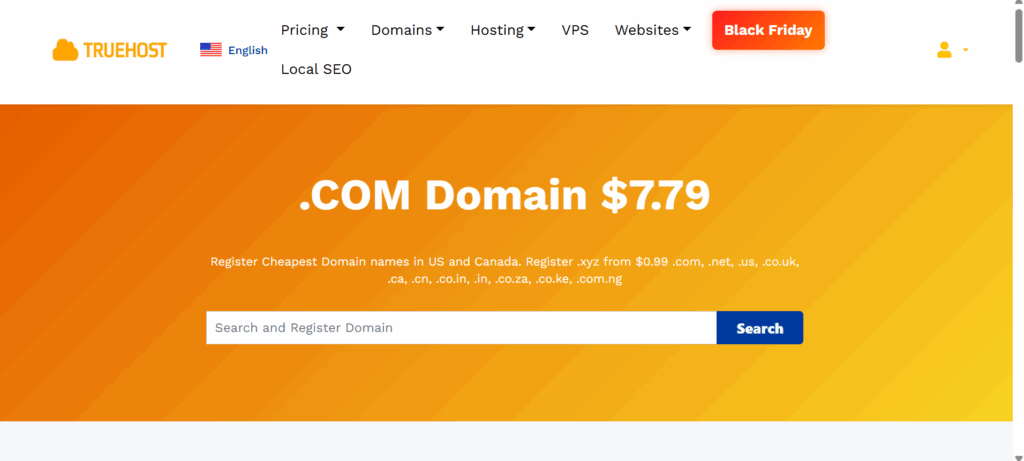
Truehost has steadily grown into a top contender in the global hosting ecosystem, especially across Africa and emerging markets.
Their focus is simple: deliver fast, secure, and reliable hosting at prices small businesses can actually afford.
Why people choose Truehost:
- Cost-effective hosting without compromise: Shared, VPS, and cloud hosting plans that match or outperform bigger brands at a fraction of the cost.
- Strong performance and uptime: Optimized servers, free SSL, and modern infrastructure that keep sites fast and available.
- Easy setup + local support: Smooth onboarding, intuitive dashboards, and customer service that feels personal, not robotic.
Pain points it solves:
Truehost solves the real struggle of small businesses that need solid hosting but don’t want the high prices or confusing systems of large international providers.
Best for: Startups, small businesses, individuals, and growing brands looking for reliable hosting on a budget.
2) GoDaddy
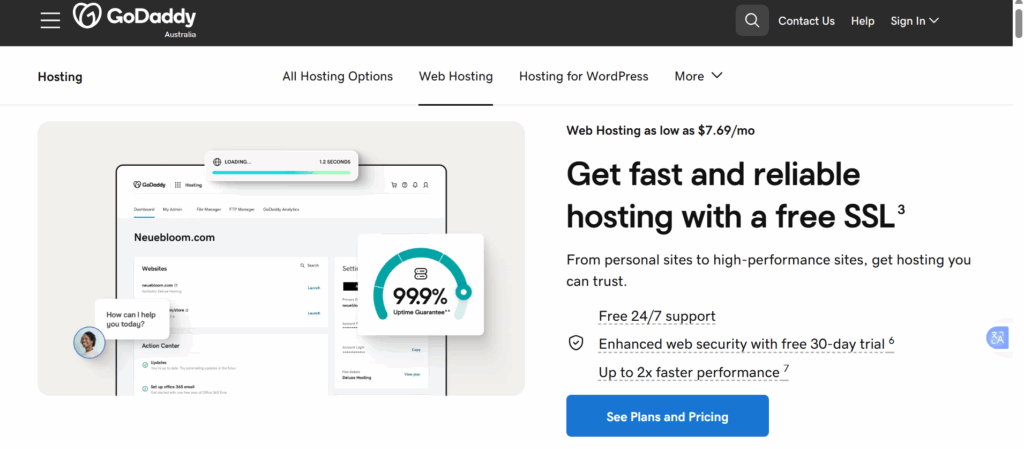
GoDaddy remains one of the world’s most recognizable hosting and domain brands.
They built their reputation on convenience and have become the go-to platform for people who want everything in one place.
Why people choose GoDaddy:
- All-in-one convenience: Domains, hosting, email, website builder, everything under one roof.
- Beginner-friendly experience: Straightforward setup that even non-technical users can handle.
- Range of plans: Options from shared hosting to VPS for businesses that want room to grow.
Pain points it solves:
GoDaddy is ideal for users who want simplicity and don’t want to manage multiple providers for different services.
Best for: Solopreneurs, small business owners, and anyone launching their first website.
3) Bluehost
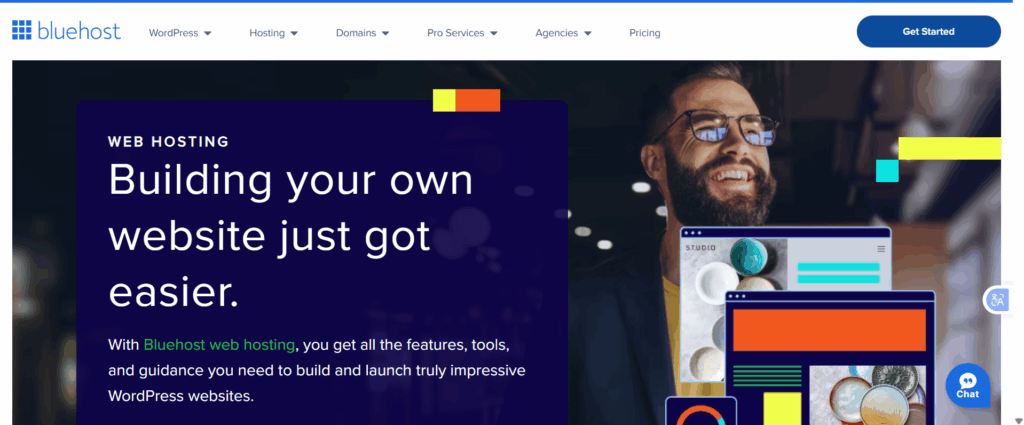
Bluehost is widely recognized for its close integration with WordPress and has long been trusted by bloggers and small businesses.
Why people choose Bluehost:
- WordPress advantage: Automatic updates, one-click installs, and optimized environments.
- Beginner-first approach: Clean dashboards make website management easier.
- Great starter extras: Free domain, SSL, and email hosting included.
Pain points it solves:
Bluehost removes the technical hurdles that often frustrate new WordPress users.
Best for: Bloggers, WordPress enthusiasts, and small business websites.
4) Hostinger
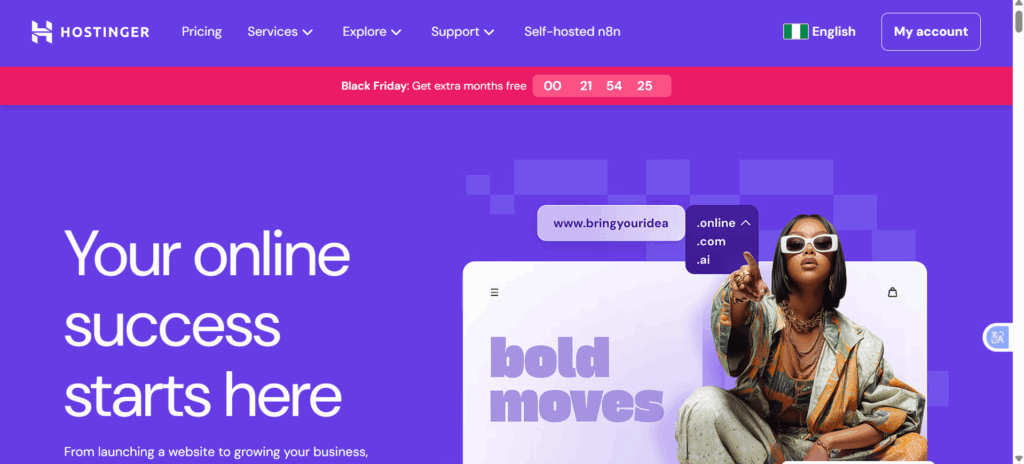
Hostinger has built its brand on speed and affordability, attracting users who want premium-grade performance without premium pricing.
Why people choose Hostinger:
- Ultra-low prices: Some of the cheapest hosting plans worldwide.
- High performance: LiteSpeed servers deliver noticeably faster loading times.
- User-friendly management: hPanel makes administration simple for beginners.
Pain points it solves:
Hostinger provides professional-level performance to people on tight budgets.
Best for: Small businesses, startups, and budget-conscious creators.
5) SiteGround
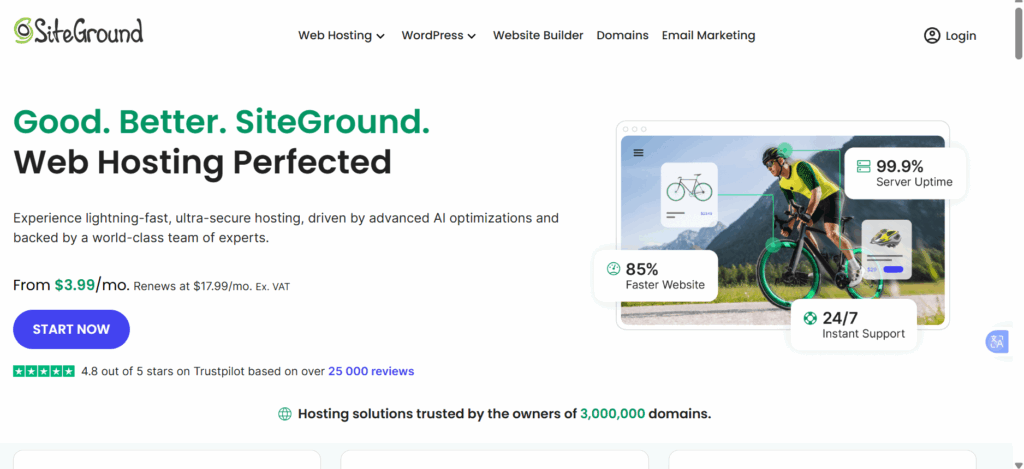
Known for speed, stability, and exceptional customer support, SiteGround has built a reputation as a premium host for users who won’t compromise on performance.
Why people choose SiteGround:
- Google Cloud infrastructure: Faster, more stable, and highly scalable.
- Advanced security and backups: Daily backups, AI anti-bot protection, and free SSL.
- High-quality support: Fast, skilled customer service available 24/7.
Pain points it solves:
Perfect for anyone tired of slow-loading sites or poor support from cheaper hosts.
Best for: Professional bloggers, agencies, and businesses prioritizing speed and reliability.
6) Cloud Hosting Giants: AWS, Google Cloud & Microsoft Azure
These platforms are built for scale. They power some of the world’s largest applications and websites, not just standard hosting plans.
Why people choose cloud giants:
- Massive scalability: Resources scale automatically with traffic spikes.
- Unmatched reliability: Redundant systems prevent downtime.
- Developer-grade tools: AI, storage, analytics, and custom configurations.
Pain points it solves:
Ideal for businesses running complex apps, unpredictable traffic, or global platforms.
Best for: Large enterprises, SaaS companies, and high-traffic applications.
7) Namecheap
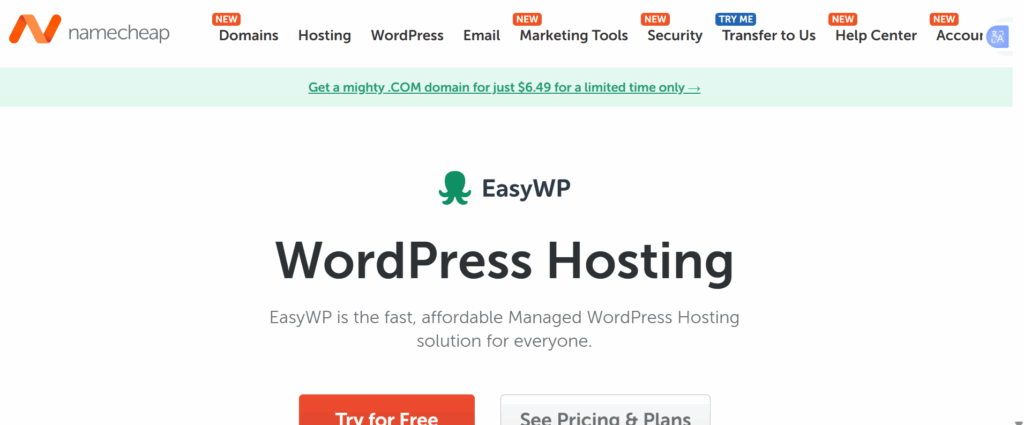
Originally known for domain services, Namecheap has grown into a capable and affordable hosting provider.
Why people choose Namecheap:
- Competitive pricing: Affordable shared, WordPress, and VPS hosting.
- Simple experience: Clean dashboard and easy setup for all skill levels.
- Good performance for the price: Strong uptime and reliable support.
Pain points it solves:
Great for users who want a low-cost host that integrates smoothly with domains.
Best for: Freelancers, small businesses, and individuals building simple websites.
8) DreamHost
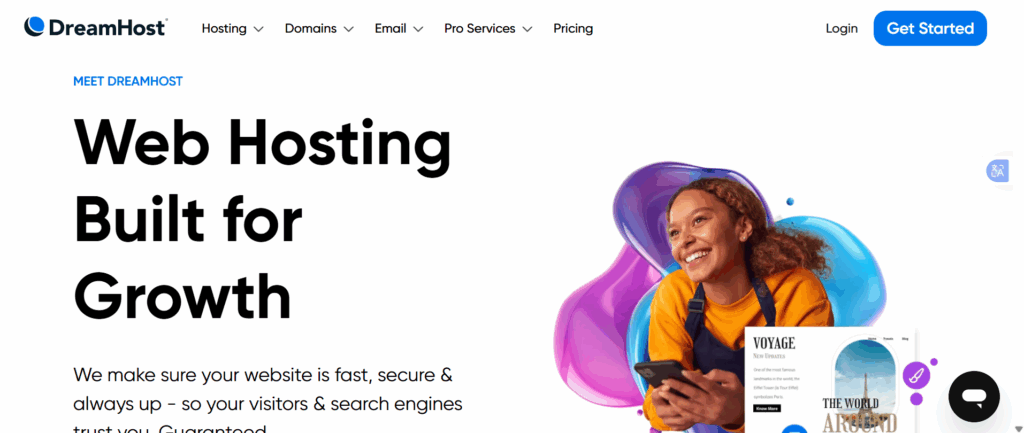
DreamHost is a long-standing hosting provider with a strong focus on transparency, privacy, and user-friendly WordPress hosting.
Why it stands out:
- Officially recommended by WordPress
- Honest, simple pricing with no upsell tricks
- Strong backup and security features
Pain points it solves:
Perfect for users who want straightforward hosting without hidden fees or complexity.
Best for: Bloggers, WordPress users, and privacy-conscious website owners.
How to Choose the Right Web Host
Choosing a web host might feel overwhelming at first; after all, it’s the foundation of your website. The right host can make your site fast, secure, and reliable, while the wrong one can lead to frustrating downtime, slow pages, and endless headaches. Here’s how to make the choice easier.
1) Identify Your Website’s Needs
Start by asking yourself: What type of website am I building?
- Static website: Simple pages that don’t change often, like a portfolio or business landing page.
- WordPress blog: A content-focused site with frequent updates.
- E-commerce store: Requires secure transactions and fast loading speeds.
- Web app or SaaS: Needs advanced resources and scalability.
Knowing your website type helps you pick a hosting plan with the right features and resources from the start.
2) Consider Traffic & Growth
Think about how many visitors your site will get, both now and in the future.
- Low, consistent traffic: Shared hosting is usually enough. It’s cost-effective and simple.
- High or spiking traffic: VPS or cloud hosting is better. These plans give you extra resources so your site doesn’t crash when traffic surges.
- Future growth: Even if you’re starting small, consider a host that allows easy upgrades without downtime or complicated migrations.
3) Support & Location
Reliable support can save you hours of frustration. Ask yourself:
- Do you want local support, like a Nigerian hosting provider that understands your market?
- Or is global support okay, with international cloud providers offering 24/7 online help?
Also, check:
- Support channels (chat, phone, email)
- Response times
- Knowledge base quality
A responsive support team can make all the difference, especially if you’re new to hosting.
Quick Practical Tips
- Shared hosting: Ideal for small websites, blogs, or limited budgets.
- VPS or cloud hosting: Best for growing businesses, apps, or websites expecting traffic spikes.
- Check uptime guarantees: Look for at least 99.9% uptime.
- Support hours matter: Make sure help is available when you need it.
Why Choose Truehost NG?
Not every website needs a huge global host. For many businesses, blogs, and startups in Nigeria and nearby regions, a local host can be a smarter choice.
Truehost NG offers simplicity, affordability, and reliable performance. With easier local payments and faster loading for nearby visitors, Truehost focuses on what matters most for your site.
i) Local focus & regional convenience
Truehost NG is customised for Nigeria and nearby countries. Local payments are easy, and visitors in your region often enjoy faster site speeds.
ii) Simplicity & affordability
For small businesses, blogs, or personal projects, you don’t need huge cloud infrastructure. Truehost provides exactly what you need at friendly prices.
iii) Personalized support
Smaller hosts like Truehost can give more attentive, personal support. You get faster help that understands your local context.
iv) Less complexity
Big hosts can be overwhelming with too many options. Truehost keeps things simple and easy to use.
Conclusion
Choosing the right web host can make or break your website. While global giants dominate the headlines, local providers like Truehost NG offer unique advantages, simplicity, affordability, faster regional performance, and personal support tailored to your needs.
If you’re starting a small business, blog, or local startup, Truehost gives you everything you need to get online quickly and reliably, without paying for features you won’t use.
Your website deserves a host that works with you, not against you. With Truehost NG, you get a practical, dependable foundation to grow your online presence with confidence.