 Domain NamesFind and register your ideal domain name instantly.
 Web HostingEasy-to-use hosting powered by cPanel — ideal for managing websites in Nigeria.
 Windows HostingRun .NET apps with Windows-optimized hosting
 Affiliate ProgramMake money promoting our services
 Reseller HostingMake money by reselling our hosting products under your own brand
 .COM Domains
 All DomainsExplore all supported tld domains in Nigeria
 WhoisFind out who owns any domain, as well as verify your registration details
 VPS Hosting
 Dedicated ServersReimagine your site speed with your own complete server
 AI Website BuilderDesign your site with drag-and-drop tools
 Online Store BuilderStart your online shop without code
 Support PortalFind answers or get expert help
 Contact UsReach our team via chat or email
 BlogRead our extensive guides on web hosting and more
Tired of the 9-to-5 grind and dreaming of financial freedom? You are not alone. In Nigeria today, the rising cost of living, coupled with unpredictable job security, has made passive income more than a luxury, it is becoming a necessity.
Imagine waking up to credit alerts from income streams you set up months ago, while others are stuck in morning traffic. That is the power of passive income, it frees your time and gives you options.
According to Statista, the average monthly income in Nigeria is around ₦65,000. Now imagine doubling or even tripling, that without clocking in every morning.
Today, we are going to explore 5 powerful passive income sources that could one day replace your salary or at least give you the financial breathing room you deserve.
1) Affiliate Marketing
Affiliate marketing is one of the most popular forms of passive income in Nigeria and for good reason at that. All you need is an audience and products to recommend.
You promote a company’s product or service, and whenever someone buys through your unique link, you earn a commission. Simple.
In Nigeria, popular affiliate programs include Jumia, Konga, and even international ones like Amazon Associates. But here is where it gets exciting, at Truehost we have our own affiliate program, allowing you to earn by promoting our web hosting, domains, and cloud services.
This is especially powerful because every business in Nigeria today needs a website. When someone signs up for hosting or buys a domain through your link, you get paid. That means you are not just selling random products, you are helping businesses grow while securing steady passive income.
Starting is easier than most people think. All you need is a free platform to share your links such as a WhatsApp group, TikTok account, Instagram page, or even a blog.
For example, if you run a tech blog, you could write about “How to Start a Website in Nigeria” and include your Truehost affiliate link. Every reader who signs up becomes a commission in your pocket.
👉 Want to learn how to join and start earning? Check out our full guide on the Truehost Affiliate Program.

2) Creating & Selling Digital Products
One of the most rewarding ways to build passive income is by selling digital products. Unlike physical goods, which require inventory and shipping, digital products are created once and sold indefinitely with zero extra cost.
This makes them highly scalable and cost-efficient, especially if you are looking to tap into global markets without heavy startup capital.
Digital products can take many forms. Think about it, have you ever purchased an eBook, template, or online course? Those creators likely put in the initial effort once but continue to earn daily.
If you are a teacher, you might record lessons and sell them as an online course. Writers can package knowledge into eBooks and publish them on Selar, Amazon Kindle Direct Publishing, or Gumroad. Graphic designers can create resume templates, Canva design packs, or even business card templates. Once uploaded, these products can be sold hundreds or thousands of times with no added effort.
The key is to identify problems people face and package your solution into a digital product. For instance, a simple Guide to Starting a Food Business in Lagos could sell hundreds of copies at just ₦2,000 each.
If you are worried about tech skills, don’t be. Platforms like Teachable or Selar handle everything. Be it payments, product hosting, and delivery. Your only job is creating something valuable. And if writing an eBook feels daunting, you could design templates, video lessons, or even checklists.
Of course, promotion is still important. Combine this with affiliate marketing, blogging, or social media campaigns to maximize reach. Over time, you can expand your product catalog and watch your passive income stack up.

3) Blogging
Blogging remains one of the most reliable sources of passive income when done right. It might take effort at the beginning with things like writing, optimizing for SEO, and building an audience, but once your blog gains traction, it becomes a money-making machine that works 24/7.
While many people assume blogs are outdated, the truth is Nigerians are still reading and searching online every single day. Whether it is tips on starting a business, celebrity news, or financial advice, blogs continue to attract audiences. And with audiences come monetization opportunities.
Here is how it works: you create valuable posts around profitable niches like finance, tech, or lifestyle. Over time, these posts attract readers from Google. Once traffic builds, you can monetize in multiple ways:
- Running ads via platforms like Google AdSense.
- Adding affiliate links to recommended tools or services.
For example, a blog post on “Best Business Ideas in Nigeria” could attract thousands of monthly readers. Within that post, you could recommend hosting providers, online courses, or digital tools each click could lead to affiliate earnings. Meanwhile, AdSense displays relevant ads and pays you per impression or click.
The beauty of blogging is scalability. One blog post can earn for years. Some Nigerian bloggers even make hundreds of thousands monthly just from ads and affiliate links.
To make it sustainable, consistency is key. Posting regularly, optimizing with local SEO, and updating old posts keeps your content relevant. Pairing blogging with email marketing further ensures you can keep readers engaged and buying.
While it is not a get-rich-quick method, blogging has long-term benefits. And the best part? Once the systems are in place, your blog works for you, even when you are not online.

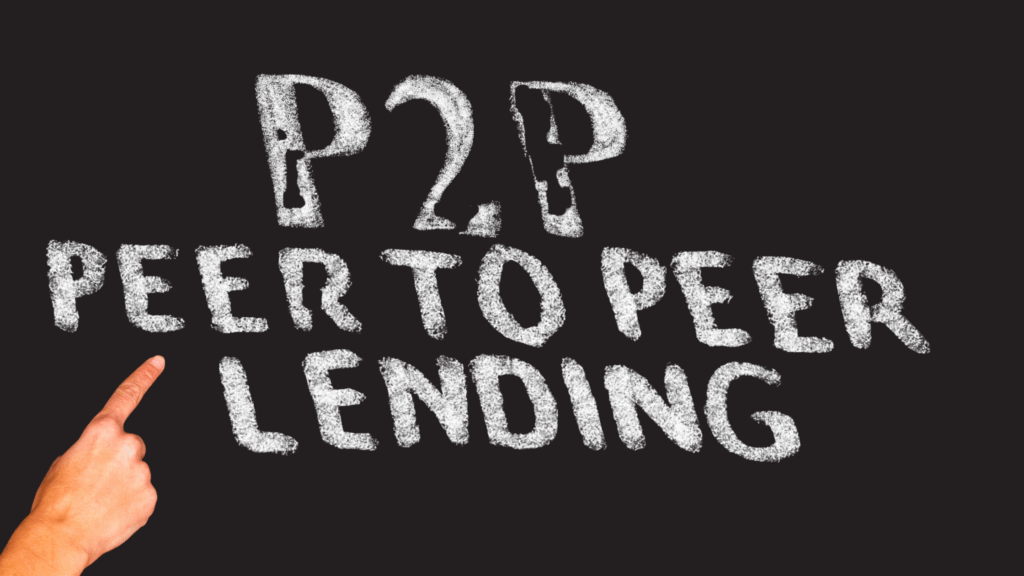
4) Peer-to-Peer (P2P) Lending & Co-ops
Another increasingly popular passive income option in Nigeria is peer-to-peer (P2P) lending. This is where you lend money to either people or small businesses through digital platforms and earn interest over time. Think of it as playing the role of a digital banker.
Platforms like Kiakia, Carbon, and FairMoney have made it simple and secure to participate. Instead of leaving money idle in your bank account, you can earn higher interest rates by funding loans. Many of these platforms offer returns of 10-20% annually, far better than traditional savings accounts.
Another grassroots version is Esusu which are traditional rotating savings and credit associations. These cooperative groups remain popular in Nigerian communities, allowing members to contribute and take turns accessing pooled funds. It is simple, trusted, and still effective even today.
The attraction of P2P lending lies in automation. Once you have invested your capital, the platform manages repayment collection and credit scoring. You simply watch your returns grow. For example, if you invest ₦200,000 at 15% annual interest, that is an extra ₦30,000 without lifting a finger.
Of course, the risk exists. Borrowers might default, and platforms could face challenges. That is why diversification is crucial. Spread your investments across different borrowers or platforms to minimize risk.
What makes P2P lending appealing is its accessibility. With as little as ₦10,000, you can start earning. And when compounded over time, this model can grow into a significant passive income stream.
5) Dividend Stocks & Mutual Funds
If you are looking for stability and long-term wealth, dividend stocks and mutual funds remain classic sources of passive income. In simple terms, dividend stocks are shares of companies that pay you a portion of their profits regularly. This means you can sit back and earn returns just by holding shares.
When you buy shares in companies like MTN, Dangote, or Zenith Bank, you are not just a shareholder, you are entitled to dividends. These are regular payments made from the company’s profits, distributed to investors. For example, Zenith Bank paid over ₦3.50 per share in dividends in 2023.
Mutual funds work slightly differently. Instead of picking individual stocks, you invest in a professionally managed fund that pools money from multiple investors. These funds often focus on bonds, equities, or a mix, distributing returns back to participants.
The best part? It is truly hands-off. Once you invest, you simply wait for dividends or fund payouts to roll in. Platforms like Bamboo, Chaka, and Risevest now make it easier for Nigerians to access both local and international markets.
Of course, the secret to success is patience. Dividend stocks won’t make you rich overnight. But over years, they create a stable foundation of recurring income. Pair that with compounding which is reinvesting dividends into more shares, and your returns can grow exponentially.

Your Next Step
The journey to financial freedom starts with a single step. Pick one of these passive income sources and commit to it for the next 90 days. Whether it is launching your first blog, writing a short eBook, or signing up for the Truehost Affiliate Program, the key is action.
Don’t wait until someday. The earlier you start, the sooner you will enjoy results. And if you are ready to grow online income faster, explore Truehost for tools like affordable hosting, domains, and cloud services designed for entrepreneurs like you.
Your salary doesn’t have to define your lifestyle. With passive income, you can build a future where money works for you. So, which passive income idea resonates most with you, and what is stopping you from starting it today? Drop your thoughts below, we learn faster together!