 Domain NamesFind and register your ideal domain name instantly.
 Web HostingEasy-to-use hosting powered by cPanel — ideal for managing websites in Nigeria.
 Windows HostingRun .NET apps with Windows-optimized hosting
 Affiliate ProgramMake money promoting our services
 Reseller HostingMake money by reselling our hosting products under your own brand
 .COM Domains
 All DomainsExplore all supported tld domains in Nigeria
 WhoisFind out who owns any domain, as well as verify your registration details
 VPS Hosting in Nigeria
 Dedicated ServersReimagine your site speed with your own complete server
 AI Website BuilderDesign your site with drag-and-drop tools
 Online Store BuilderStart your online shop without code
 Support PortalFind answers or get expert help
 Contact UsReach our team via chat or email
 BlogRead our extensive guides on web hosting and more
The logistics industry is experiencing unprecedented growth across Africa. According to the IMF, Sub-Saharan Africa’s growth is projected to hold at around 4.1% in 2025, with modest improvement expected in 2026.
The African Continental Free Trade Area (AfCFTA) is projected to increase intra-African trade by 109% by 2035, while demand for intra-African freight could see a 28% increase by 2030.
For entrepreneurs looking to enter this booming sector, 2026 presents a golden opportunity.
In Nigeria specifically, the courier and dispatch sector has transformed into what industry operators describe as a goldmine, with a massive surge in demand for affordable delivery from both individuals and corporate clients.
This comprehensive guide will walk you through everything you need to know on how to start a logistics company in 2026. Let us get started.
Step 1: Choose Your Logistics Niche
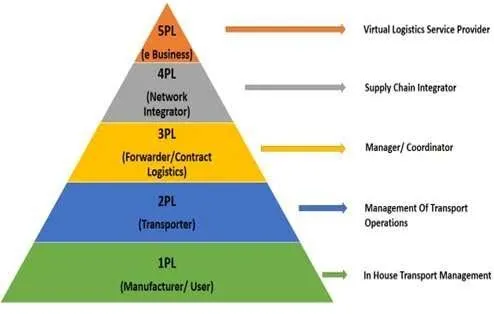
The first and most critical decision you will make is choosing what type of logistics services you want to offer. Trying to do everything at once will only confuse you and waste valuable resources.
Common Logistics Niches in Nigeria include:
- Bike Dispatch (Last-Mile Delivery): This is the easiest way to start, especially in busy cities like Lagos, Abuja, and Port Harcourt. You use motorcycles to deliver items within the same city quickly. This works well for food vendors, small businesses, and online sellers. Last-mile delivery services handle the final leg of package delivery from distribution hubs to doorsteps.
- Nationwide Delivery: Moving goods from one state to another requires more capital, better planning, and sometimes larger vehicles like vans. It is more demanding but can bring higher income.
- Corporate Logistics: Focus on serving companies instead of individuals. You sign contracts and handle regular deliveries for businesses, providing steady income and reducing daily customer acquisition stress.
- E-commerce Fulfillment: Store, package, and deliver products for online sellers. Many Instagram, WhatsApp, and e-commerce vendors need this service. With online shopping growing fast in Nigeria, this is a strong opportunity.
- Freight Forwarding: Handle import and export cargo, customs documentation, port operations, and international logistics coordination.
- 3PL (Third-Party Logistics): Provide storage, fulfillment, handling, and value-added services to brands that do not want to run their own warehouses.
Pro Tip: Start narrow. The more specific your niche, the better you can tailor your operations, packaging, and service delivery. You can always expand later.
Step 2: Conduct Market Research
Before you invest a single naira, understand what people in your area actually need. This helps you avoid guessing and making costly mistakes.
What to Research:
- Demand patterns: What kind of delivery services are in high demand in your area? Lagos has high demand for bike dispatch due to traffic and online businesses. Smaller cities may have different needs.
- Competitor analysis: Study other logistics businesses around you. Check how much they charge, how fast they deliver, and what customers complain about. Your goal is to find gaps you can fill better.
- Target customers: Decide from the beginning whether you will focus on vendors, small businesses, corporate clients, or everyday individuals.
- Pricing benchmarks: Know what the market is willing to pay. You can charge per kilometer, per delivery, or offer fixed prices.
Step 3: Create a Business Plan
You do not need a 50-page document, but you do need a clear roadmap.
A business plan turns a broad logistics concept into a calculated operational model. It forces you to define your exact service area and target client base before purchasing expensive assets.
Your Business Plan Should Include:
- Startup costs: List everything: vehicle purchase or rental, registration fees, fuel, rider salaries, branding, insurance, office space, and working capital.
- Pricing strategy: Will you charge per kilometer, per delivery, or offer fixed rates? Pick something simple and easy for customers to understand.
- Revenue projections: Estimate how much you can make weekly or monthly. Be realistic.
- Service area: Define exactly where you will operate.
- Client focus: Will you focus on B2B (business-to-business) or B2C (business-to-consumer) deliveries? B2B routes often involve regular, predictable stops, while B2C routes require navigating residential neighborhoods and managing evening or weekend delivery windows.
- Financial projections: Account for high variable costs like fuel, vehicle maintenance, and seasonal volume spikes.
Step 4: Register Your Business and Obtain Licenses
This is one of the most critical steps. To run a serious logistics business in Nigeria, you need proper registration and licensing. Many companies will not work with an unregistered business.
A) Corporate Affairs Commission (CAC) Registration
Register your business with the Corporate Affairs Commission, the official body responsible for business registration in Nigeria. The process is now mostly online and straightforward.
Requirements:
- Company name reservation and approval
- Certificate of Incorporation
- Memorandum and Articles of Association (must include logistics, freight forwarding, or delivery activities)
Your company should be registered as a Limited Liability Company to qualify for freight forwarding operations.
B) Tax Identification Number (TIN)
Obtain a TIN from the Federal Inland Revenue Service (FIRS). This is required for bank accounts, customs registration, and industry licensing.
C) Industry-Specific Licenses
Depending on your niche, you may need additional licenses:
- CRFFN Registration: If you are doing freight forwarding, register with the Council for the Regulation of Freight Forwarding in Nigeria. This is mandatory to operate at Nigerian ports.
- NIPOST Courier License: For last-mile delivery and courier services, you need an operating license from NIPOST’s Courier and Logistics Regulatory Department.
- NSC Registration: For port-based cargo consolidation, register with the Nigerian Shippers’ Council.
- Nigeria Customs Service License: If you will clear goods, register with NCS.
Now, the estimated registration costs in 2026 should look like:
- CAC registration: ₦50,000 – ₦150,000+
- CRFFN registration: ₦70,000 – ₦150,000 yearly
- Customs license: ₦200,000+ plus bank bond
- Courier license: ₦250,000 – ₦10M+ depending on category
Industry Insight: According to logistics operators, investors must ensure proper documentation, including CAC registration, branding, operating permits, and early working capital before commencing operations.
Step 5: Calculate Your Startup Costs
Understanding your costs is essential for survival. Costs vary significantly depending on your niche and scale.
1) For Small-Scale Bike Dispatch:
- Initial capital: Between ₦500,000 and ₦900,000, depending on the type of motorcycle
- Alternative: Fairly used motorcycles costing between ₦350,000 and ₦500,000
- For a modest setup: Operators may spend from hundreds of thousands to a few million naira
2) For Small-Scale Operators:
- Estimated startup costs range between ₦500,000 and ₦1.5 million
3) For Medium-Scale Logistics:
- A logistics distribution company typically requires tens of millions of Naira for ISO-certified warehouse leasing, heavy transport vehicle acquisition, and working capital
- Reserve at least 6 to 12 months of operating capital to cushion against currency fluctuations
Expenses to Budget For:
- Vehicle purchase/rental and maintenance
- Fuel and insurance
- Rider and staff salaries
- Business registration and licensing fees
- Branding (motorcycle branding, uniforms, delivery boxes)
- Office space rental
- Technology (dispatch software, tracking systems)
- Marketing and advertising
- Working capital for the first 3-6 months
Step 6: Build Your Fleet and Operations
a) Vehicle Acquisition
Decide whether to buy or lease vehicles. For bike dispatch, you can start with one motorcycle and gradually expand as you gain more contracts.
b) Branding
Brand your motorcycles, vehicles, and uniforms. This builds trust and visibility.
According to industry experts, branding of motorcycles and provision of delivery boxes and weather-proof materials are essential before commencing operations.
c) Technology Stack
Digitalization and AI will define competitive advantage in 2026 logistics. Consider investing in:
- Dispatch software for route optimization
- Tracking systems for real-time delivery updates
- Inventory management systems if doing warehousing
- Fleet management tools
d) Hiring
Employ trustworthy riders who can deliver value and generate good daily returns. Conduct thorough background checks on guarantors provided by riders.
Step 7: Establish Your Professional Brand Identity
In the logistics business, trust is everything. Clients need to know you are legitimate, reliable, and professional.
One of the simplest yet most powerful ways to establish this trust is through a professional business email.
When a potential client receives an email from [email protected], it signals that you are still testing the waters. But an email like [email protected] sends a clear message: this business is real, organized, and ready.
In Nigeria, first impressions are a big deal, people judge fast. A professional email is no longer optional; it is part of doing business the right way.
By 2026, online scams are rising fast. Nigerian businesses are losing money to fake invoices, phishing emails, and hacked accounts. A free email account was never built to protect a business.
A business email gives you:
- Better security and control
- Protection against scams and phishing
- A clean way to separate work from personal life
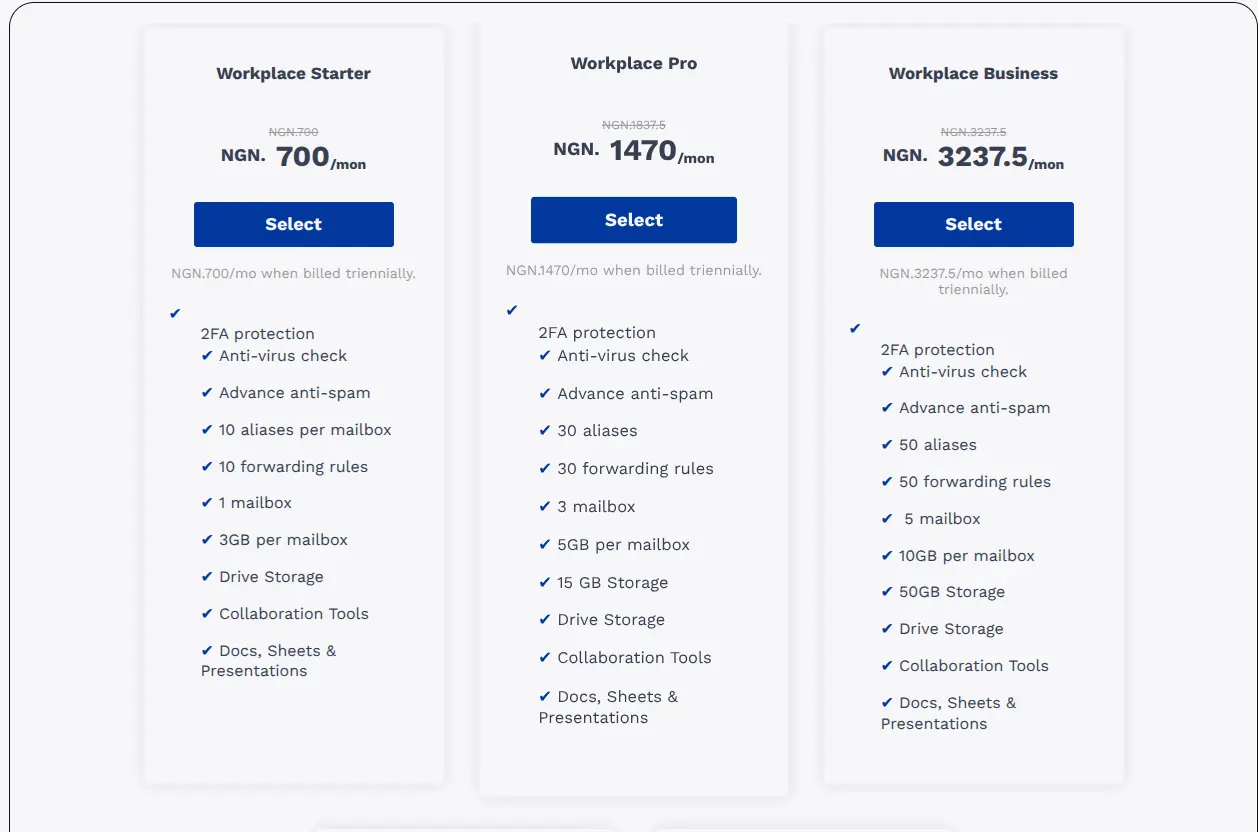
The best part is that it is not even expensive. Truehost offers professional business email hosting built specifically for Nigerian businesses.
Plans available:
- Workplace Starter: 1 mailbox
- Workplace Pro: ₦1,470/month – 3 mailboxes, 15GB storage
- Workplace Business: ₦3,237.5/month – 5 mailboxes, 50GB storage
All plans include:
- 2FA protection
- Anti-virus and advanced anti-spam
- Drive storage and collaboration tools
- Docs, Sheets & Presentations
Step 8: Market Your Logistics Business
Now that your business is set up and your professional brand is in place, it is time to attract customers.
Some marketing strategies you can use include:
- Leverage your professional email: Every email you send with
@yourlogistics.com.ngis a marketing touchpoint that builds trust. - Network with businesses: Reach out to e-commerce sellers, restaurants, retailers, and manufacturers who need regular delivery services.
- Social media presence: Many Instagram and WhatsApp vendors need logistics services. Make yourself visible.
- Referral programs: Encourage satisfied customers to refer others.
- Online presence: Consider a website with your domain name to showcase your services.
- Partnerships: Partner with online marketplaces and e-commerce platforms.
Step 9: Manage and Scale Your Operations
Once your business is running, focus on efficiency and growth.
Success factors to focus on:
- Route density: This is the key driver of profitability. The more deliveries you can pack into a route, the more profitable each trip becomes.
- Customer service: Reliability builds repeat business. Deliver on time, communicate clearly, and handle issues professionally.
- Financial management: Track your costs per mile and per stop to ensure profitable pricing.
- Gradual expansion: A successful dispatch business can gradually expand from one motorcycle to multiple bikes.
- Stay compliant: Renew your licenses annually and maintain proper documentation.
Start Your Logistics Company Today!
Starting a logistics business in Nigeria in 2026 is a tremendous opportunity.
The demand is growing, the market is expanding, and with the right approach, you can build a profitable and sustainable business.
Your action plan:
- Choose your niche
- Research your market
- Write a business plan
- Register your business
- Calculate your costs
- Build your fleet
- Establish your professional brand
- Market your services
- Manage and scale
Remember: Trust is your most valuable asset.
A professional email address like [email protected] signals that you are serious, credible, and ready for business.
Truehost makes it affordable and easy to set up, with local servers, Naira pricing, and support that understands Nigerian businesses.