 Domain NamesFind and register your ideal domain name instantly.
 Web HostingEasy-to-use hosting powered by cPanel — ideal for managing websites in Nigeria.
 Windows HostingRun .NET apps with Windows-optimized hosting
 Affiliate ProgramMake money promoting our services
 Reseller HostingMake money by reselling our hosting products under your own brand
 .COM Domains
 All DomainsExplore all supported tld domains in Nigeria
 WhoisFind out who owns any domain, as well as verify your registration details
 VPS Hosting in Nigeria
 Dedicated ServersReimagine your site speed with your own complete server
 AI Website BuilderDesign your site with drag-and-drop tools
 Online Store BuilderStart your online shop without code
 Support PortalFind answers or get expert help
 Contact UsReach our team via chat or email
 BlogRead our extensive guides on web hosting and more
You’ve probably heard of web hosting, maybe even considered selling it. But it always seemed complicated, like you’d need a degree in computer science to get started.
Here’s the truth: You don’t need to own expensive servers or be a technical expert. You just need to partner with the right company and focus on your customers.
Think about it, everyone needs a website. And every website needs a reliable place to live online. That’s where you come in.
You can provide that essential service, build your own brand, and create a steady stream of income.
This guide is for you if you’re ready to turn that idea into reality. We’ll walk through everything in clear steps. You’ll learn how to get started, what to sell, and how to build a hosting business that lasts.
What Does a Web Hosting Business Entail?
In simple terms, a website is like a house. The domain name is the street address. Web hosting is the plot of land where the house sits.
As a web hosting business, you are, in essence, a digital landlord. You buy or rent a powerful server in a data center.
You then divide that land into smaller plots and rent them out to people who want to build their websites there.

Your job is to:
- Provide the Space: Ensure your servers are running 24/7.
- Keep it Secure: Protect your clients’ websites from hackers and viruses.
- Offer Support: Help your clients when they have issues, like a website going down or an email not working.
- Handle the Billing: Manage your clients’ subscriptions and payments.
You’re selling peace of mind. Your customers don’t want to worry about servers; they just want their website to work. You handle the tech, so they can run their business.
What Would You Be Selling?
You’re not just selling one thing. You’re offering services tailored to different needs and budgets.
a) Shared Hosting
This is your most common starter product. Many websites run on a single server, sharing resources such as CPU and RAM.
It’s affordable and perfect for small blogs, business sites, and portfolios. This is where most people start.
b) Reseller Hosting
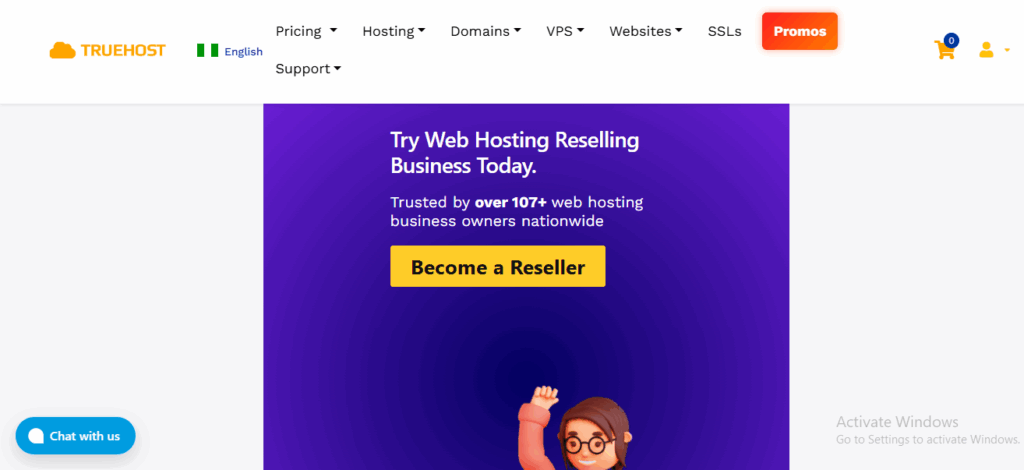
This is the secret weapon for starting your own brand without huge costs.
Here, you buy a large chunk of resources from a bigger hosting company like Truehost and then sell smaller hosting packages to your own clients under your own brand name.
They never know you’re using a bigger company’s infrastructure. It’s the fastest way to start.
c) Virtual Private Servers (VPS)
This is like a townhouse. You still share a physical server, but you get your own completely private section with guaranteed resources.
It’s for websites that have outgrown shared hosting and need more power and control.
d) Dedicated Servers
This is buying the entire plot of land and the house. You rent an entire physical server for one client.
It’s the most powerful, secure, and expensive option, suited for large e-commerce sites or applications with massive traffic.
e) Domain Names
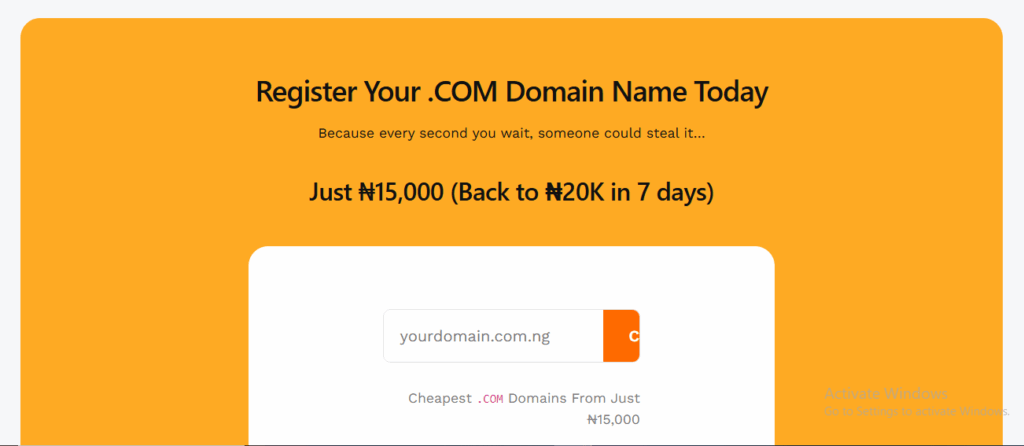
Almost always, you’ll also sell domain names. It’s a natural add-on. When someone buys hosting from you to build a site, they’ll also need a domain name.
For someone starting in 2026, the most practical and low-risk path is often beginning with a Reseller Hosting plan. It lets you test the waters with a recognizable brand of your own, without the massive upfront cost of buying servers.
Step-by-Step Guide on How to Start a Web Hosting Business
Here are 10 steps to get you from idea to your first customer.
Step 1: Get Clear on Your Niche
Trying to host everyone is a battle with giants. Instead, focus. Will you host local small businesses in your city? Wedding photographers? Nigerian e-commerce startups? Bloggers in a specific field?
Knowing your niche dictates your marketing, your support style, and even your pricing.
Step 2: Choose Your Business Model
This is your first big decision. You essentially have two paths:
The Hard Way: Buy your own servers, rent rack space in a data center, hire system administrators. This requires significant capital and expertise.
The Smart Way: Use a Reseller Hosting program from a reliable provider like Truehost. This is how 95% of new hosting companies start.
You get all the tools to run your own branded business while the provider handles the expensive server hardware and core maintenance. It’s the fastest way to validate your business idea.
Step 3: Select Your Hosting Provider Partner
If you choose the reseller path, your provider is your most important partner. Don’t just pick the cheapest. Look for:
- Uptime Guarantee: 99.9% or higher.
- Local Support: 24/7 support that understands your market.
- White-Label Features: The ability to fully brand everything as your own.
- Scalable Plans: Options to grow your resources as your client base grows.
- Good Reputation: Read reviews and maybe test their support with a question.
Step 4: Build Your Professional Brand
Choose a business name that sounds trustworthy. Get a professional logo and a clean, simple website that explains your services, shows your prices, and has a way for people to contact you.
You can build a professional website with our AI website builder in minutes without any knowledge of code.
Step 5: Set Up Your Technical Infrastructure
With your reseller plan, this is easy. You’ll log into your Web Host Manager (WHM) and:
- Set up your private nameservers (e.g., ns1.yourcompany.com).
- Create your own hosting packages (Starter, Business, Pro) with specific disk space and feature limits.
- Configure your billing and support systems.
Step 6: Determine Your Pricing Strategy

Don’t just be the cheapest. Look at what others in your niche charge. Your price should reflect the value of your support and your brand.
A slightly higher price can show better quality. Always offer annual payment options; they improve your cash flow and reduce client turnover.
Step 7: Create a Simple Marketing Plan
You don’t need a complex plan. Start with one or two channels.
Content: Write simple blog posts for your niche. For example, “5 Things Every Lagos Restaurant Website Needs.”
In addition, network by joining Facebook groups or offline meetups for your target customers.
Also, take advantage of referrals: Offer your existing clients a free month for every successful referral.
Step 8: Set Up Billing and Customer Management
Use a tool like WHMCS, Blesta, or a streamlined invoicing system to automate billing, send renewal reminders, and manage support tickets.
This saves you countless hours and makes you look professional.
Step 9: Prepare Your Support System
Decide how you’ll support clients. Will you use email? A ticket system on your website? Be responsive and helpful. Your support is your #1 marketing tool.
Step 10: Launch, Learn, and Improve
Go live. Onboard your first few clients, maybe offer a special launch discount. You’ll make mistakes.
A client will have a problem you haven’t seen before. That’s normal. The key is to learn from each issue, update your processes, and continually look for ways to better serve your clients.
Reseller Hosting With Truehost
The reseller model is the most recommended path. In Nigeria, one established option is Truehost’s Reseller Hosting program, which is trusted by over 107 web hosting businesses nationwide.
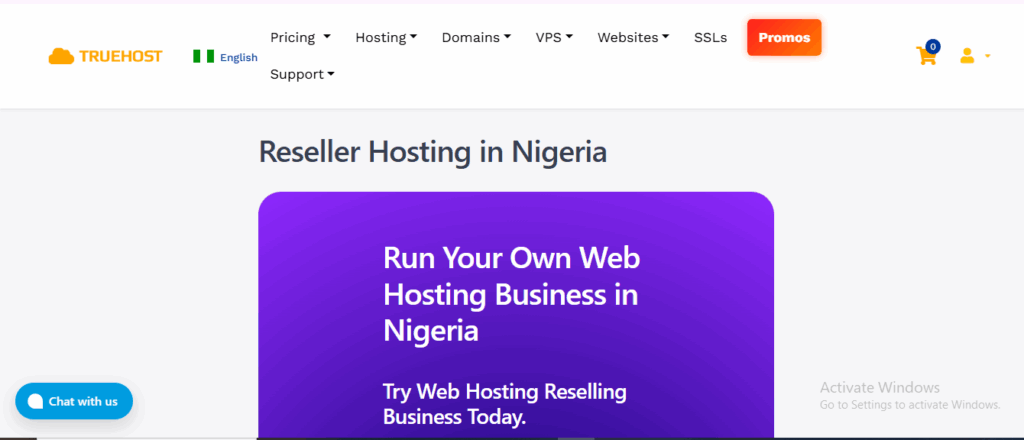
It’s a clear example of the features you should look for in a provider.
What Makes a Good Reseller Program?
A program like this works because it removes the major barriers:
- Zero Overhead: You pay one fixed monthly fee. Everything you charge your clients above that cost is your profit.
- Full White-Label: Your clients see only your brand, your logo, and your invoices. The backend provider is invisible.
- Technical Support Handled: The provider’s team manages server security, updates, and hardware issues. You focus on customer service and sales.
- Domain Reselling Included: You can also sell domain names, adding another revenue stream from the same clients.
- Complete Control: You get WHM access to create custom plans, monitor client usage, and manage everything.
This model is ideal if you are:
- A web designer or freelancer wanting to offer hosting for your sites.
- A developer or agency looking for reliable hosting to provide to clients.
- An entrepreneur aiming to build a standalone hosting brand.
- Someone already in tech, looking for a scalable business model
Truehost offers you:
- Bronze Reseller: ~₦5,400/month. Good for testing, with resources for about 20 client accounts.
- Silver Reseller: ~₦34,982.5/month. A solid growth plan for about 50 clients.
- Gold & Platinum Reseller: For established businesses, scaling up to hundreds of clients.
Why wait?
Just: Pick a plan → Set up your branded nameservers → Create your packages → Start selling.
Why a Web Hosting Business is a Great Idea
Recurring Revenue: Unlike selling a product once, hosting is a monthly or yearly subscription. It builds a predictable, stable income.
High Demand: The need for websites isn’t slowing down. More people are starting online businesses every day.
Scalability: You can start small from your bedroom. As you grow, you can upgrade your reseller plan or move to larger servers. The business grows with you.
Low Barrier to Entry: With reseller hosting, you can start with a modest investment. You’re not buying hardware or renting a physical shop.
You Build an Asset: You’re building a customer list and a monthly income stream. This business itself has value if you ever decide to sell it.
Challenges You’ll Likely Face in the Web Hosting Business
It’s not all easy. Knowing the hurdles helps you jump over them.
- The Race to the Bottom Pricing: There will always be someone offering hosting for NGN 500/month. Competing on price is a losing game. Your weapon is better service.
- Technical Issues Will Happen: Even with the best provider, sometimes things go wrong. A server might have a hiccup. How you communicate and fix the problem is what your clients will remember.
- Difficult Customers: You’ll get clients who expect you to build their entire website for them because they bought hosting. You’ll need patience and clear communication about what your service includes.
- The 2 AM Panic: A client’s online store goes down during a sales promo. Are you prepared to help, or do you have a reliable provider like Truehost handling that backend?
- Marketing Burnout: It can feel like you’re always shouting into the void. Consistency in marketing, even in small ways, beats sporadic big efforts.
How to Level Up Through the Challenges
Against Cheap Competitors
Don’t mention price first. Talk about reliability, your fast local support, and your understanding of your niche’s needs. Sell the solution, not the server space.
However, do not keep hidden fees from clients. This can damage your reputation and make customers avoid you due to transparency issues.
For Technical Issues
Have a communication template ready. “We are aware of an issue affecting some sites. Our team is on it. We will update you within 30 minutes.” Transparency builds trust, even during problems.
Handling Difficult Clients
Create clear Terms of Service and Acceptable Use Policy documents. Politely refer to them. Offer to fix hosting-related issues for free, but have a rate card for website development work.
Preventing 2 AM Panic
This is why your choice of provider is critical. A provider with 24/7 support and reliable infrastructure means you sleep while they handle the server alerts.
Avoiding Burnout
Automate what you can: billing, welcome emails. Set specific work hours for support. Remember, you’re building a business for the long term, not sprinting a short race.
Don’t Make These Mistakes When Starting
- Skipping the Niche: Being a general hosting company is your first and biggest mistake. Get specific.
- Cheaping Out on Your Provider: The cheapest reseller host will give you the cheapest service. Your clients will suffer, your reputation will tank, and you’ll quit in frustration. Invest in a reliable partner.
- Ignoring Your Own Website: If your own site is slow or looks unprofessional, why would anyone trust you with their website?
- Making Support an Afterthought: Your support is your primary product. Be prompt, be polite, be helpful. It’s your main differentiator.
- Not Planning for Taxes and Legalities: Register your business properly. Keep clean financial records. Consult a small business accountant. Don’t let this blindside you later.
Conclusion
Starting a hosting business in 2026 is less about great technical skill and more about smart planning; choosing your niche, partnering with a reliable provider, and focusing on great customer service.
The reseller model gives you a branded business without the massive upfront costs. The demand is there; your success comes from execution.
Join over 107+ entrepreneurs who launched with Truehost Reseller Hosting. Get the infrastructure, white-label tools, and support to start your own company in days.