 Domain NamesFind and register your ideal domain name instantly.
 Web HostingEasy-to-use hosting powered by cPanel — ideal for managing websites in Nigeria.
 Windows HostingRun .NET apps with Windows-optimized hosting
 Affiliate ProgramMake money promoting our services
 Reseller HostingMake money by reselling our hosting products under your own brand
 .COM Domains
 All DomainsExplore all supported tld domains in Nigeria
 WhoisFind out who owns any domain, as well as verify your registration details
 VPS Hosting
 Dedicated ServersReimagine your site speed with your own complete server
 AI Website BuilderDesign your site with drag-and-drop tools
 Online Store BuilderStart your online shop without code
 Support PortalFind answers or get expert help
 Contact UsReach our team via chat or email
 BlogRead our extensive guides on web hosting and more
You are good at your business. I mean you know it, your friends know it, but customers don’t know that yet.
Learning how to create a business website gives you the chance to show the world what you offer, your expertise, and why people should choose you.
I have seen so many small business owners struggle because their products or services were amazing, yet no one could find them online.
A website changes that completely.
It works while you sleep, answering questions, showcasing products, and turning visitors into paying customers, all in one place.
Now, let’s get your business site ready!
Why a Website Is Your Best Business Tool Right Now
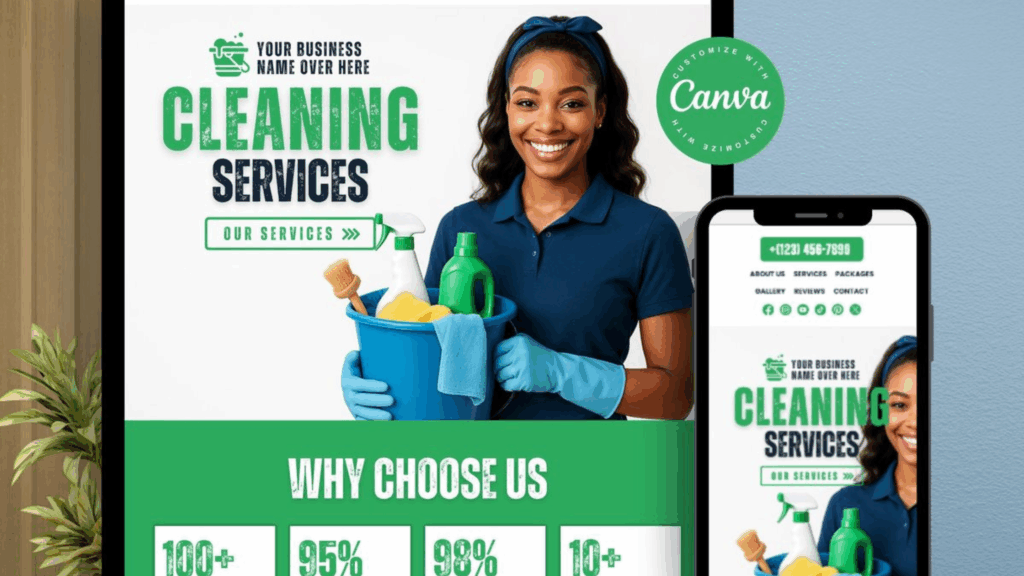
I like to see a website as a business card, storefront, and salesperson all rolled into one, except this one works 24/7.
In Nigeria, 61% of consumers research online before making a purchase. That is not a small number.
If your business isn’t online, you are leaving money on the table. And a lot of money at that!
A website nowadays has become the backbone of credibility.
Even for home-based businesses selling fashion, food, or digital services, a website signals trust.
And trust? In Nigeria, trust sells.
Customers are cautious, they want proof that you are real, professional, and dependable.
And a well-made website communicates just that without you saying a word.
Step 1: Know Your Goals Before Building
Before you touch design, colors, or pages, pause and decide what your website is meant to do for your business.
A website without a clear goal usually ends up looking fine but doing nothing. When the goal is clear, every part of the site works together instead of fighting for attention.
Your website is not just an online poster. It is a tool. And tools only work well when they are built for a specific job.
What Is the Main Job of Your Website?
Most business websites fall into one main purpose. Yours will likely fit into one of these:
- Showcase services or expertise
This works for consultants, freelancers, coaches, agencies, and service providers. The website needs to explain what you do, who you help, and how someone can reach you or book you.
- Sell products online
If you sell physical or digital products, your website must support browsing, pricing, checkout, and secure payments. The goal here is simple: make buying easy.
- Collect leads and enquiries
Some businesses want calls, form submissions, or bookings rather than instant sales. In this case, clarity and trust matter more than flashy design.
You can have more than one goal, but one must lead. When everything is important, nothing stands out.
How Goals Affect Website Structure
Your goal determines how your website is arranged.
A product-based website needs:
- Clear product pages
- Prices that are easy to see
- A smooth checkout process
A service-based website needs:
- Simple service explanations
- Proof of credibility like testimonials or past work
- Easy contact or booking options
When you skip this step, businesses often add features they do not need. That leads to clutter, higher costs, and confusion for visitors.
Step 2: Choose the Right Platform for Your Business
Once your goal is clear, the next decision is how your website will actually be built. This choice affects your budget, your timeline, and how much control you have after the site goes live.
In Nigeria, most businesses follow one of three paths. None of them are wrong, but one will fit your situation better than the others.
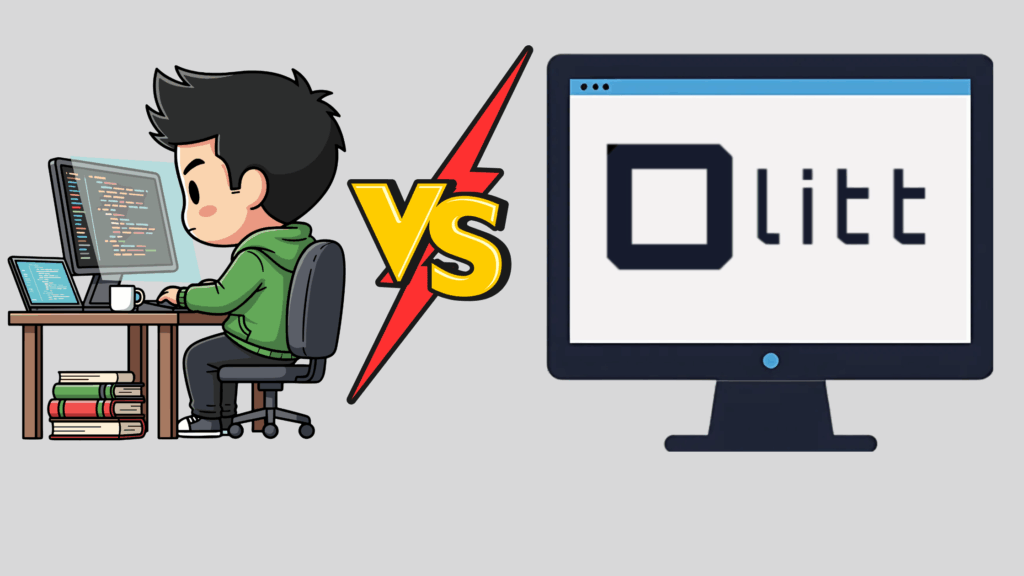
1) Hiring a Developer
Working with a developer gives you full control over how your website looks and functions.
Every feature can be built to your exact needs, and the design can be fully custom.
The downside is cost and time. Developers charge for their skills and hours, and projects can take weeks or even months.
Small changes later often come with extra fees, which can be frustrating when you just want to update text or add a new service.
For businesses with complex needs and larger budgets, this route can make sense. For many small businesses, it quickly becomes more than they need.
2) Working With a Web Agency
Agencies usually offer a full package. Design, development, branding, and sometimes strategy are handled for you.
This can be helpful if you want a polished result and prefer not to be involved in the details.
However, agencies come with higher fees because you are paying for a team and a structured process.
Timelines are often fixed, and simple updates may still require going through them.
For early-stage businesses or solo founders, this option can feel heavy and expensive for what is actually required.
3) Using a Website Builder
For many small business owners in Nigeria, this is the most practical option.
An AI website builder like Olitt is designed to remove complexity without sacrificing professionalism.
Olitt helps you create a complete website quickly by guiding you through simple steps instead of technical setup.
You do not need coding skills, and you do not need to manage multiple tools.
The platform handles layout, structure, and essential features, while still giving you room to adjust and grow.
Step 3: How Building a Website With Olitt Works
For this step, we are assuming you chose to build your website with an AI website builder.
Olitt is built for business owners who want to get online without turning website creation into a project that drags for weeks.
The process follows a clear path, and each step moves you closer to a live, usable business website.
a) Start With Your Business Details
The first thing Olitt asks for is basic information about your business.
This includes your business name, what you offer, and the type of customers you serve.
This step is very critical because it shapes how your website is structured from the start.
Based on what you enter, Olitt prepares a website layout that fits your industry.
A service business gets a different structure from an online store.
This removes guesswork and saves time because you are not staring at a blank page trying to decide what goes where.
b) Website Generation Happens Automatically
Once your details are in, Olitt generates a full website for you. Pages, layout, sample text, and images are already in place.
You are not building from scratch. You are starting with something complete and functional.
This stage includes:
- A homepage that explains what your business offers
- Sections for services or products
- Contact details and inquiry forms
- Mobile-friendly design
- Basic SEO setup to help search visibility
At this point, your website already looks professional enough to share.
c) Edit and Personalize
After the website is created, you can adjust everything to match your business style.
Olitt uses simple editing tools that allow you to click on any section and change it directly.
You can:
- Update text to sound more personal
- Swap images to show your real work or products
- Change colors and fonts to match your brand
- Add or remove sections based on your needs
You even get to edit with AI help, inline or even by yourself.
d) Built-In Features
Olitt is not just about appearance. It includes tools that help your website actually work for your business.
Depending on what you need, you can:
- Add booking forms for appointments
- Use contact forms to collect leads
- Set up product pages and payments
- Ensure your site works well on mobile phones
These features are ready to use, which means you are not searching for extra plugins or paying for separate services.
e) Hosting, Domain, and Updates in One Place
One of the biggest advantages of using Olitt is that everything lives under one roof. Hosting, website management, and updates are handled within the same platform.
You can update prices, add services, or post announcements anytime.
Your website grows as your business grows, without extra setup or ongoing developer costs.
Step 4: Choose a Domain Name That Works for Your Business
Now that your website structure is ready, the next important step is choosing a domain name.
This is the address people will type to find you online, so it needs to work for both your business and your customers.
A good domain name does three things well. It is easy to remember, easy to spell, and clearly connected to what you do.
If someone hears it once, they should be able to type it without confusion. Complicated spellings or long names often lead to lost visitors.
Pick a Name That Matches Your Brand
Your domain should closely reflect your business name or service.
If your business already has a name people recognize, using that name as your domain builds trust faster.
For new businesses, a clear name that hints at your service helps customers understand you immediately.
For example, a cleaning service, consulting business, or online store should sound relevant the moment the domain is seen.
This clarity reduces hesitation and increases confidence.
Choose the Right Extension for Your Market
Domain extensions also matter. In Nigeria, common options include:
- .com.ng or .ng for strong local presence
- .com for a more global or general audience
If your customers are mostly in Nigeria, local extensions help signal relevance and familiarity.
If you plan to serve clients beyond Nigeria, a .com may feel more flexible.
The choice depends on who you want to reach and how you want your business to be perceived.
Register or Connect Your Domain
Olitt makes this step simple by allowing you to register a new domain during setup or connect one you already own.
There is no need to jump between platforms or deal with technical configuration.
Having your domain connected from the start means your website goes live looking complete and professional.
Customers see a real business address, not a temporary link or placeholder.
Step 5: Launch Your Website and Let People Know It Exists
Building a website is only half the work. Once it is live, people need to actually see it. A website that no one visits cannot help your business, no matter how good it looks.
Start by sharing your website link everywhere your customers already are.
This includes Instagram, Facebook, WhatsApp status, WhatsApp groups, X, LinkedIn, and even email signatures.
If you use printed materials like business cards, flyers, or banners, add your website address there too.
The goal is simple: whenever someone hears about your business, they should also know where to find you online.
Your existing customers are key here. Encourage them to visit your site, check your services, and leave reviews or testimonials if you offer that option.
Social proof builds trust faster than any advert. When new visitors see that real people have worked with you, they feel more confident reaching out.
It also helps to keep your website active. Update photos, change offers, or add small announcements from time to time.
An active website signals that your business is running and paying attention. Launching is not a one-day event.
Promotion continues as long as the business exists.
Step 6: Track What Is Working and Improve It
When people start visiting your website, data becomes important. You do not need to be technical to benefit from it.
You just need to know what to look at and what it means for your business.
Basic things to track include:
- How many people visit your website
- Which pages they spend time on
- Where enquiries or bookings come from
- Which services get the most attention
These numbers show you what is helping your business and what is being ignored.
If many people visit a page but do not contact you, that page may need clearer information or stronger calls to action.
If one service page gets most visits, that service may deserve more promotion.
Step 7: Maintain and Scale Your Website as Your Business Grows
A website is not something you build once and forget.
Businesses grow, services change, and customers expect up-to-date information. Maintenance keeps your website useful and relevant.
Over time, you may need to:
- Add new services or products
- Update prices or descriptions
- Refresh images and branding
- Post announcements or promotions
- Improve pages that are not converting well
The advantage of using Olitt is control.
You can make these updates yourself without calling a developer or paying extra fees. This saves money and allows faster changes when your business needs to move.
Scaling also becomes easier.
As demand grows, you can add booking tools, online payments, contact forms, or new pages without rebuilding everything from scratch.
Your website grows alongside your business instead of holding it back.
A well-maintained website continues to attract customers, support sales, and strengthen credibility.
When done right, it becomes a long-term business asset, not just an online brochure.
Final Thoughts
By now, you can see that learning how to create a business website is not about chasing fancy designs or copying what big brands are doing.
It is about giving your business a clear place online where people can understand you, trust you, and take the next step without stress.
When someone lands on your site, they should not have to guess what you do or how to reach you.
That is why using an AI website builder makes sense for many Nigerian businesses.
It removes the heavy lifting and lets you focus on running your business instead of fighting tech.
With Olitt, you are not locked into a rigid setup.
You can start small, make changes as you learn, and grow your website alongside your business.