 DomainsFind and register your ideal domain name instantly.
 Web HostingEasy-to-use hosting powered by cPanel — ideal for managing websites in Nigeria.
 Windows HostingRun .NET apps with Windows-optimized hosting
 Affiliate ProgramMake money promoting our services
 Reseller HostingMake money by reselling our hosting products under your own brand
 .COM Domains
 All DomainsExplore all supported tld domains in Nigeria
 WhoisFind out who owns any domain, as well as verify your registration details
 Dedicated ServersReimagine your site speed with your own complete server
 AI Website BuilderDesign your site with drag-and-drop tools
 Online Shop BuilderStart your online shop without code
 Support PortalFind answers or get expert help
 Contact UsReach our team via chat or email
 BlogRead our extensive guides on web hosting and more
Hosting providers love the word unmetered.
It shows up on plan after plan, often right next to a low price.
But it causes real confusion.
Unmetered bandwidth doesn’t mean your website has unlimited access to every server resource.
It’s a specific term, and it only covers one part of what your hosting plan actually offers.
Here’s the short version.
Unmetered bandwidth means your provider isn’t measuring your data transfer against a fixed monthly quota.
Hosting companies use the term because it sounds generous and removes a specific worry, running out of transfer allowance.
It also gives providers a way to advertise generosity without having to publish an exact number that could later look restrictive by comparison.
But none of that means every other resource on your account is unlimited too.
Users should still check a plan’s actual resource limits before assuming unmetered covers everything, since a plan can be perfectly generous on bandwidth and still fall short on the resources that actually keep a busy site running smoothly.
This article breaks down what unmetered bandwidth actually means, how it differs from unlimited bandwidth, what affects your bandwidth usage in practice, and what to actually look for when comparing hosting plans.
How Does Unmetered Bandwidth Work?

Here’s the basic flow behind every website visit. A visitor requests your website. Their browser sends that request to your server.
The server responds by sending data back, your pages, images, and files. That transfer of data is bandwidth.
More visitors mean more data transferred.
Larger files mean more data transferred too.
A photo-heavy page uses more bandwidth than a simple text page. A thousand visitors use more bandwidth than ten.
An unmetered plan removes a specific data-transfer quota.
It doesn’t remove every other limitation on how your hosting account can use the server.
Those are two separate things, and mixing them up is where most of the confusion starts.
What Uses Bandwidth?
A few things drive bandwidth usage more than others.
Web pages themselves use some, though usually a small amount. Images tend to use considerably more, especially high-resolution ones.
CSS and JavaScript files add up too, particularly on sites loading a lot of scripts.
Downloads count heavily, whether that’s a PDF, a software file, or anything else visitors save to their device.
Videos and audio use the most bandwidth by far, since media files are simply larger than text or code.
Software and other large files follow a similar pattern. Website backups can factor in too, particularly if backups are transferred off-site regularly.
Unmetered vs Unlimited Bandwidth
These two terms get used almost interchangeably in hosting marketing. They aren’t quite the same thing.
| Unmetered Bandwidth | Unlimited Bandwidth |
|---|---|
| No fixed usage measurement or allowance | Usually marketed without a specific usage cap |
| Provider doesn’t meter data transfer against a set quota | Provider doesn’t advertise a specific bandwidth limit |
| Still subject to terms and resource policies | Still subject to terms and resource policies |
| Doesn’t mean unlimited server resources | Doesn’t mean unlimited server resources |
The practical difference is small. Unmetered typically means your provider simply isn’t counting your data transfer at all.
Unlimited typically means there’s no advertised cap, though usage is still tracked behind the scenes in most cases.
Both terms come with real limits elsewhere on the account, even when neither term applies to bandwidth specifically.
Here’s the part worth remembering.
Hosting companies don’t always use these terms consistently. One provider’s unmetered might work differently from another provider’s unmetered.
Always read the actual terms of service for your specific plan rather than assuming every host means exactly the same thing by the same word.
What Are the Limits of Unmetered Bandwidth?
This is the section that counts for the most.
Bandwidth is only one resource among several. Unmetered bandwidth doesn’t touch any of the following.
a) CPU Limits
Every shared hosting account gets a slice of the server’s processing power.
CPU handles the actual work of generating your pages, running scripts, and processing requests.
An unmetered bandwidth plan can still hit a CPU ceiling under heavy load, completely separate from how much data you’re transferring.
b) RAM Limits
Memory determines how many processes your site can run at once.
Low RAM causes slowdowns and errors under traffic, even when bandwidth usage looks perfectly fine.
RAM limits apply regardless of what your plan says about bandwidth.
c) Storage Limits
Bandwidth is about data transfer.
Storage is about how much you can actually keep on the server, your files, database, email, and everything else.
Unmetered bandwidth says nothing about how much storage space you get. That’s a separate number entirely, listed elsewhere on the plan.
d) I/O Limits
Input/output capacity controls how fast your server can read and write data. High-traffic databases lean on this heavily.
A plan can offer unmetered bandwidth and still cap I/O, which can slow down a database-driven site well before bandwidth becomes an issue.
e) Inode/File Limits
Inodes count the total number of files your account holds, every image, every cached file, every email.
Some hosts cap this number regardless of overall storage space used.
A site with thousands of small files can hit an inode limit long before it hits a storage or bandwidth limit.
f) Fair-Use Policies
Nearly every unmetered plan operates under some form of fair-use policy.
Providers reserve the right to step in if an account starts consuming resources in a way that affects other customers on the same server.
This isn’t really a trick.
It’s simply how shared infrastructure has to work when many accounts share the same hardware.
A fair-use policy typically stays invisible for the vast majority of accounts, since most sites never come close to triggering it, but it becomes relevant fast for anyone running unusually heavy traffic, large-scale file distribution, or streaming content on standard shared hosting.
Each of these limits can affect a website even when bandwidth itself is genuinely unmetered.
Bandwidth was rarely the actual bottleneck in the first place.
More often than not, a slow or struggling site under load is hitting a CPU, RAM, or I/O ceiling long before it ever approaches a meaningful amount of data transfer.
How to Calculate Website Bandwidth Usage

Here’s a simple formula to estimate your own usage.
Bandwidth usage is roughly equal to the number of page views multiplied by the average page size.
Take a hypothetical example. Say a site gets 10,000 page views a month, and the average page size is 2 MB.
That works out to roughly 20 GB of data transfer for the month.
Downloads, media files, and other resources add to that total on top of regular page views.
A site with a lot of video content or large downloadable files will use considerably more bandwidth per visitor than a simple text-based blog, even with the same number of page views.
It’s worth treating this as an estimate rather than an exact figure.
Real usage varies. Pages contain multiple resources loading together, images, scripts, fonts, and more.
Visitors don’t necessarily load the same content every time either, some browse deeply into a site, others bounce after one page.
Use the formula as a rough starting point, not a precise prediction.
Is Unmetered Bandwidth Worth It?
The answer depends on what your website actually needs.
Advantages
- Unmetered bandwidth removes a fixed monthly quota, so you’re not watching a usage meter creep upward.
- It makes handling traffic fluctuations easier, a sudden spike doesn’t trigger overage fees the way a metered plan might.
- Costs stay predictable, since you’re not billed per gigabyte.
- It’s genuinely useful for growing websites that don’t yet know their long-term traffic pattern.
- And it means less time spent monitoring data-transfer consumption specifically.
Limitations
- Unmetered bandwidth doesn’t mean unlimited server resources.
- Fair-use policies can still apply and can still result in a provider stepping in.
- Storage remains limited by whatever your specific plan allows, unmetered bandwidth changes nothing there.
- And genuinely high-resource websites, heavy traffic, large databases, media-heavy content, may still need VPS or dedicated hosting regardless of how generous the bandwidth terms look on paper.
How to Choose a Hosting Plan With Unmetered Bandwidth
Don’t stop at the word “unmetered” and call it done. Look at the whole picture instead.
- Check the storage allocation and whether it fits your actual content.
- Check CPU and RAM limits, since these affect performance far more than bandwidth does.
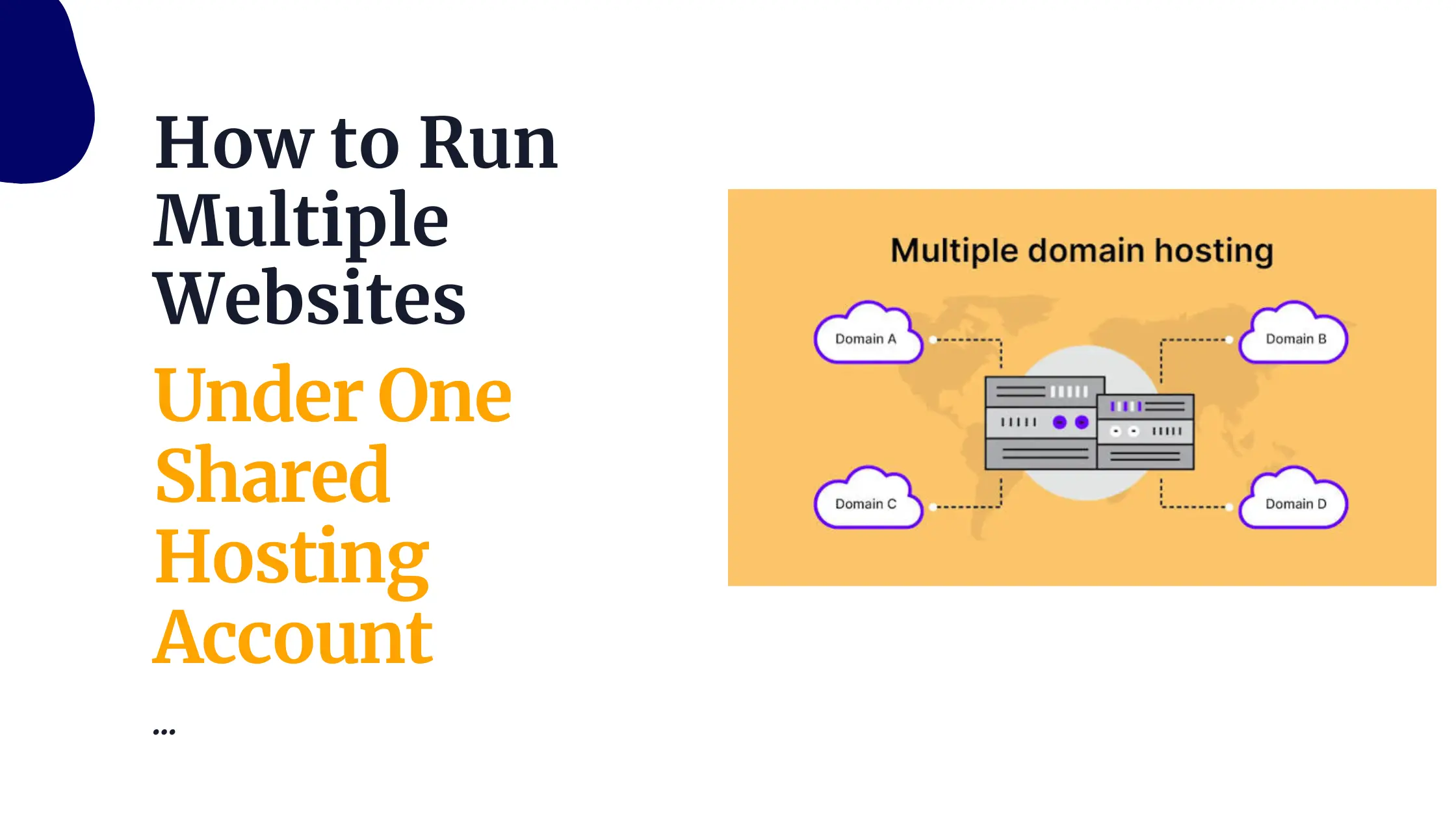
- Check how many websites the plan allows if you’re running more than one.
- Check inode limits if your site involves lots of small files.
- Check email account limits and storage.
- Confirm SSL is included and free.
- Check backup frequency and whether restoration is included.
- Look at the control panel, cPanel being the most common and beginner-friendly option.
- Confirm WordPress support if that’s your platform.
- Check server location relative to your audience.
- Look at support channels and availability.
- Check what upgrade options exist once you outgrow the plan.
- And read the actual terms of service, particularly the fair-use section, rather than relying on the marketing page alone.
Unmetered bandwidth shouldn’t be the only deciding factor when comparing hosting plans.
It’s one line item among many, and often not even the most important one for how your site will actually perform.
Choose Bandwidth Based on What Your Website Actually Needs
Unmetered bandwidth removes a fixed data-transfer allowance. It doesn’t remove the other resource limits built into a hosting plan.
CPU, RAM, storage, and inodes all still apply, regardless of what the bandwidth label says.
Before choosing a plan, look at the entire resource package.
Think about how your website is expected to grow, not just what today’s traffic looks like.
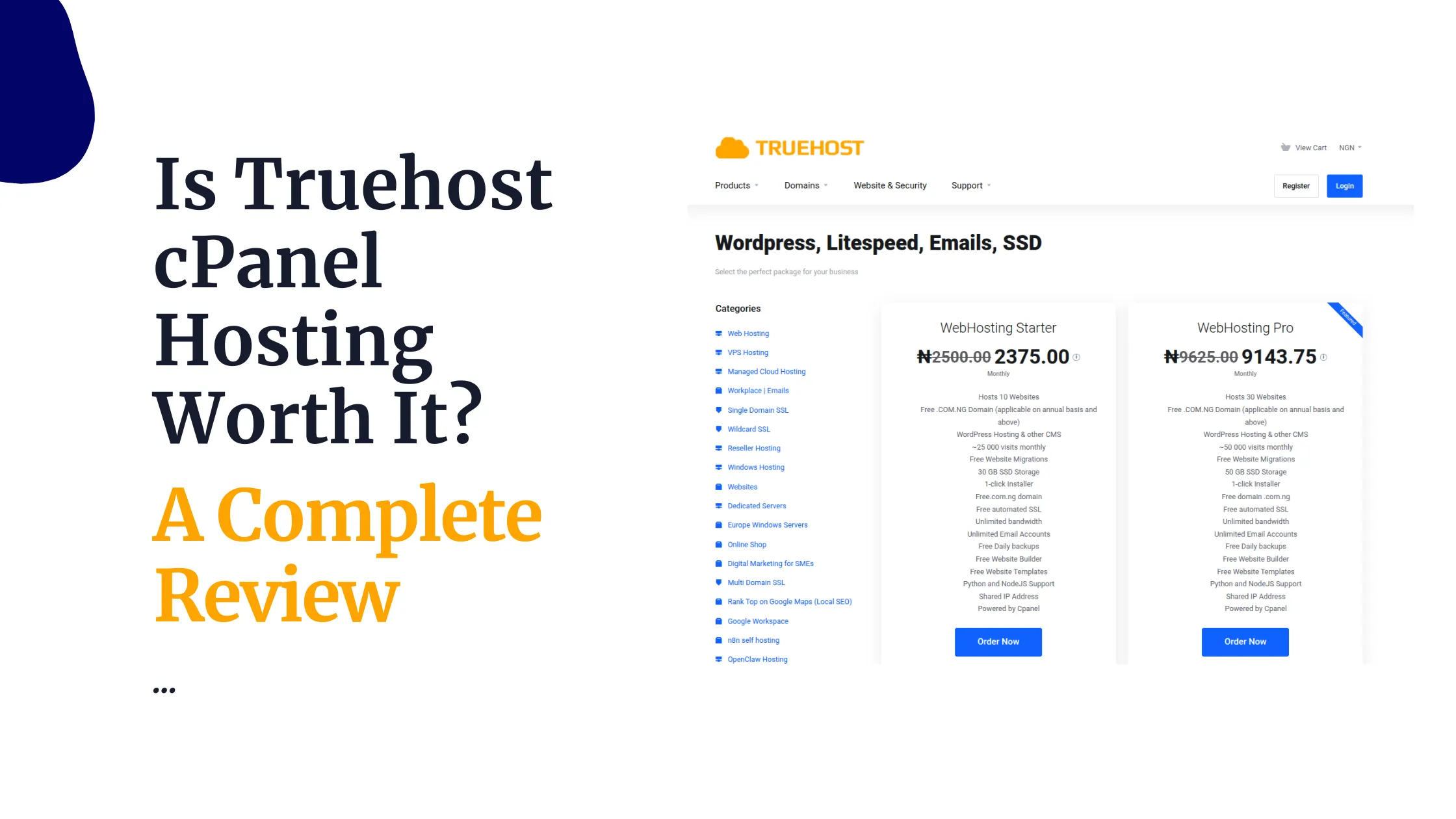
If you’re comparing hosting plans and want unmetered bandwidth paired with genuinely solid CPU, RAM, and storage allocations, Truehost’s hosting plans are built around the full resource package, not just a headline bandwidth term.
Explore Truehost’s hosting plans and pick one that actually fits what your website needs.