 Domain NamesFind and register your ideal domain name instantly.
 Web HostingEasy-to-use hosting powered by cPanel — ideal for managing websites in Nigeria.
 Windows HostingRun .NET apps with Windows-optimized hosting
 Affiliate ProgramMake money promoting our services
 Reseller HostingMake money by reselling our hosting products under your own brand
 .COM Domains
 All DomainsExplore all supported tld domains in Nigeria
 WhoisFind out who owns any domain, as well as verify your registration details
 VPS Hosting in Nigeria
 Dedicated ServersReimagine your site speed with your own complete server
 AI Website BuilderDesign your site with drag-and-drop tools
 Online Store BuilderStart your online shop without code
 Support PortalFind answers or get expert help
 Contact UsReach our team via chat or email
 BlogRead our extensive guides on web hosting and more
Most website owners budget for the obvious costs: hosting, domain renewal, maybe an SSL certificate.
Thank you for reading this post, don't forget to subscribe!But the real expenses hit when you least expect them.
Emergency fixes. License renewals you forgot about. Compliance requirements that pop up overnight.
And the quiet cost of lost productivity when your team is firefighting instead of growing your business.
The truth is, the advertised price of a website is rarely the final number.
Ongoing website maintenance cost can quietly double your annual spending if you are not prepared.
For Nigerian business owners, where budgets are tight and margins matter, those surprises can sting.
This piece pulls back the curtain on the hidden website maintenance costs that catch people off guard.
Plus practical ways to budget for them so you are never scrambling when something breaks.
1) Emergency Fixes
Unanticipated outages, server crashes, broken features, or security breaches that require immediate attention.
These rarely happen during business hours.
You plan for routine maintenance. You don’t plan for your site going down at 2 AM on a Saturday during a major campaign.
Yet that is precisely when emergencies strike. A plugin conflict, a database error, or a DDoS attack doesn’t check your calendar.
Developer emergency rates often run 50-100% higher than standard hourly rates.
A developer who charges ₦10,000/hour normally might ask for ₦15,000–20,000/hour for weekend or after‑hours work.
Standard developer rates in Nigeria range from ₦8,000–15,000 per hour for skilled WordPress or full‑stack developers, while international rates can hit $50–200/hour.
Beyond the direct cost of the fix, there is the cost of downtime itself: lost sales during peak periods, wasted ad spend coz ads keep running even when your site is down, and the long‑term hit to your reputation.
To avoid this simply build an emergency reserve into your budget, set aside 10–15% of your annual website maintenance budget for unplanned fixes.
Consider a monthly retainer with a developer or agency that caps emergency costs and guarantees faster response times.
And before you need it, ask your hosting provider or agency about their emergency support policy.
Do they have a 24/7 hotline? Is it included or billed separately?
2) Third‑Party License Renewals
Premium plugins, themes, CRM integrations, payment gateways, and other third‑party services that require annual or monthly renewals.
You bought a plugin once and forgot about it.
A year later, the license expires and your contact form stops working, or your e‑commerce checkout breaks unexpectedly, often the plugin doesn’t just deactivate, it disables itself entirely.
The costs add up quickly.
Premium plugins typically run $20–200 per year each.
A single WooCommerce extension might be $49/year; a membership plugin could be $199/year.
CRM and integration tools like Mailchimp, HubSpot, or Zapier add another $50–500+ annually per service.
Payment gateways such as Paystack or Flutterwave come with transaction fees (1.5–3.5%) plus potential monthly gateway fees.
It is easy to prepare though. Just maintain a clear inventory of all active subscriptions, renewal dates, and payment methods.
Even a simple spreadsheet works.
Set calendar reminders 30 days before each renewal to evaluate whether you still need the tool.
Audit quarterly to cancel overlapping or underutilized tools; you’d be surprised how many people pay for two backup solutions or three analytics platforms.
3) Compliance Requirements
Regulatory standards like the Nigeria Data Protection Act (NDPA), GDPR for international visitors, and ADA accessibility requirements that evolve over time.
You built your site compliant with current laws.
Then regulations change, or your business starts serving customers in new regions, and suddenly you need audits, software updates, or legal consultation.
Compliance audits vary based on site complexity.
A basic NDPA review might be ₦50,000–150,000; a full GDPR audit can be significantly more.
Software updates to meet new standards require developer hours, if your site needs a cookie consent banner, accessibility fixes, or an updated privacy policy, that is billable time.
Legal consultation for data protection advice typically runs ₦30,000–100,000/hour for specialised lawyers.
And non‑compliance penalties can be far more expensive than prevention: the NDPA allows for fines up to ₦10 million or 2% of annual turnover, whichever is higher.
You just need to include a compliance line item in your annual budget, think of it as regulation insurance.
If you handle customer data like names, emails, addresses, budget for periodic privacy audits every 12–24 months.
Work with providers who include NDPA/GDPR consultation in premium tiers; some agencies and hosting companies offer bundled compliance tools.
4) Untested Backups
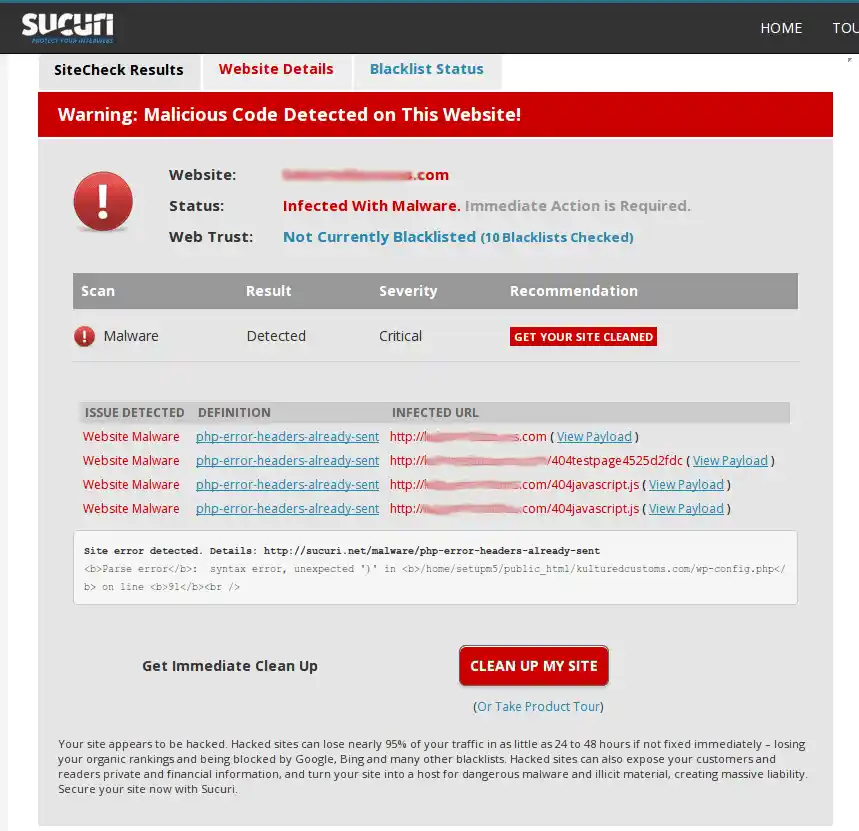
You have backups scheduled. Great. But have you ever tried to restore from them?
Many site owners discover their backups are corrupted, incomplete, or stored in the wrong place only when they desperately need them.
Backup plugins often store backups on the same server as your site.
If the server is compromised, your backups go with it.
Or the backup ran, but the file is corrupted and won’t restore. Or the backup excludes the database, so you get files but no content.
The cost of professional restoration when backups fail is emergency developer rates.
If your backup is useless, you are paying premium rates for a recovery that could have been free.
Data loss if restoration is impossible can cripple a business, lost orders, customer data, and content are often irreplaceable.
Offsite backup storage costs just $5–50/month for cloud storage like Google Drive, AWS S3, or a dedicated backup service.
You can store backups offsite, separate from your hosting server.
Use a service like UpdraftPlus with Google Drive, or your host’s remote backup option.
Test restoration quarterly, not just when something breaks, set a calendar reminder to restore your site to a staging environment every three months.
If you are using a managed maintenance plan, ask whether they include backup restoration testing.
5) Scope Creep in Maintenance Plans
You sign up for a website maintenance plan expecting everything covered.
Then you discover that maintenance means updates and backups, but not content updates, not design changes, not fixing broken features, and definitely not emergency support.
Maintenance packages often have vague descriptions. What is included versus what is billed separately is buried in fine print.
In Nigeria, maintenance tiers typically break down as:
- Basic plans at ₦20,000–35,000/month cover only updates and backups.
- Standard plans at ₦40,000–75,000/month add monitoring, tested backups, and priority support.
- Premium plans at ₦100,000+/month include a dedicated account manager, emergency support, and sometimes a few included hours.
What’s almost never included:
- major design changes,
- new features,
- content creation,
- SEO services,
- after‑hours emergency support,
- performance optimisation,
- or security hardening beyond basics.
Before signing any maintenance contract, ask for a detailed breakdown of what is included, get it in writing.
Clarify: what happens if your site breaks at 10 PM on Sunday? Is there a phone number? Will you be billed extra?
Understand the difference between response time, they acknowledge the issue and resolution time, they fix it.
A 2‑hour response doesn’t help if it takes three days to fix.
6) The Developer Tax
When you self‑host and manage everything yourself.
Your team spends hours on server maintenance, patching, conflict resolution, and firefighting instead of building features, acquiring customers, or growing the business.
You don’t see an invoice for this cost. It shows up as delayed projects, missed opportunities, and developer burnout. But it is real.
For every 160 hours a developer works, up to 15 weeks of feature development can be lost annually to self‑hosting overhead, that is the equivalent of 15–20% of their capacity.
Hourly developer time spent on maintenance in Nigeria runs ₦8,000–15,000/hour.
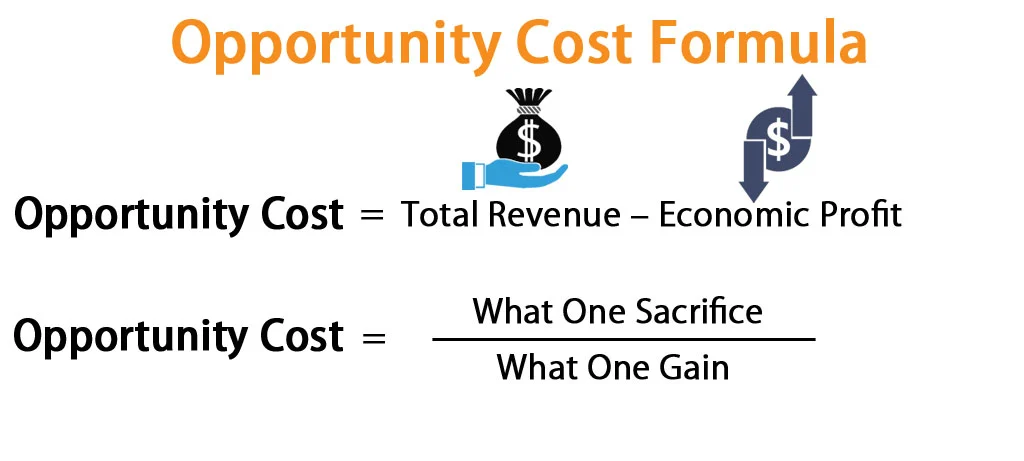
If your team spends 10 hours a month on maintenance, that’s ₦80,000–150,000 in pure opportunity cost.
The bigger cost? What you are not building while your team manages servers, new features, new revenue streams, better customer experiences.
Simply calculate the true cost: add up hours your team spends on maintenance × their hourly rate.
Compare that against a managed hosting plan or a maintenance retainer. Ask yourself:
Is your team’s best use of time managing servers or growing your business? For many Nigerian SMEs, the answer is clear.
Consider platforms like Truehost that handle server‑level security, updates, and backups, freeing your team to focus on what matters.
7) Performance Degradation

Your site gets slower over time. Databases bloat with post revisions and expired transients.
Images aren’t optimised. Plugins accumulate. You don’t notice the gradual decline, until customers complain or conversions drop.
Performance optimisation isn’t a one‑time task. It is ongoing. Many maintenance plans skip it unless you’re on higher tiers.
The cost of lost conversions is staggering: every second of delay drops conversion rates by nearly 4.5%.
For an e‑commerce site doing ₦2 million a month, that is ₦90,000 lost per second of delay, compounded over months.
Premium CDN services like Cloudflare Pro cost $20+/month but speed up your site globally, especially important for Nigerian businesses serving local audiences.
Performance optimisation as a service often requires upgrading to standard or premium maintenance tiers, adding ₦30,000–50,000 extra per month for dedicated performance work.
Ask if your maintenance plan includes performance monitoring and optimisation. If not, budget for a quarterly performance review.
Run regular speed tests (Google PageSpeed Insights, GTmetrix) yourself, if scores drop below 70, it is time to act.
Budget for a CDN if your audience is geographically distributed e.g., you serve Lagos, Accra, and London.
Cloudflare has a free tier that helps, but paid tiers offer better caching and security.
8) Bloat in Your Tech Stack
You add plugins to solve problems. Then you add more.
Soon you are paying for multiple overlapping tools, two backup solutions, three analytics platforms, four security plugins, each with its own subscription fee.
Subscriptions feel small individually. Together, they quietly drain your budget.
Every extra plugin or tool adds $20–200/year.
A handful of overlapping tools can easily add $500–1,000/year in unnecessary spend.
Beyond subscription costs, each additional tool adds complexity, compatibility risks, and maintenance overhead.
More plugins mean more updates, more potential conflicts, and more hours spent troubleshooting.
Audit your plugins and integrations quarterly. Ask: Do we still need this? Is there a better tool that does two things?
Identify overlapping tools, you might have a caching plugin, a backup plugin, and a security plugin, when some all‑in‑one suites like Jetpack or certain managed hosting plans combine these features.
Use platforms that bundle multiple features under one subscription.
Truehost’s hosting plans, for instance, include free SSL, daily backups, and security monitoring, reducing the need for separate paid tools.
Key budgeting strategies:
Opt for annual payments: Many hosting and software providers offer 10–20% discounts for yearly commitments. Paying upfront also reduces the number of monthly invoices you have to track.
Keep a tech stack inventory: Maintain a simple spreadsheet with all subscriptions, renewal dates, payment methods, and a still needed? column. Review it every quarter.
Build an emergency fund: Keep a separate account for unexpected website maintenance cost, at least 10–15% of your annual budget.
Prioritise tested backups and security: Prevention is dramatically cheaper than emergency fixes. A ₦5,000/month backup service is far less than a ₦200,000 emergency recovery.
In the End
Website maintenance cost goes far beyond hosting and domain renewals.
But forewarned is forearmed.
By knowing these hidden costs and budgeting for them proactively, you can keep your site running smoothly without surprises.
Audit your tech stack. Test your backups. Know what your maintenance plan actually covers.
And if you are spending too much time firefighting, consider a hosting partner that handles the heavy lifting.
Host with Truehost so you can spend less time worrying about hidden costs and more time growing your business.