 Domain NamesFind and register your ideal domain name instantly.
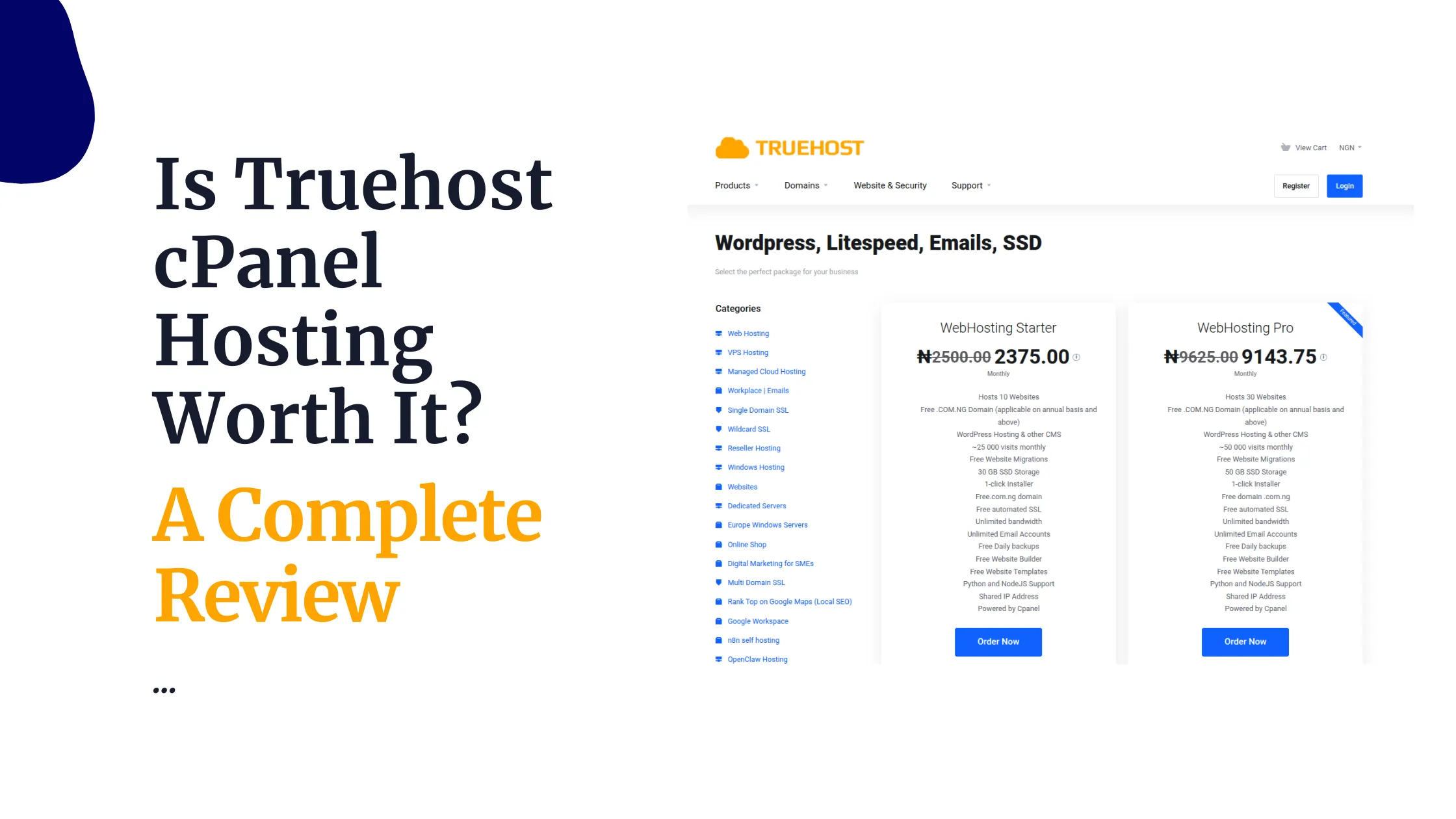
 Web HostingEasy-to-use hosting powered by cPanel — ideal for managing websites in Nigeria.
 Windows HostingRun .NET apps with Windows-optimized hosting
 Affiliate ProgramMake money promoting our services
 Reseller HostingMake money by reselling our hosting products under your own brand
 .COM Domains
 All DomainsExplore all supported tld domains in Nigeria
 WhoisFind out who owns any domain, as well as verify your registration details
 VPS Hosting
 Dedicated ServersReimagine your site speed with your own complete server
 AI Website BuilderDesign your site with drag-and-drop tools
 Online Store BuilderStart your online shop without code
 Support PortalFind answers or get expert help
 Contact UsReach our team via chat or email
 BlogRead our extensive guides on web hosting and more
Content hosting used to be simple. Upload your files, and put them online.
But in 2026? That’s no longer enough.
Have you ever clicked on your own website and watched it struggle to load?
Or uploaded a video only to hear users complain that it buffers too much?
Worse, have you lost traffic, sales, or trust just because your content hosting couldn’t keep up?
That’s the real pain.
Today, content hosting is about speed, reliability, security, and how easy it is for you to manage everything without stress. If your platform is slow, confusing, or unreliable, your audience feels it immediately… and they leave.
So here’s the big question:
Is your current content hosting platform helping you grow, or silently holding you back?
Whether you create blog posts, videos, online courses, podcasts, or digital downloads, you need content hosting that works with you, not against you. Something fast, stable, and built for the kind of audience you’re serving.
And if your users are in Nigeria or across Africa, this matters even more. Hosting that isn’t optimized for local traffic can make even great content feel broken.
In this guide, you’ll discover the best content hosting platforms for 2026, what each one does best, and how to choose the right option for your content, your goals, and your audience.
Let’s help your content load faster, reach further, and actually perform the way it should.
What Is Content Hosting?
Content hosting is where your digital content lives online.
This includes:
- Website pages
- Images and videos
- PDFs and downloads
- Online courses
- Audio files
A good content hosting platform ensures that your content loads quickly, remains secure, and is always accessible to your audience.
If your content is slow or frequently goes offline, people will leave. It’s that simple.
How We Chose These Platforms
Before putting this list together, we looked at what actually matters when you’re choosing a content hosting platform, not just fancy features.
Here’s what guided our selection:
- Speed and uptime – Your content should load fast and stay online at all times.
- Ease of use – You shouldn’t need technical skills to get started.
- Scalability – The platform should grow with you as your traffic increases.
- Pricing and value – You deserve fair pricing for what you’re getting.
- Support quality – Help should be available when things go wrong.
- Local relevance – Platforms that work well for Nigerian and African audiences ranked higher.
In short, we focused on platforms that make hosting your content simpler, faster, and stress-free.
Best Content Hosting Platforms
The best content hosting platforms help your content load fast, stay secure, and remain accessible at all times. They remove technical stress so you can focus on creating, not fixing issues.
Speed, reliability, ease of use, and audience location all matter, especially if your users are in Nigeria or Africa. The platforms below stand out for getting these basics right.
1) Truehost
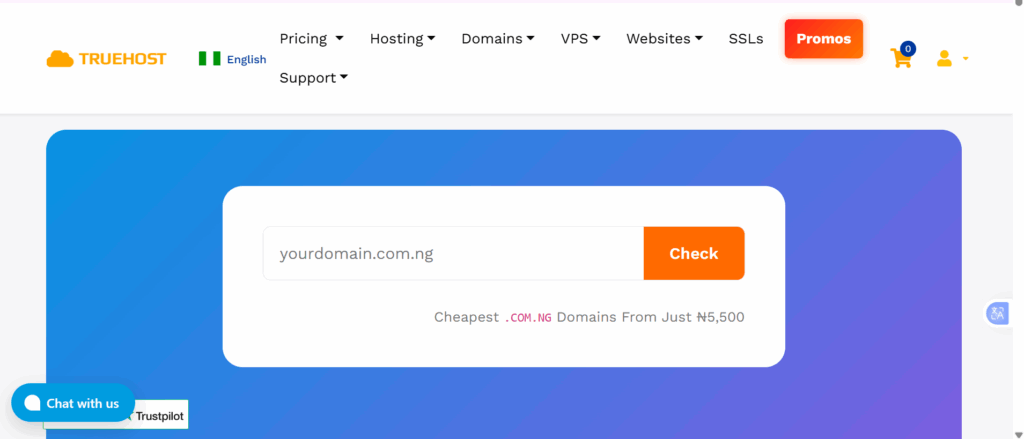
Let’s be honest, we are biased. But that’s because Truehost was built from real pain we saw every day.
Slow websites.
Dollar pricing that doesn’t make sense locally.
Support teams that don’t understand African traffic.
So we built something better.
Truehost is designed specifically for Nigeria and the wider African market. Your content loads faster because it’s hosted closer to your audience. And when you need help, you speak to real humans who actually understand your problem.
You get optimized WordPress hosting, free SSL certificates, and a 99.9% uptime guarantee. In simple terms, your site stays online, secure, and fast, day and night.
One feature users love is the AI website builder. You don’t need tech skills or design experience. You can launch a clean, professional website in under 30 minutes.
Pros
- Optimized for Nigerian and African traffic
- Affordable pricing with local payment options
- Free SSL and strong security
- AI website builder for beginners
- 24/7 human support
Cons
- Fewer global data centers than the big US providers
- Advanced developer features may require a VPS upgrade
Best For
- Small businesses
- Bloggers
- Entrepreneurs targeting Nigeria or Africa
Key Feature: Local support + local payment methods
(Try Web Hosting)
2) WP Engine
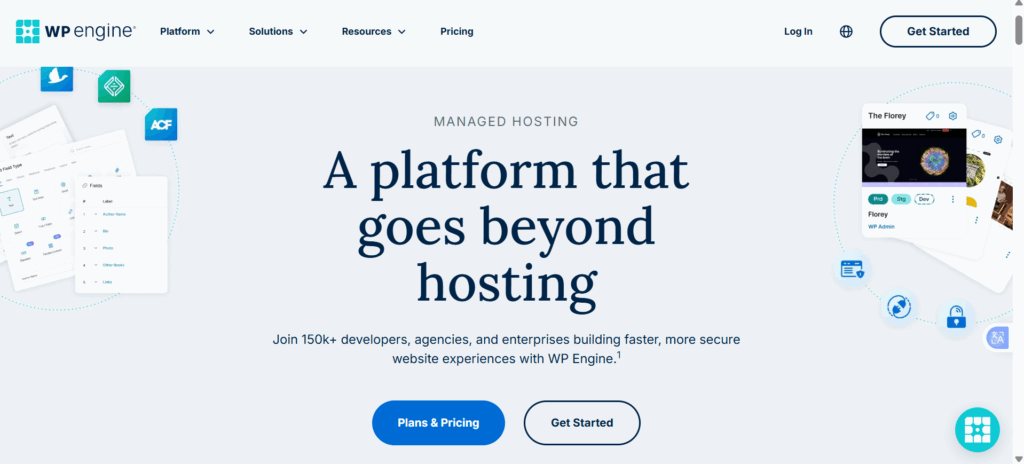
WP Engine is the premium, no-compromise option for WordPress.
They don’t do shared hosting. They don’t host other platforms. Everything is built purely for WordPress performance, security, and stability.
All technical updates are handled for you. Core updates, plugin conflicts, security patches, it’s all taken care of in the background.
The trade-off? Price. WP Engine is expensive, especially if you’re just starting.
Pros
- Extremely fast WordPress performance
- Advanced security and daily backups
- Zero maintenance stress
Cons
- High pricing
- No email hosting included
Best For
- High-traffic blogs
- Agencies managing multiple WordPress sites
Key Feature: EverCache technology for lightning-fast load times
3) Hostinger
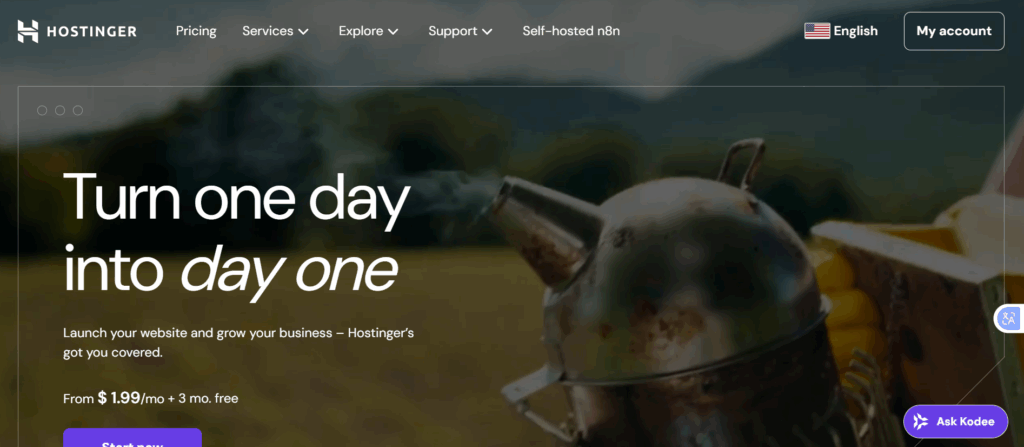
Hostinger has built a strong reputation by making hosting affordable without feeling cheap.
In 2026, they’ve gone all-in on AI. Their tools help you generate content, fix errors, and optimize performance automatically, great if you’re still learning the ropes.
They also use LiteSpeed servers, which are noticeably faster than traditional setups.
Pros
- Very affordable plans
- AI-powered tools
- Fast LiteSpeed servers
Cons
- Support quality can vary
- Data centers are mostly outside Africa
Best For
- Beginners
- Budget-conscious creators
Key Feature: AI-powered site troubleshooter
4) SiteGround
SiteGround is known for one thing above all else: reliability.
Their servers run on Google Cloud infrastructure, which means excellent uptime and consistent performance. Their custom caching system, called SuperCacher, helps your pages load faster for repeat visitors.
Support is another strong point. When something breaks, they respond fast and explain clearly.
Pros
- Excellent customer support
- Very stable hosting
- Strong performance tools
Cons
- Higher renewal prices
- Limited storage on lower plans
Best For
- Growing businesses
- Professional portfolios
Key Feature: Google Cloud–powered hosting
5) Wix
Wix is all about simplicity.
You don’t need separate hosting, design tools, or plugins. Everything comes in one package. You drag, drop, publish, and you’re live.
It’s perfect if you want to focus on design and content, not technical setup. However, moving away from Wix later can be difficult.
Pros
- Extremely easy to use
- All-in-one platform
- No coding required
Cons
- Limited flexibility
- Hard to migrate elsewhere
Best For
- Creatives
- Small online shops
Key Feature: Drag-and-drop editor with full design freedom
6) Bluehost
Bluehost is one of the most beginner-friendly hosting platforms out there.
It’s officially recommended by WordPress.org, and setting up your first website takes just a few clicks. You also get a free domain name for the first year, which helps reduce startup costs.
As your site grows, you can upgrade to more powerful hosting options.
Pros
- Easy WordPress setup
- Free domain for one year
- Scalable plans
Cons
- Average support response times
- Higher renewal fees
Best For
- First-time website owners
Key Feature: One-click WordPress installation
7) Cloudways
Cloudways is not traditional hosting; it’s managed cloud hosting.
You choose a cloud provider like AWS or Google Cloud, and Cloudways manages everything for you. This gives you flexibility without dealing with server headaches.
It’s more complex than shared hosting, but powerful when you need to scale fast.
Pros
- Pay only for what you use
- High performance
- Flexible scaling
Cons
- Not beginner-friendly
- No domain or email hosting
Best For
- Developers
- E-commerce stores
Key Feature: Choice of 5 major cloud providers
8) Netlify
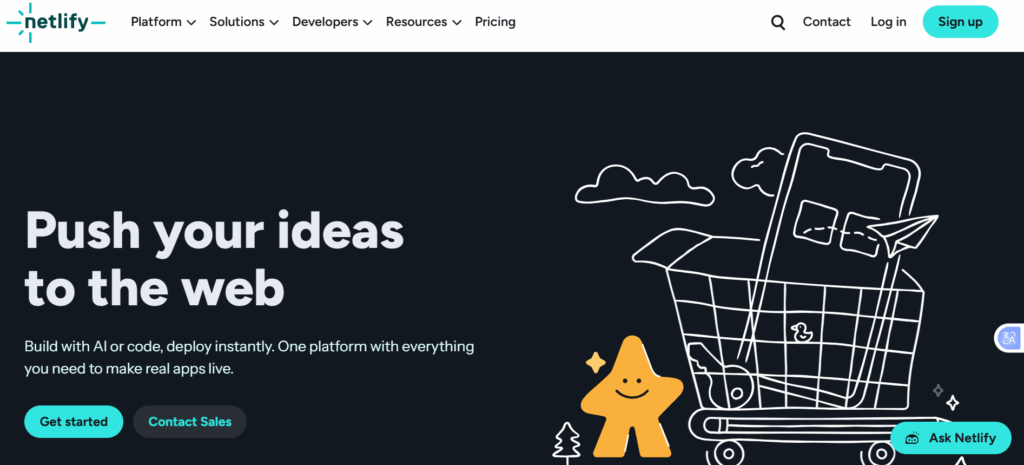
Netlify is built for modern websites.
If your site is static and built with modern frameworks, Netlify makes deployment effortless. Connect your GitHub repo, push code, and your site updates automatically.
Content loads extremely fast because it’s served from servers close to users worldwide.
Pros
- Extremely fast
- Automated deployments
- Free tier available
Cons
- Requires technical knowledge
- Not ideal for traditional blogs
Best For
- Developers
- Tech startups
Key Feature: Global edge network delivery
9) Kinsta
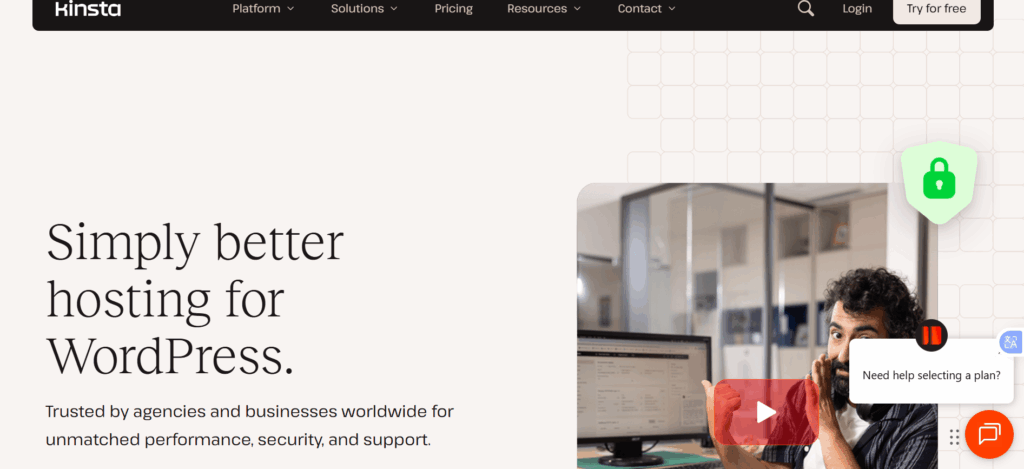
Kinsta is built for moments when traffic explodes.
If your content goes viral, Kinsta won’t crash. Their platform is powered by Google Cloud and protected by enterprise-grade security systems.
Their dashboard is clean, detailed, and easy to understand, even with advanced data.
Pros
- Handles massive traffic spikes
- Top-level security
- Excellent analytics
Cons
- Premium pricing
- WordPress-only
Best For
- Large businesses
- High-traffic creators
Key Feature: 35+ global data center locations
10) Vimeo
Vimeo is perfect when video is your main content.
Unlike YouTube, Vimeo gives you control. No ads. No distractions. Just clean, high-quality video hosting that looks professional.
It integrates smoothly with your website and is ideal for courses and branded content.
Pros
- Ad-free video hosting
- High-quality playback
- Strong privacy controls
Cons
- Not a website host
- Paid plans required
Best For
- Course creators
- Filmmakers
Key Feature: Customizable, ad-free video player
How to Choose the Right Content Hosting Platform
Choosing a content hosting platform isn’t about picking the most popular name. It’s about picking what actually works for you and your audience.
Start by asking yourself a few honest questions.
a) Who is your audience?
Are they mostly in Nigeria, Africa, or spread across the world? If your users are local, hosting closer to them can make a huge difference in loading speed and overall experience.
b) What type of content are you hosting?
Blogs, videos, podcasts, online courses, and downloadable files all have different needs. A platform that works great for articles may struggle with video-heavy content.
c) Do you want simplicity or flexibility?
If you just want something that works out of the box, go for an easy, managed platform. If you need custom setups and full control, flexibility becomes more important.
d) How important is speed to you?
Speed isn’t optional anymore. Slow-loading content frustrates users and hurts trust, engagement, and conversions.
If your audience is in Nigeria, hosting close to them matters more than most people realize. Local hosting reduces delays, improves reliability, and helps your content feel fast and responsive, exactly how it should.
Conclusion
Your content deserves more than just a place to exist online. It deserves a platform that helps it load fast, stay secure, and reach the people it was created for.
In 2026, content hosting is no longer optional or “nice to have.” It directly affects how users experience your brand, how long they stay on your site, and whether they trust you enough to come back.
If your audience is in Nigeria or across Africa, this choice matters even more. Hosting your content far away often leads to slow load times, downtime, and lost opportunities, things you shouldn’t have to deal with.
That’s where Truehost comes in.
With locally optimized servers, affordable plans, local payment options, and real human support, Truehost gives your content a home that actually works for you.