 Domain NamesFind and register your ideal domain name instantly.
 Web HostingEasy-to-use hosting powered by cPanel — ideal for managing websites in Nigeria.
 Windows HostingRun .NET apps with Windows-optimized hosting
 Affiliate ProgramMake money promoting our services
 Reseller HostingMake money by reselling our hosting products under your own brand
 .COM Domains
 All DomainsExplore all supported tld domains in Nigeria
 WhoisFind out who owns any domain, as well as verify your registration details
 VPS Hosting
 Dedicated ServersReimagine your site speed with your own complete server
 AI Website BuilderDesign your site with drag-and-drop tools
 Online Store BuilderStart your online shop without code
 Support PortalFind answers or get expert help
 Contact UsReach our team via chat or email
 BlogRead our extensive guides on web hosting and more
I am sure you’ve come across several web hosting companies, but do you know how they work?
How do they actually “host” websites? What tools do they use? What does one need to create a fully working hosting company?
So, you’ll have a website loading instantly for a friend in Lagos but crawling like traffic on Third Mainland when your cousin in Abuja checks it.
What is behind that “invisible magic,” or sometimes headache?
Now, enough with the questions; let’s just explore this together. No beating about the bush. No tech-intimidation. Just clarity.
Here’s a quick peek at what we’ll cover:
- The core parts of every web hosting company
- How your site’s traffic actually moves
- The different hosting types (and who they’re for)
- Features that matter—and red flags to avoid
- Costs, contracts, and how to get started
Let’s start already, no more guessing games.
1) The Fundamentals: What Web Hosting Companies Really Do
Your website is like a small shop in Balogun Market.
Your files, that is your images, videos, products, and blog posts, are the items in that shop.
Now, web hosting companies are the landlords renting you a space, keeping your shop open 24/7, and making sure thieves don’t get in.
When someone types your URL, your host quickly fetches your files and sends them to the visitor’s browser in milliseconds.
That’s the basic idea.
But hosts do a lot more behind the scenes:
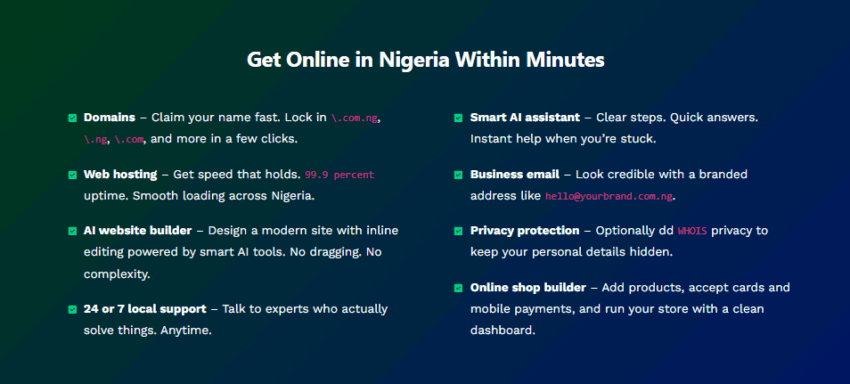
- Store your files in secure data centers
- Protect your site with firewalls and security scans
- Back up your data automatically
- Provide bandwidth so your site doesn’t crash
- Run DNS to match your domain name to your server
Think about Kemi Filani website. Fans from all over Africa hit it daily.
It must load fast and stay online through traffic spikes.
That reliability comes from solid hosting, often local hosting, keeping uptime at or above 99.9%.
For Nigerians, location really matters.
A U.S. server can take 200ms+ to load here. A local Nigerian server? Often less than 50ms.
And because NEPA likes to do its thing, hosts like Truehost use redundant power supplies, diesel backups, and mirrored storage so your site stays online even when the lights don’t.
Here are the basics every hosting company works with:
- Servers and Storage: SSDs/NVMe load faster and keep your data safe
- Bandwidth: Determines how smoothly your site handles visitors
- Domains and DNS: Matches your name (yoursite.ng) to your hosting
- Uptime SLAs: Look for 99.9% minimum—99.99% is better
That’s the foundation. Now let’s see how traffic flows through a hosting company each time someone visits your site.
2) Inside the Engine: How Web Hosting Companies Handle Your Traffic
So you’ve just hit “publish” on that new jollof recipe blog post. A reader in Port Harcourt taps the link.
And just like that—bam—your page pops up.
Feels instant, right?
But behind that quick load is a whole relay race your hosting company runs in the background, and it all happens in a few milliseconds.
Let’s break it down in simple terms:
1. DNS Resolution — “Who Are You Looking For?”
Think of DNS like asking a street vendor for directions.
Your visitor types your domain name, and DNS tells their browser where your site “lives.”
- Local DNS (like ours at Truehost): 20–50ms
- Overseas DNS: 200–300ms
That’s the difference between “Ah, sharp!” and “Why is this thing dragging?”
2. Fetching Your Files — The Quick Pickup
Once your address is confirmed, your host grabs your site’s files, HTML, images, and code, from SSD storage.
These drives are ridiculously fast, so your content is basically waiting at the door before the visitor even arrives.
3. Security Filtering — Guard at the Gate
Before anything gets delivered, your host’s security tools jump in:
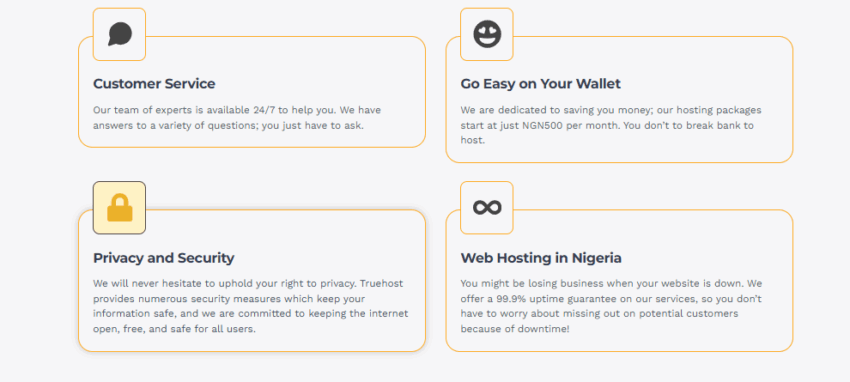
- Firewalls
- SSL encryption
- Malware scans
And trust me, they’re necessary.
Even small Nigerian sites get hit with DDoS attempts, like hackers don’t discriminate.
4. Caching and CDN — Bringing Your Content Closer
A CDN works like delivery riders stationed across Africa.
Instead of your site files traveling from one distant server, CDNs store copies closer to your visitors.
At Truehost, our CDN nodes in Lagos and Johannesburg cut load times by up to 60%.
Your visitors barely feel the distance.
5. Sending the Page Back — Smooth Delivery
Finally, everything gets packaged and sent back to your visitor.
If your site gets a rush of visitors, maybe your recipe goes viral, load balancers make sure no single server gets overwhelmed.
For Example
Take Jumia. With millions of visitors every month, their hosting setup keeps checkout pages loading in under 3 seconds.
That one optimization alone boosts conversions by 32%.
That’s the kind of behind-the-scenes magic that makes or breaks online businesses in Nigeria.
Why Many Nigerians Struggle on International Hosting
Here’s the truth, if your host is in the U.S. or Europe, you’re fighting against:
- Higher latency
- Unpredictable dollar pricing
- Traffic bottlenecks during busy hours
Your site feels slower, and your wallet feels lighter.
Why Truehost Handles Nigerian Traffic Better
We keep things local:
- Local routing
- Naira billing
- Servers optimized for Nigerian networks and mobile traffic
This results into a smoother, faster, safer experience for your visitors, and less stress for you.
3) Types of Hosting Services (And Which One Fits You)
Web hosting companies offer different “tiers,” depending on your needs.
Think of it like choosing transport:
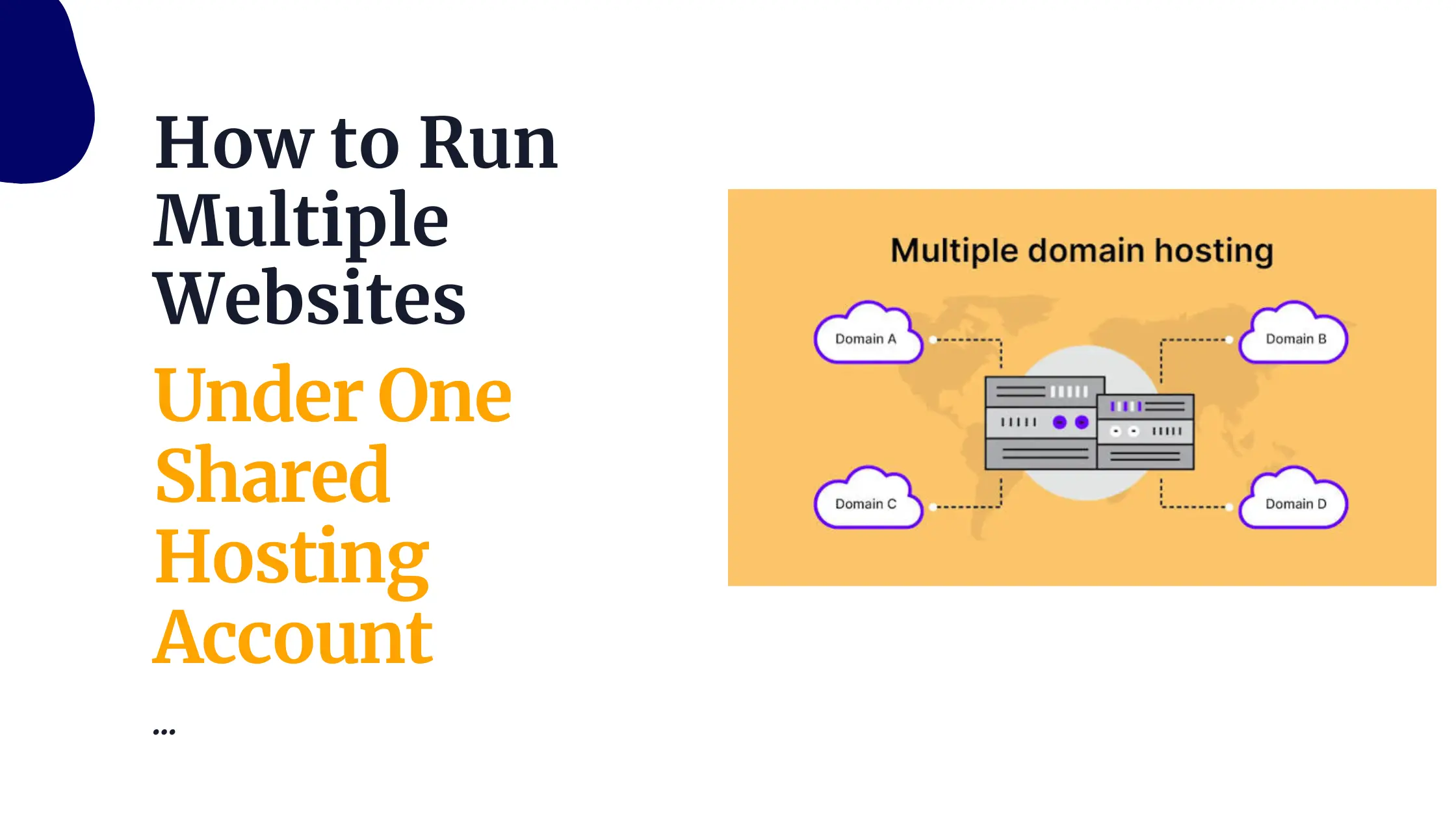
Shared Hosting — the Danfo
Cheap, simple, gets you where you need to go.
It’s perfect for new bloggers, small business sites, and portfolios.
You share the server with others, just like riding in a packed Danfo.
It’s fine when traffic is light, but if your “neighbors” start hogging resources, your site can slow down.
VPS Hosting — The Uber Comfort
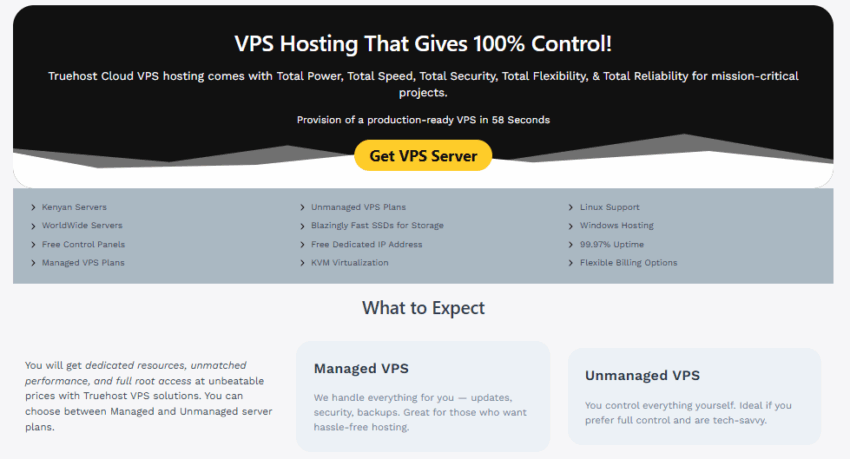
This is a step up, more control and more power.
It’s ideal for growing e-commerce shops, SMEs, and high-traffic blogs.
You get dedicated slices of CPU and RAM. No noisy neighbors, no surprises, and your site stays fast even when traffic spikes.
Dedicated / Cloud Hosting — The Private Chauffeur
This one is a top-tier performance for serious traffic.
It’s best for large companies, government sites, and big brands needing auto-scaling.
It also costs more, but handles heavy traffic without breaking a sweat, think of it as your personal chauffeur, always on call.
The Nigerian Reality Check
Many global hosts charge in dollars. One Naira dip and your monthly bill can double overnight.
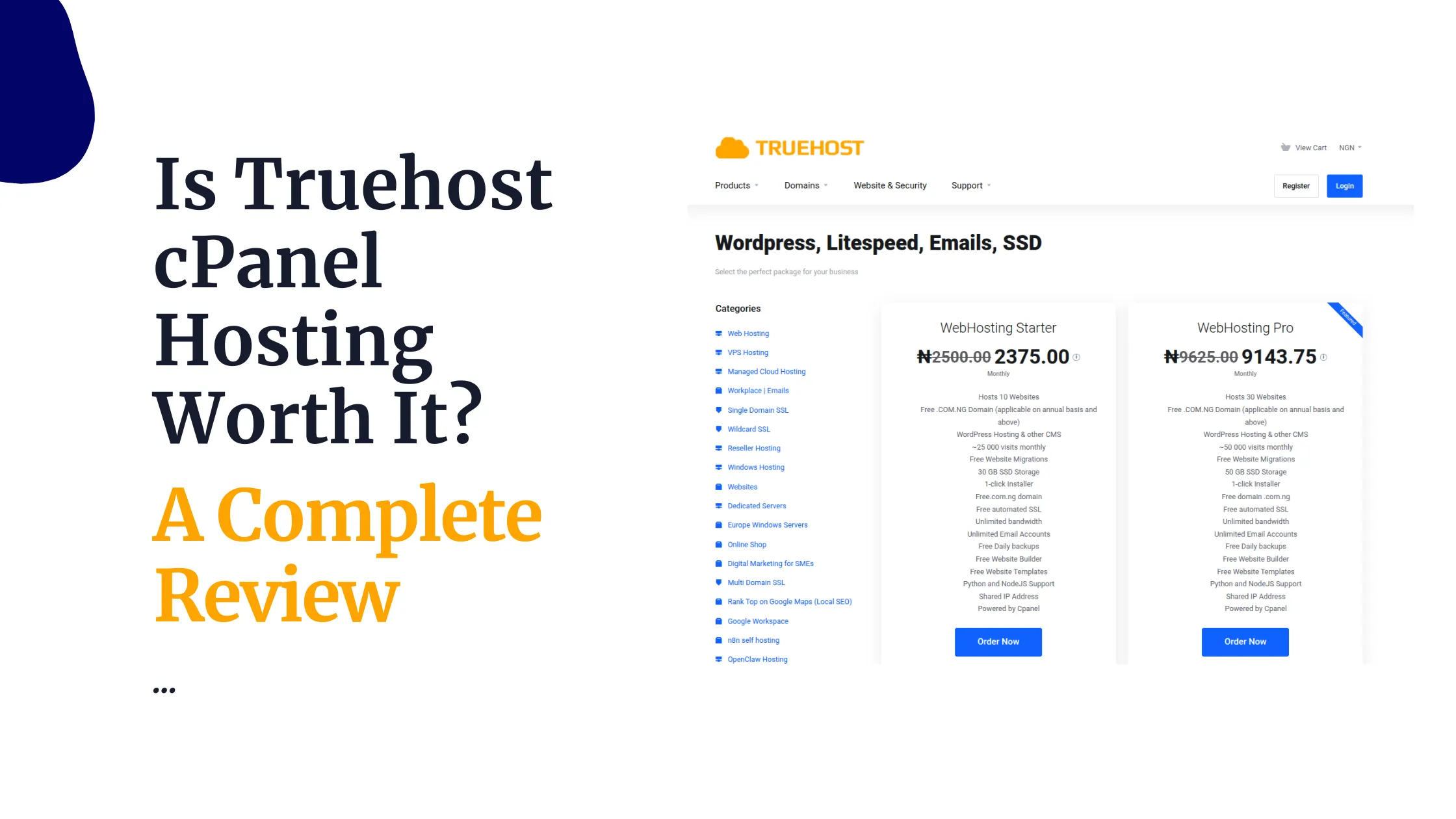
Local hosts like Truehost bill in Naira, offer free .ng domains, and optimize for Nigerian networks.
For most Nigerian freelancers and SMEs, VPS hits the sweet spot: powerful, secure, and scalable without being overwhelming.
4) What Makes a Hosting Company Stand Out? Features to Look For
Here’s what truly separates great hosting from stress-inducing hosting:
What Good Hosting Companies Offer
- Rock-solid uptime – 99.99% or higher, with compensation if they slip. Downtime costs money and clients.
- 24/7 local support – WhatsApp-friendly, right in your timezone, no waiting for someone in the U.S. to wake up.
- Free migrations – Move your site without downtime or drama.
- Security built in – Free SSL, malware protection, and firewalls so you don’t have to worry.
- One-click installs – WordPress, e-commerce stores, or blogs ready to go.
- Scalable plans – Grow your business without needing a full site overhaul.
Red Flags to Watch Out For
- Hidden renewal costs that double your bill after the first year.
- SLA guarantees below 99.9%.
- Support only during U.S. office hours.
- No local data centers, leading to slower load times.
- Dollar-only billing—one Naira dip and your costs spike.
With Truehost, everything is designed for Nigerian users:
- NVMe storage for lightning-fast loads
- Renewable-energy backups to beat power issues
- Naira billing, no forex stress
- NDPR-compliant security
In short: fast, secure, local, and stress-free, exactly what you need to focus on growing your business, not fixing tech headaches.
5) The Business Side: Pricing, Contracts & Getting Started
Hosting is still a business, so understanding pricing helps you avoid surprises.
Typical Price Ranges in Nigeria
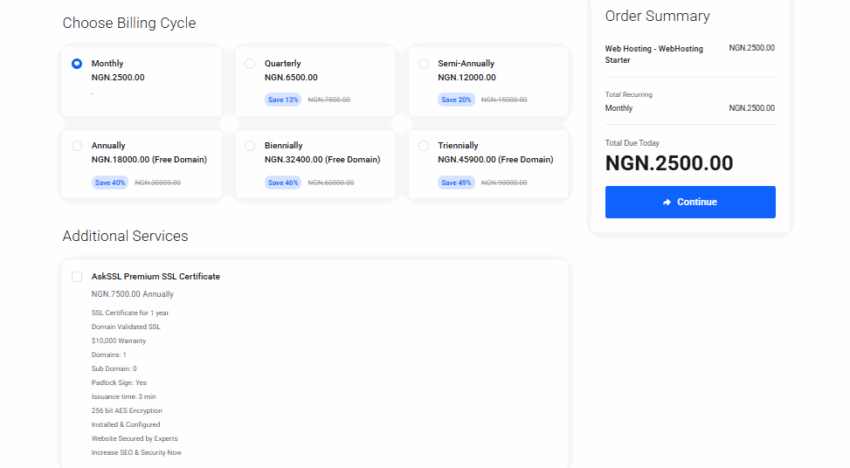
- Shared Hosting: From ₦1,275/month – perfect for small blogs or portfolios.
- VPS Hosting: ₦8,000–₦350,000/month – ideal for growing e-commerce shops or busy sites.
- Dedicated/Cloud Hosting: ₦91,000+ – for big brands, government sites, or high-traffic e-shops.
Extras like more storage, premium backups, or CDN services can add a bit to your bill, so always check the breakdown.
Why Truehost Makes It Simple
- No shocking renewal hikes—no 200% increases after year one.
- Pay in Naira, no forex stress.
- Flexible monthly or yearly plans.
- 30-day money-back guarantee if things don’t feel right.
Getting Started Is Easy
- Head to truehost.com.ng
- Pick a plan that matches your traffic and needs
- Register a .ng domain or transfer your existing one
- Pay via card, bank transfer, or Flutterwave
- Launch your site, your dashboard handles the rest
Wrapping It Up: Power Your Site Like a Pro
Now you’ve seen how web hosting companies work, from the basics to the behind-the-scenes traffic flow, the hosting types, and the features that actually matter in Nigeria.
Alway note that local hosting wins. It’s faster for your audience, cheaper in Naira, and fully tuned for our reality.
If you’re thinking of getting a site or starting a hosting business, you know what to expect.
And with the right hosting partner, you’ll get it just right.
If you want to try out, visit truehost.com.ng for a free consultation and a 30-day trial.
Let’s build something epic together. Your first visitor is already on the way.