 Domain NamesFind and register your ideal domain name instantly.
 Web HostingEasy-to-use hosting powered by cPanel — ideal for managing websites in Nigeria.
 Windows HostingRun .NET apps with Windows-optimized hosting
 Affiliate ProgramMake money promoting our services
 Reseller HostingMake money by reselling our hosting products under your own brand
 .COM Domains
 All DomainsExplore all supported tld domains in Nigeria
 WhoisFind out who owns any domain, as well as verify your registration details
 VPS Hosting
 Dedicated ServersReimagine your site speed with your own complete server
 AI Website BuilderDesign your site with drag-and-drop tools
 Online Store BuilderStart your online shop without code
 Support PortalFind answers or get expert help
 Contact UsReach our team via chat or email
 BlogRead our extensive guides on web hosting and more
Finding the right ecommerce web hosting can make or break your online store in Nigeria. Trust me, I’ve seen too many businesses lose customers because their website loads slower than molasses.
Your hosting choice affects everything. Page speed, security, sales conversions, they all trace back to where your site lives online. And here’s the thing: what works for a blogger in London might not cut it for an online store in Lagos.
This guide walks you through the best ecommerce hosting options for Nigerian entrepreneurs. You’ll learn what features matter, which providers deliver, and how to avoid costly mistakes that could sink your online business before it even starts.
Why Your Ecommerce Web Hosting Choice Matters More Than You Think
Let’s get real for a second. Your hosting provider is like the foundation of a building. You can have the fanciest storefront and best products, but if your foundation is weak, everything crumbles.
Nigerian online shoppers are impatient. Can you blame them? Data costs money here. Nobody wants to waste megabytes waiting for your product page to load.
Speed Affects Your Bottom Line
Here’s something that’ll surprise you. Every second of delay in page loading reduces conversions by about 7 percent. That’s not just some random statistic, it’s money leaving your pocket.
Your ecommerce web hosting determines how fast your pages load. Shared hosting on servers in Europe? Your Lagos customers will wait. And wait. And then they’ll leave.
Local or regionally optimized hosting changes everything. Pages snap into view. Customers stay engaged. Sales happen.
Payment Integration Is Non-Negotiable
You know what frustrates me? Seeing Nigerian store owners struggle with payment gateways because their hosting provider doesn’t play nice with Paystack or Flutterwave.
Your ecommerce web hosting needs to support local payment processors. Period. Nigerians want to pay with bank transfers, cards, and mobile money. Your hosting should make that seamless, not complicated.
Currency display matters too. Showing prices in Naira builds trust with Nigerian customers. Some hosting platforms handle this better than others.
Security Keeps Customers Coming Back
Would you buy from a website that screams Not Secure in the address bar? Neither would your customers.
SSL certificates are mandatory now. They encrypt customer data during transactions. Most quality ecommerce web hosting plans include free SSL certificates, but you need to verify this upfront.
PCI compliance is another layer. If you’re handling card payments directly, your hosting environment must meet these security standards. Otherwise, you’re exposing yourself to massive liability.
Features That Separate Good Ecommerce Web Hosting From Great
Not all hosting is created equal. Some providers throw around fancy marketing terms while delivering subpar service. Let’s cut through the noise.
1) Uptime Is Your Store’s Heartbeat
Your store needs to be open 24/7. Anything less than 99.9 percent uptime is unacceptable for ecommerce web hosting.
Think about it. If your store goes down for just one hour per day, that’s losing about 4 percent of potential sales. Over a month? That adds up fast.
Check providers’ uptime guarantees. Better yet, look for independent monitoring reports. Talk is cheap; verified uptime data isn’t.
2) Bandwidth and Storage Need Room to Grow
Starting small is fine. But your ecommerce web hosting should scale with you.
Product images eat storage. Videos devour bandwidth. If you’re selling fashion, electronics, or anything visual, you’ll need generous limits.
Here’s my rule: whatever storage you think you need, double it. You’ll thank me later when you’re adding your 500th product and not scrambling for an upgrade.
3) Server Location Changes the Game
Physics doesn’t care about marketing promises. Data traveling from London to Lagos takes time. Data traveling from Lagos to Lagos? Much faster.
Content delivery networks help. They cache your site across multiple global locations. But nothing beats having your primary server close to your customers.
Several providers now offer African data centers. For Nigerian ecommerce web hosting, this is golden. Your site loads faster, customers are happier, and Google rewards faster sites with better rankings.
4) Platform Compatibility Saves Headaches
Are you Team WooCommerce or Team Shopify? Maybe you prefer Magento or PrestaShop?
Your ecommerce web hosting must support your chosen platform smoothly. One-click installers are nice, but proper optimization matters more.
WordPress with WooCommerce needs different resources than Magento. Make sure your host understands your platform’s specific requirements.
5) Support When Things Go Sideways
Something will break eventually. That’s not pessimism—it’s reality.
When your checkout page stops working at 11 PM on a Friday, you need help NOW. Not Monday morning. Not after submitting three support tickets.
Look for 24/7 support. Bonus points if they understand the Nigerian market and business hours. Even better if they offer phone support instead of just email tickets.
Top Ecommerce Web Hosting Plans for Nigerian Online Stores
Let me walk you through the providers that actually deliver for Nigerian businesses. These aren’t just random picks—they’re based on real performance, features, and value.
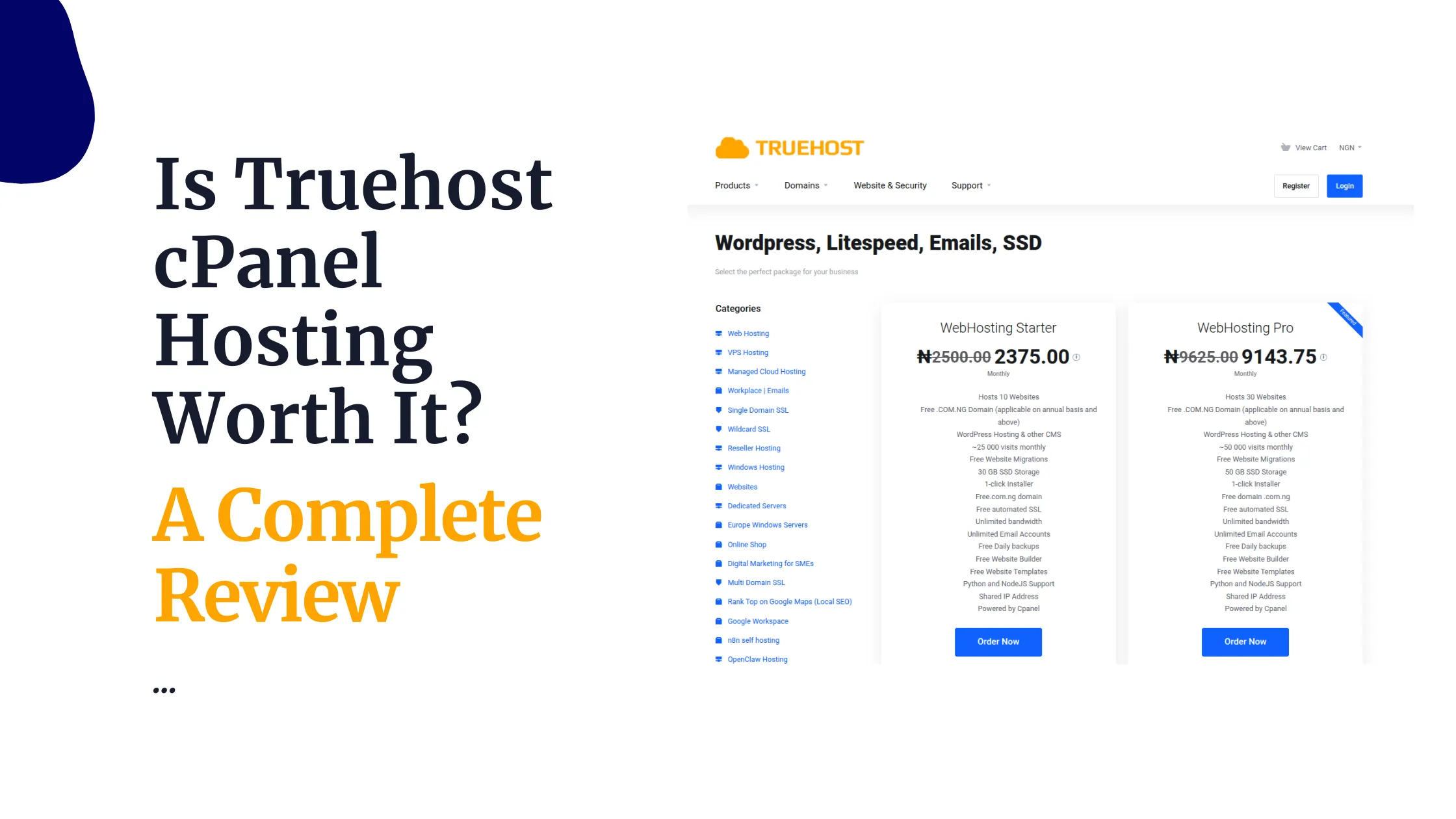
I) Truehost Nigeria: Best Local Option
Truehost.com.ng brings something special to Nigerian ecommerce web hosting. They’ve got local data centers, which means your site loads faster for Nigerian customers than international alternatives.
Pricing starts around ₦3,500 monthly for basic plans. That’s affordable for startups testing the waters.
What you get:
- Free SSL certificate included
- Daily automatic backups
- Local payment gateway support
- Nigerian customer service team
- 99.9% uptime guarantee
The real win? They understand Nigerian business needs. Setting up Paystack or Flutterwave takes minutes, not hours of technical headaches.
Best for: Small to medium Nigerian stores wanting local support and fast loading speeds.
II) SiteGround
If you’re running WordPress with WooCommerce, SiteGround deserves your attention. They’ve optimized their ecommerce web hosting specifically for this combination.
Plans start around $25 monthly (roughly ₦40,000 depending on exchange rates).
What makes them special:
- Automatic WooCommerce updates
- Built-in caching for faster speeds
- Free CDN through Cloudflare
- Excellent customer support
- Daily backups included
Their servers aren’t in Nigeria, but they use strong CDN coverage across Africa. Load times stay competitive.
Best for: Serious WooCommerce stores willing to pay more for premium performance.
Hostinger: Budget Champion
Tight budget? Hostinger offers surprisingly solid ecommerce web hosting without breaking the bank.
Starting at just $2.99 monthly (around ₦4,800), it’s one of the most affordable options.
Features include:
- Free domain for first year
- Free SSL certificate
- WordPress and WooCommerce compatible
- Weekly backups
- 99.9% uptime promise
You’re making some trade-offs at this price point. Support isn’t quite as responsive. Server speeds are good, not great. But if you’re bootstrapping your store, Hostinger gets you online fast and cheap.
Best for: Absolute beginners and tight budgets.
III) Kinsta
Kinsta plays in a different league. Their managed WordPress ecommerce web hosting starts around $35 monthly (approximately ₦56,000).
Why pay more?
- Google Cloud infrastructure
- Automatic scaling during traffic spikes
- Expert WordPress support team
- Free CDN and premium DNS
- Staging environments for testing
This is overkill for most new stores. But if you’re doing serious volume or planning rapid growth, Kinsta handles it effortlessly.
Their servers aren’t local, but Google’s infrastructure ensures solid African connectivity.
Best for: Established stores with healthy revenue and growth ambitions.
III) Cloudways
Cloudways offers a unique approach to ecommerce web hosting. You pick your cloud provider (DigitalOcean, AWS, Google Cloud), and they manage it.
Pricing starts around $14 monthly (roughly ₦22,000).
Key benefits:
- Choose server location (including African options)
- Easy scaling as you grow
- Free SSL and migrations
- Multiple ecommerce platforms supported
- Pay-as-you-grow pricing
The control panel takes some learning. But once you’re comfortable, you’ve got serious power and flexibility.
Best for: Tech-savvy store owners wanting maximum control.
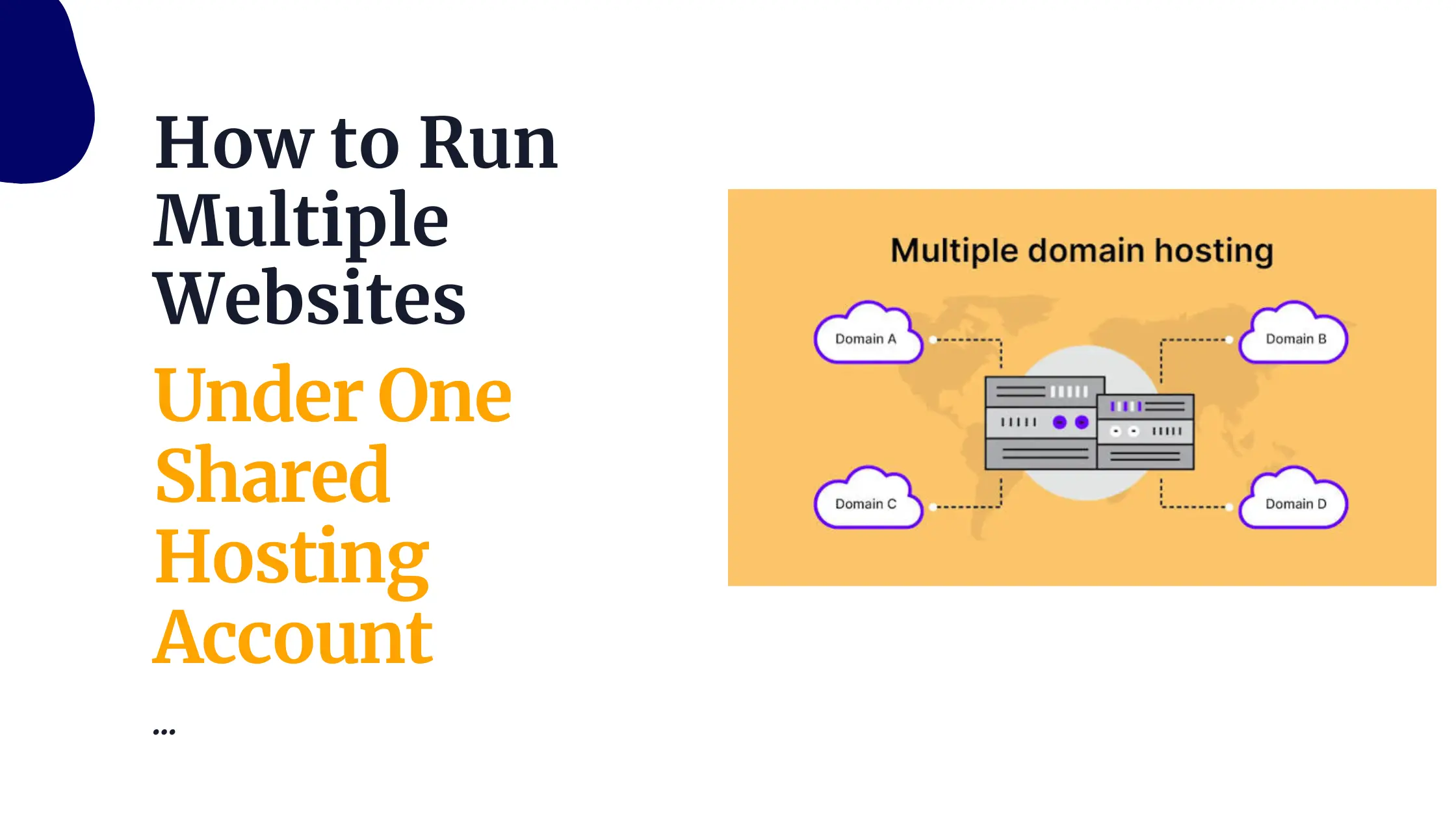
Shared, VPS, or Dedicated
This decision confuses many Nigerian entrepreneurs. Let me simplify it.
Shared Hosting Works for Starters
Think of shared hosting like renting a room in a flat. You share resources with other websites.
Pros:
- Cheapest option (₦1,000 to ₦8,000 monthly)
- Easy to set up
- Provider handles technical stuff
- Perfect for new stores
Cons:
- Limited resources
- Other sites can slow you down
- Less control over settings
If you’re just launching your ecommerce web hosting journey, shared hosting makes sense. You can always upgrade later.
VPS Gives You Growing Room
VPS hosting is like owning a condo. You share the building, but your space is yours alone.
When to upgrade:
- Getting over 5,000 monthly visitors
- Running promotional campaigns
- Adding resource-heavy features
- Noticing slowdowns during peak times
Expect to pay ₦15,000 to ₦50,000 monthly. The investment pays off through better performance and customer experience.
Dedicated Hosting for Serious Operations
This is your own house. All resources belong to you.
Most Nigerian stores won’t need dedicated ecommerce web hosting initially. It’s expensive (₦80,000+ monthly) and requires technical knowledge.
Consider it when:
- Handling thousands of daily transactions
- Storing sensitive customer data
- Running multiple high-traffic stores
- Requiring custom server configurations
Setting Up Your Store After Choosing
Making Your Final Decision
You’ve got the information. Now comes the choice.
Match your ecommerce web hosting to your current situation, not your dreams. Starting out? Shared hosting works fine. Already processing sales? Invest in VPS or better.
Consider where your customers live. Mostly in Nigeria? Local hosting like Truehost.com.ng makes sense. Pan-African audience? Look for providers with continent-wide CDN coverage.
Budget matters, but value matters more. The goal isn’t spending the least—it’s getting the best return on your hosting investment.
Read recent reviews. Not just on the provider’s site, but on independent platforms like Trustpilot. Real customer experiences reveal what marketing won’t tell you.
Start with a plan you can afford. Almost every ecommerce web hosting provider offers easy upgrades. You’re not locked in forever.
Test the support before committing. Send a pre-sales question. How quickly do they respond? Is the answer helpful or generic?
Your ecommerce web hosting is an investment in your business future. Choose wisely, but don’t overthink it. The best time to start was yesterday. The second best time is now.
Get your store online. Start making sales. Adjust as you learn and grow.