 Domain NamesFind and register your ideal domain name instantly.
 Web HostingEasy-to-use hosting powered by cPanel — ideal for managing websites in Nigeria.
 Windows HostingRun .NET apps with Windows-optimized hosting
 Affiliate ProgramMake money promoting our services
 Reseller HostingMake money by reselling our hosting products under your own brand
 .COM Domains
 All DomainsExplore all supported tld domains in Nigeria
 WhoisFind out who owns any domain, as well as verify your registration details
 VPS Hosting
 Dedicated ServersReimagine your site speed with your own complete server
 AI Website BuilderDesign your site with drag-and-drop tools
 Online Store BuilderStart your online shop without code
 Support PortalFind answers or get expert help
 Contact UsReach our team via chat or email
 BlogRead our extensive guides on web hosting and more
You know that moment when you’re finally ready to build your website… and then you hit the wall of “Which hosting company should I choose?”
It’s stressful. And honestly? You’re not alone.
Most people don’t realize this until they start the process. Your website is only as strong as the web hosting behind it. When hosting is slow, your entire site drags. A server crash means your business instantly goes offline. And when support isn’t there, you’re left dealing with issues you shouldn’t have to fix on your own.
It’s frustrating, and it can cost you customers.
That’s why finding the top web hosting companies matters more than anything else in your setup. A good host gives you fast loading speeds, strong uptime, and real support when things go wrong. A bad one gives you excuses.
And here’s where it gets even more personal: We see this every day at Truehost. Nigerian business owners, students, creators, and startups reach out after struggling with unreliable hosts, missed sales, broken sites, emails that won’t send, and hours lost trying to “figure it out.”
We understand how stressful it is.
We also know you deserve better.
So this guide breaks down the leading global hosting companies in a simple, clear way. From launching your first blog to expanding a growing brand, you’ll see exactly what each host offers and what’s truly worth your money, helping your website start with a strong, stable foundation.
What Is Web Hosting, Really?
Web hosting is just the home where your website lives. Every picture, word, and line of code needs a place to stay, and that place is a server owned by a hosting company.
When someone types your domain name into their browser, your host is the one sending your website’s files to that person instantly. Without hosting, your site has nowhere to live, and no one would ever see it.
Think of it as renting space online so your business, blog, or brand can be open 24/7.
Key Factors of a Great Web Host
A good web host doesn’t just store your files. A great one keeps your website fast, safe, and always available. Here’s what to look for:
a) Uptime Guarantee
This is how often your site stays online.
Aim for 99.9% uptime or higher; anything less means visitors may find your site down when they need it most.
b) Speed and Performance
People hate slow websites, and so does Google.
Choose a host with modern tech like SSD storage, LiteSpeed servers, and optimized caching. These make your pages load quickly and keep users happy.
c) Security Features
Your site needs protection from hackers and bots.
Look for essentials like:
- Free SSL Certificate (keeps data safe)
- Firewalls
- Malware scanning
These tools keep your website and your visitors secure.
d) Customer Support
At some point, something will go wrong.
That’s why you need a host with 24/7 expert support, whether by live chat, phone, or ticket.
Good support can save your site in minutes.
e) Scalability
As your business grows, your hosting should grow with you.
A great host makes it easy to upgrade to more space, more speed, or even a more powerful plan, without starting from scratch.
The Main Types of Web Hosting Explained
Web hosting isn’t a “one-size-fits-all” service. Different websites need different levels of power, speed, and control. Think of it the same way you’d think about choosing where to live. Your choice depends on your needs, your budget, and your long-term plans.
Below is a simple breakdown to help you understand each hosting type and who it’s really meant for.
1) Shared Hosting
Shared hosting is the most common and budget-friendly option.
Analogy:
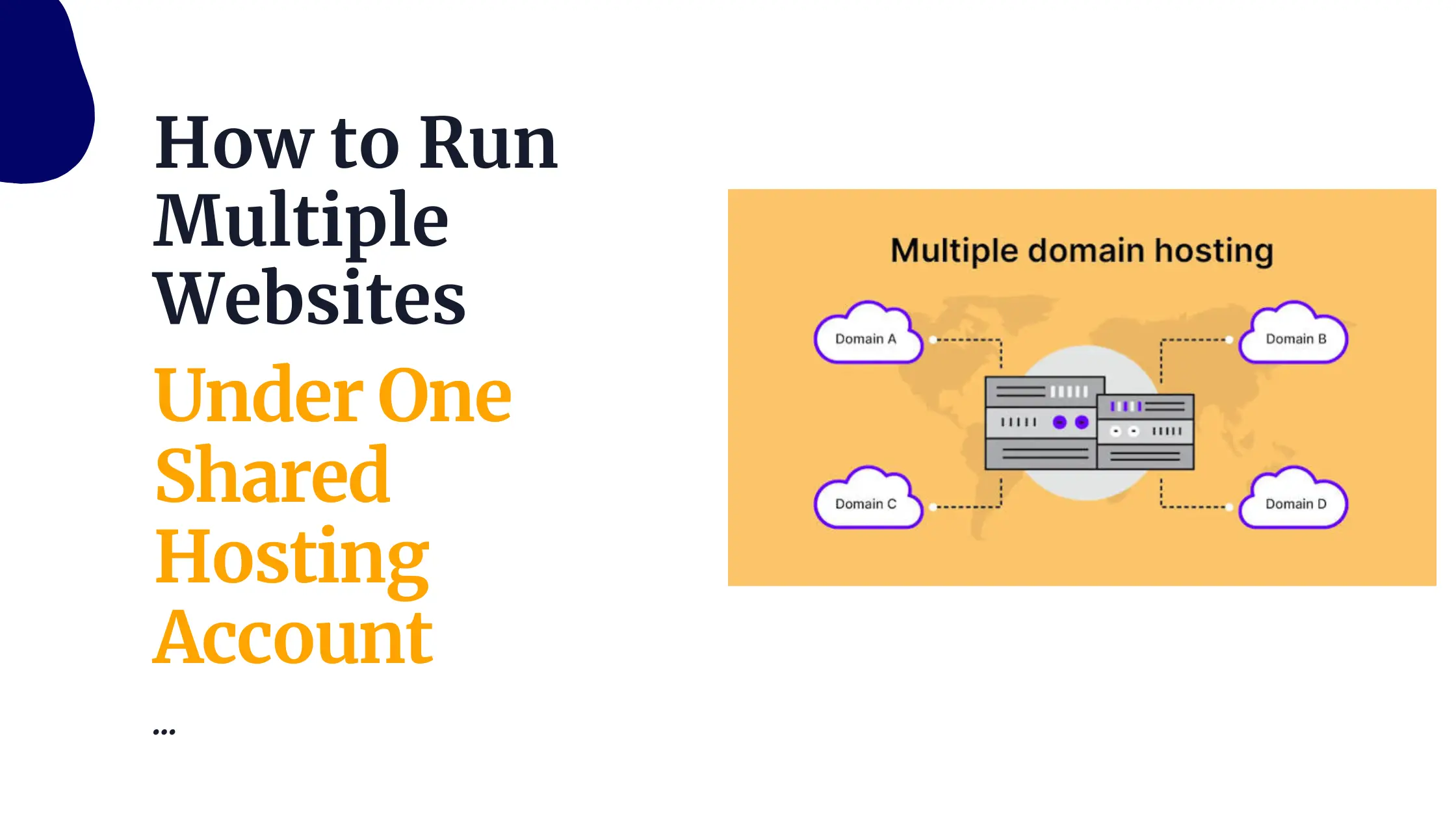
Imagine living in a big apartment building. You have your own space, but you share the main resources, water, electricity, and security with many other tenants. That’s exactly how shared hosting works. Many websites live on one server and use the same pool of resources.
Who it’s for:
Beginners, new bloggers, personal sites, and small business websites that don’t get heavy traffic.
Pros:
- Very affordable
- Easy to set up and manage
- Perfect for getting your first website online
Cons:
- If another “neighbor” on the same server gets a lot of traffic, your site may slow down
- Not ideal for fast-growing or resource-heavy websites
2) Virtual Private Server (VPS) Hosting
VPS hosting splits one physical server into multiple virtual “mini-servers.” Each one acts like its own independent system.
Analogy:
This is like owning a condo. You’re still in a shared building, but you have your own private, locked-off unit with guaranteed resources. No one else can touch your RAM, CPU, or storage. It’s a big step up from a shared apartment.
Who it’s for:
Growing businesses, developers, and websites that need more speed, stability, or customization.
Pros:
- Better performance and reliability than shared hosting
- You get more control (including root access)
- Ideal for scaling websites
Cons:
- More expensive than shared hosting
- Requires a bit more technical knowledge
3) Dedicated Hosting
Dedicated hosting gives you an entire physical server, all for yourself.
Analogy:
Think of it as owning a full, detached house. No neighbors, no sharing, nor compromises. Every resource, memory, processing power, and storage is 100% yours.
Who it’s for:
Large companies, high-traffic eCommerce stores, web applications, and organizations with strict security needs.
Pros:
- Maximum speed and performance
- Highest level of security
- Full control over the server environment
Cons:
- Very expensive
- Requires strong server management skills (or a dedicated IT team)
4) Cloud Hosting
Cloud hosting uses a network of multiple servers working together. Your site doesn’t sit on just one machine; it lives in a cluster.
Analogy:
Picture the national power grid. If one power station fails, electricity doesn’t go off instantly because other stations take over. That’s how cloud hosting works. If one server has a problem, another picks up the load.
Who it’s for:
Websites that can’t afford downtime, large online stores, growing brands, news platforms, or websites expecting sudden traffic spikes.
Pros:
- Extremely reliable
- Easy to scale up as you grow
- You often pay only for the resources you use
Cons:
- Pricing can be harder to predict or understand compared to fixed shared/VPS plans
Top Web Hosting Companies Globally
Finding the right hosting provider can feel overwhelming, especially when every company claims to be “the best.” But when you look closely at the top web hosting companies around the world, a few brands consistently stand out.
They dominate because they deliver the same things you care about: speed, reliability, and real support when something breaks at the worst possible moment.
Below is a breakdown of the top global hosting providers, what they’re great at, and who they’re truly built for.
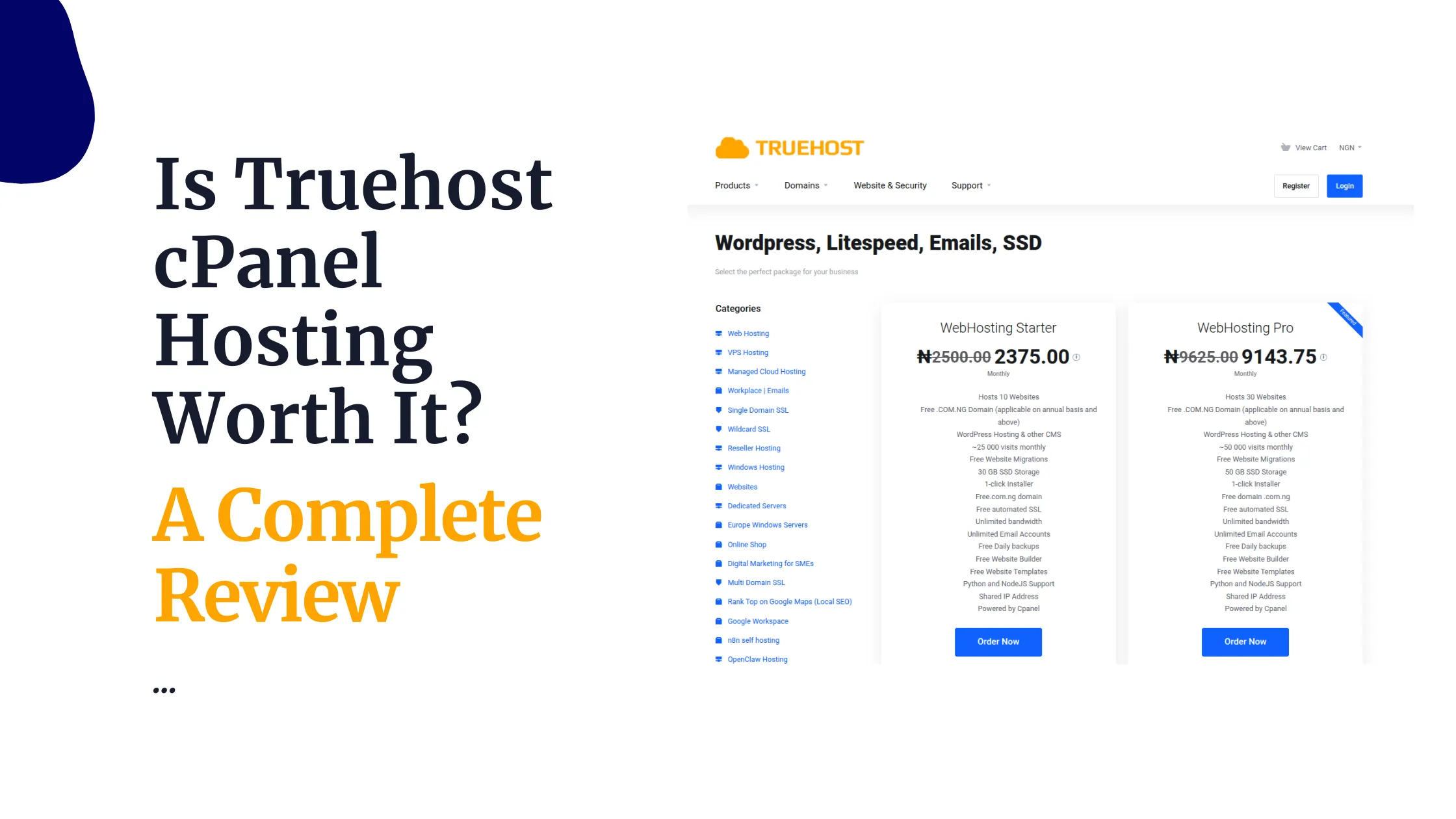
1) Truehost
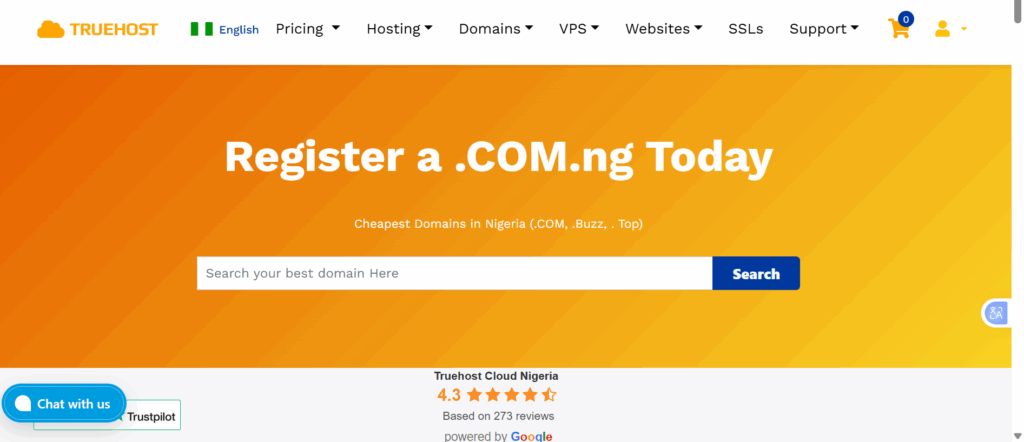
Best for: businesses, creators, and individuals in Nigeria.
Truehost NG is a strong local option for anyone building a website for a Nigerian audience. You get local billing, local support hours, and WordPress-optimized hosting designed to load fast across the region.
Truehost also offers some of the cheapest web hosting in Nigeria, making it easy for beginners and small businesses to get online without stress.
Pros:
- Local billing and Nigerian customer support
- Fast and optimized plans for WordPress
- 30-day money-back guarantee
- One of the most affordable hosting providers in the country
Cons:
- Fewer global data-center locations compared to international giants
Recommendation:
Choose Truehost NG if your audience is primarily in Nigeria and you want flexible payments, localized support, and great value for your money.
To explore the different packages, visit: /hosting.
2) Hostinger
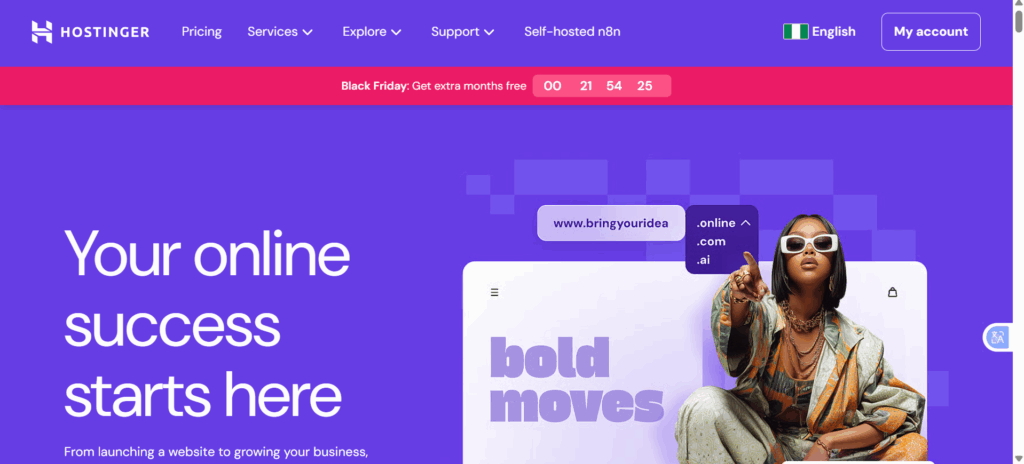
Best for: tight budgets and brand-new websites.
Hostinger is known globally for its low prices and beginner-friendly hosting environment. If you want to launch a simple blog, portfolio, or small shop without spending too much, it’s one of the easiest places to start.
Pros:
- Very low starting prices
- Clean, simple setup process
- Great for small websites and online stores
Cons:
- Entry-level plans offer limited resources
Recommendation:
Pick Hostinger if you want the lowest possible cost and a clean dashboard that’s easy to learn.
3) Bluehost
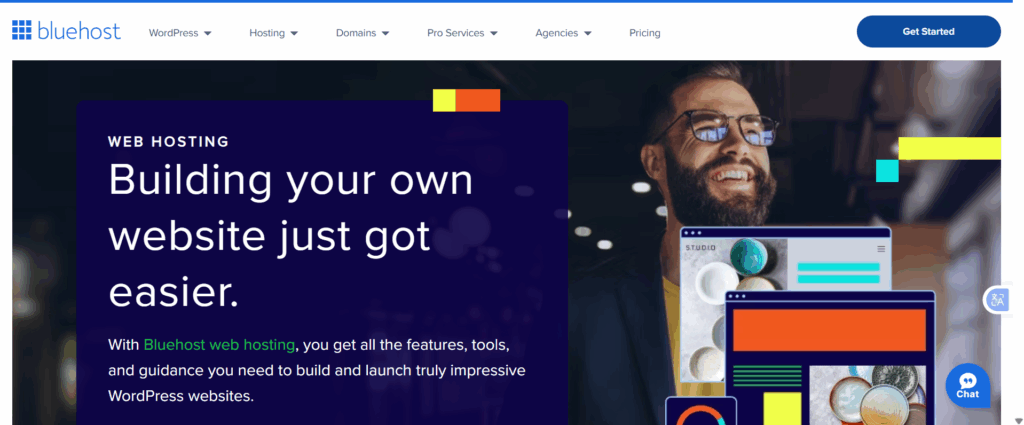
Best for: WordPress beginners and content creators.
Bluehost is one of the most recognized names in hosting, especially for WordPress. Its strength is simplicity; you can install WordPress in one click and manage your site without feeling overwhelmed.
Pros:
- Officially recommended by WordPress
- One-click installs and beginner-friendly tools
Cons:
- Renewal prices can jump after the first term
Recommendation:
A solid choice if you want a smooth, simple WordPress experience right from day one.
4) SiteGround
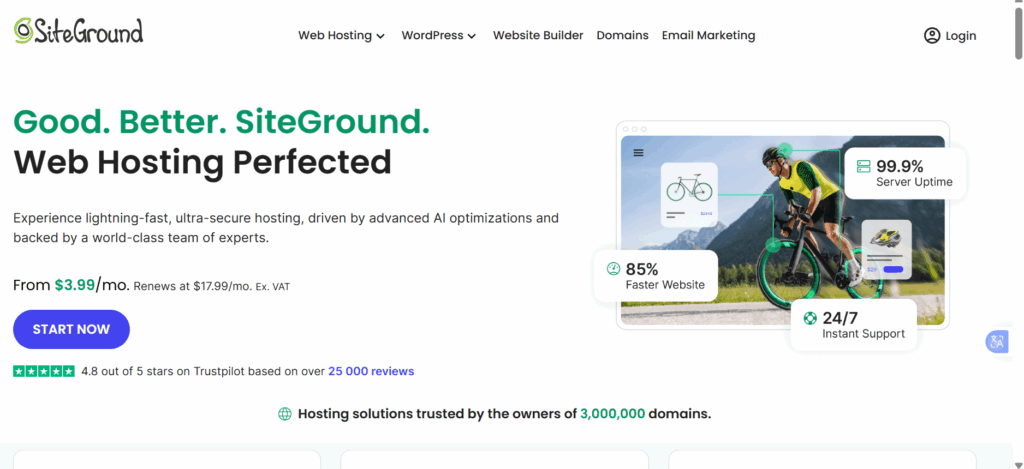
Best for: speed, security, and top-tier support.
If website performance and security are your top priorities, SiteGround consistently ranks as one of the strongest options. It’s the type of host you choose when you want a site that loads fast anywhere in the world, and you prefer responsive, knowledgeable support.
Pros:
- Excellent speed and performance
- Automated daily backups
- Highly rated customer service
Cons:
- More expensive than budget hosts
Recommendation:
Choose SiteGround if you want premium performance and support, and you’re okay paying a bit more for peace of mind.
5) Namecheap
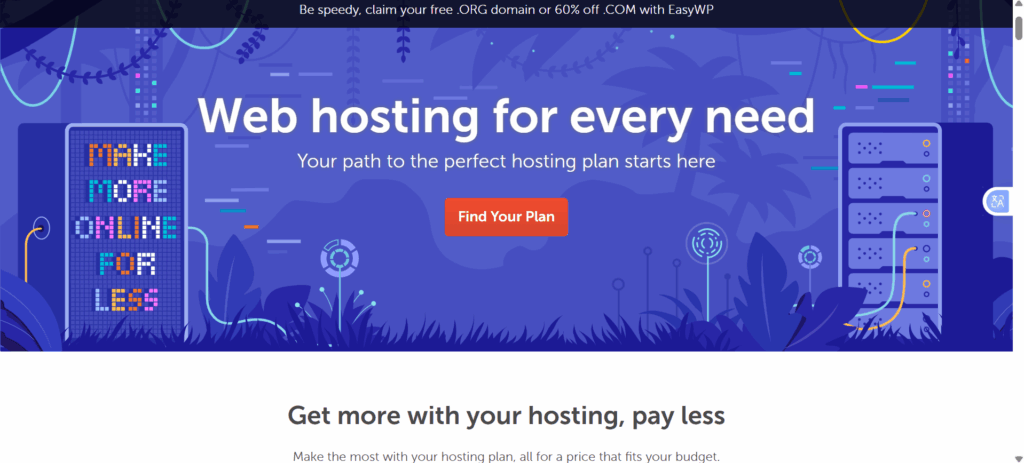
Best for: affordable domain + hosting bundles.
Namecheap is best known for domain registration, but its hosting is also a great budget-friendly option, especially if you want everything in one place. It’s straightforward to manage.
Pros:
- Cheap domain + hosting combos
- Very easy to navigate
Cons:
- Can struggle with heavy traffic
Recommendation:
Perfect for small sites or anyone who wants to buy a domain and hosting together without spending much.
6) HostGator
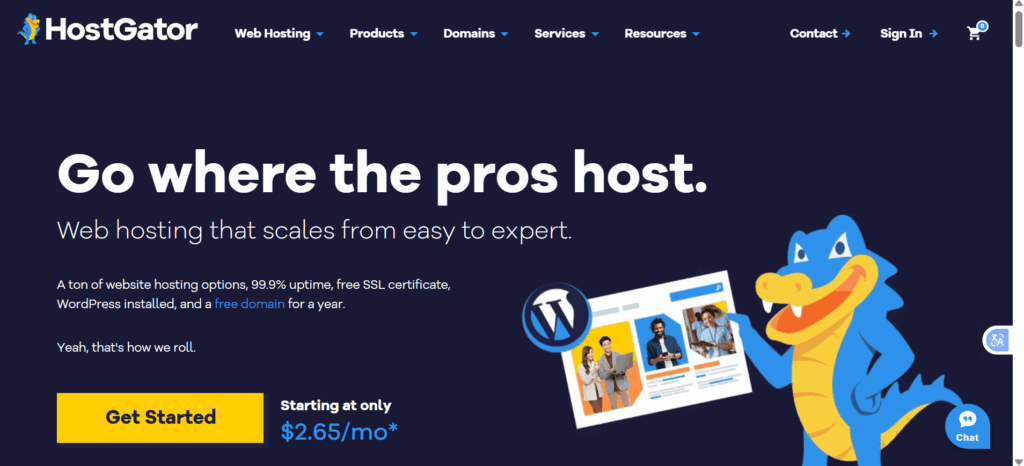
Best for: simple shared hosting and future growth.
HostGator is a long-time favorite for beginners because everything is straightforward. It also offers plenty of upgrade options, so you can move from shared hosting to VPS or even dedicated servers as your site grows.
Pros:
- Wide variety of hosting types
- 24/7 customer support
Cons:
- Basic shared plans aren’t the fastest
Recommendation:
Use HostGator if you want an easy starting point with enough room to scale your hosting as your business grows.
How to Pick the Right Web Host (Without Overthinking It)
Choosing a web host becomes much easier when you know exactly what to look for. Instead of guessing or going with the biggest brand, focus on the needs of your website and the people visiting it.
1) Where are your visitors coming from?
Your hosting location affects your site speed. When your server is closer to your audience, your pages load faster.
If most of your visitors are in Nigeria, for example, a local provider like Truehost NG gives you a speed advantage plus local support you can rely on.
2) How much traffic are you expecting?
If you’re just starting, you don’t need a high-end plan. Begin with shared hosting, then upgrade as your traffic grows.
But make sure your host offers easy upgrade paths. VPS and Cloud hosting are your best options when you start getting more visitors.
3) Do you want Managed WordPress hosting?
If your site runs on WordPress and you don’t want the stress of handling updates, security, or speed optimization, managed hosting is a huge time saver. Your host takes care of the technical work so you can focus on content or sales.
4) Is local support important to you?
For many Nigerian businesses, having a team that understands the local environment makes a big difference.
That’s where Truehost NG shines: fast responses, local billing methods, and the cheapest web hosting in Nigeria if you’re prioritizing affordability.
5) Budget vs. performance
Budget hosts help you get online quickly without spending much.
Performance-focused hosts save you headaches in the long run by keeping your site faster, safer, and more stable.
The best choice?
Start small, stay flexible, and pick a host that grows with you, not one that locks you in.
Conclusion
At the end of the day, your hosting provider becomes the quiet engine behind everything your website does. It powers your pages, keeps your visitors connected, and makes sure your business looks trustworthy every hour of the day.
So take a moment to choose wisely.
If you’re running a business, building a personal brand, or launching an online store, the right host will save you from slow loading times, random downtime, and endless technical headaches. And when your website finally starts attracting more visitors, you’ll want a host that’s ready to grow with you, not one that holds you back.
That’s exactly where Truehost NG fits in.
We understand the challenges Nigerian creators and businesses face online, including unreliable support, complicated payments, and hosts that don’t consider local needs. That’s why our team built hosting that’s fast, affordable, and backed by real humans who are ready to help.
So if you’re ready to power your website with a hosting provider that actually cares about your growth, try Truehost today.