 Domain NamesFind and register your ideal domain name instantly.
 Web HostingEasy-to-use hosting powered by cPanel — ideal for managing websites in Nigeria.
 Windows HostingRun .NET apps with Windows-optimized hosting
 Affiliate ProgramMake money promoting our services
 Reseller HostingMake money by reselling our hosting products under your own brand
 .COM Domains
 All DomainsExplore all supported tld domains in Nigeria
 WhoisFind out who owns any domain, as well as verify your registration details
 VPS Hosting
 Dedicated ServersReimagine your site speed with your own complete server
 AI Website BuilderDesign your site with drag-and-drop tools
 Online Store BuilderStart your online shop without code
 Support PortalFind answers or get expert help
 Contact UsReach our team via chat or email
 BlogRead our extensive guides on web hosting and more
Running a website in 2026 is a bit like juggling flaming torches while riding a unicycle. That makes website management tools a whole deal.
I mean, how even did people used to survive without them?
Between updates, security, performance, SEO, backups, analytics, and you can’t afford that one tiny thing breaking at 2 a.m.
Lucky enough though, today’s website management tools are smarter, faster, and way more helpful than they used to be, to match the demand.
That means fewer tabs open, fewer panic moments, and a lot more “oh wow, that was easy.”
But only if you have the right tools at hand.
So, to avoid duct-taping solutions I compiled these 10 top website management tools, that are updated enough to handle 2026 website issues.
Let’s make your website work for you!
Best Website Management Tools for 2026
Most business owners don’t have the time to manage a website, they just want it to work.
Updates should run quietly in the background, security shouldn’t keep you awake at night, and analytics should make sense without you needing a tech degree.
That’s exactly what these tools are built for.
CMS and Website Builders
Content Management System (CMS) focuses on content creation while website builders deal with design and creation of a full functioning website.
Most of these tools offer drag-and-drop builders, ready-made templates, and easy ways to connect your site to social platforms for quick sharing and visibility.
1) Truehost
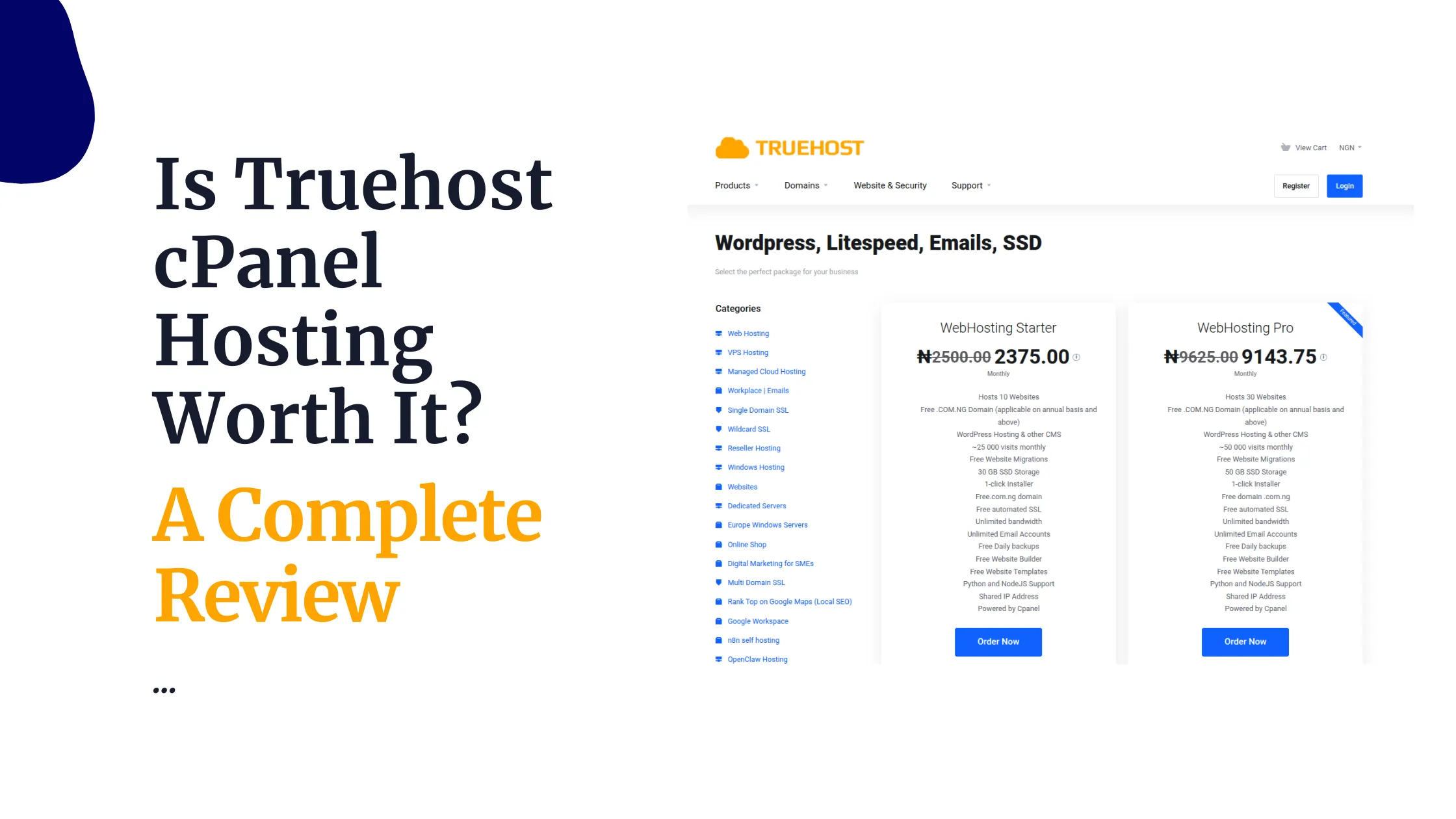
Truehost is powered by cPanel but enhanced with CMS-friendly features that work especially well for Nigerian users.
From one place, you can install popular CMS platforms in a single click, preview and manage files in real time, embed social media content, and run automatic security scans without extra setup.
Billing is in naira, support is available on WhatsApp, and you get a free .com.ng domain when you sign up.
The dashboard is included with our hosting plans, starting from ₦1,275 per month on the Starter plan when billed triennially, and scaling up to ₦9,300 per month on Unlimited hosting.
It’s designed to work best within the Truehost ecosystem, so while it’s not a standalone e-commerce platform, it’s an excellent all-in-one foundation for getting online quickly and confidently.
You can check our plans at truehost.
2) WordPress
WordPress remains the most flexible CMS available, powering everything from simple blogs to full online stores.
Its strength lies in choice, so, you can shape your site almost any way you like using themes and plugins, including WooCommerce for e-commerce and tools for social sharing, SEO, and multilingual content.
It’s free and open-source, with strong mobile responsiveness and a large local developer community in Nigeria.
WordPress also integrates smoothly with Truehost hosting through Softaculous, making setup quick and painless.
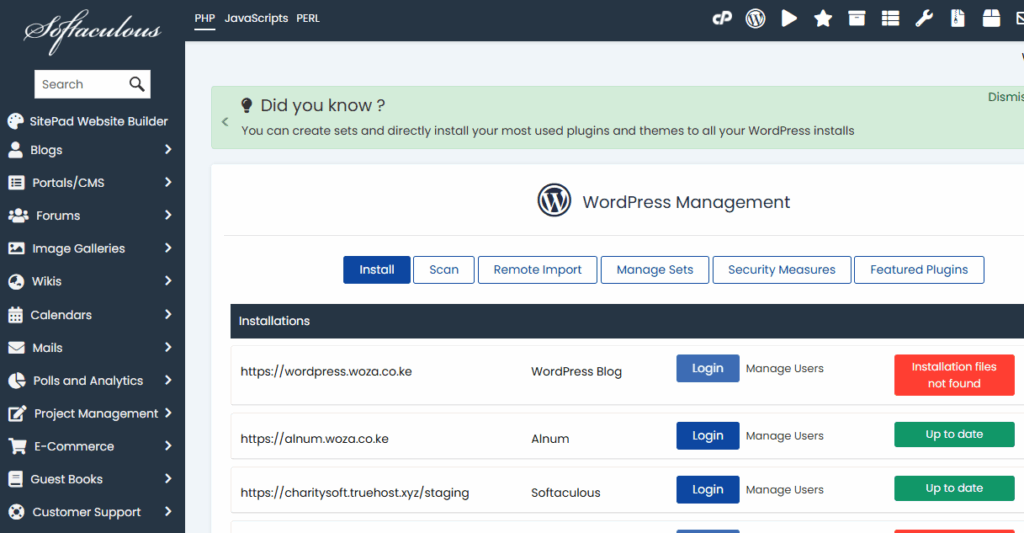
The main thing to watch is maintenance: too many plugins can slow things down, and updates need attention to keep everything secure and smooth.
The core WordPress software is free, and most premium plugins cost between ₦5,000 and ₦20,000 per year.
If you’re running multiple sites, our Pro hosting plan at ₦6,125 per month supports unlimited WordPress installations.
3) Wix
If you’re very visual and the idea of writing code makes your head hurt, Wix will feel like a breath of fresh air.
It’s is built for people who want results fast and visually.
Its AI-driven builder handles layout decisions for you, while the drag-and-drop editor lets you fine-tune things without touching code.
Hosting is included, and basic social integrations, like Facebook Pixel tracking, are easy to set up.
It automatically optimizes sites for mobile and offers built-in analytics, scheduling tools, and optional e-commerce add-ons.
The trade-off is flexibility: Wix sites are harder to move elsewhere, and costs can rise as you scale.
Pricing starts with a free plan for basics, while premium plans begin around ₦1,500 per month on the Combo plan when billed annually, payable in naira via card.
SEO and Analytics
This category is all about visibility and insight.
These tools help you understand how people find your site, what they do once they arrive, and where you can improve.
They’re especially important for ranking in local searches and staying compliant with data and privacy expectations, including NDPC considerations.
4) Semrush
Semrush is a powerful, all-in-one SEO platform designed for businesses that take search visibility seriously.
It covers keyword research, site audits, backlink tracking, competitor analysis, and even social signal monitoring, all from a single dashboard.
Its strength lies in depth.
You can uncover local keyword opportunities, audit your site for technical issues, and see exactly how you compare to competitors in your space.
It also integrates smoothly with Google Analytics, making it easier to connect traffic data with SEO performance.
The downside is that it can feel like too much if you’re running a very small site, and pricing jumps quickly as you move up plans.
The Pro plan starts at about ₦220,000 per month, with discounts available when billed annually.
If organic traffic is a major growth channel for you, Semrush provides clarity that guesswork simply can’t match.
5) Google Analytics
Google Analytics remains the foundation for understanding website performance.
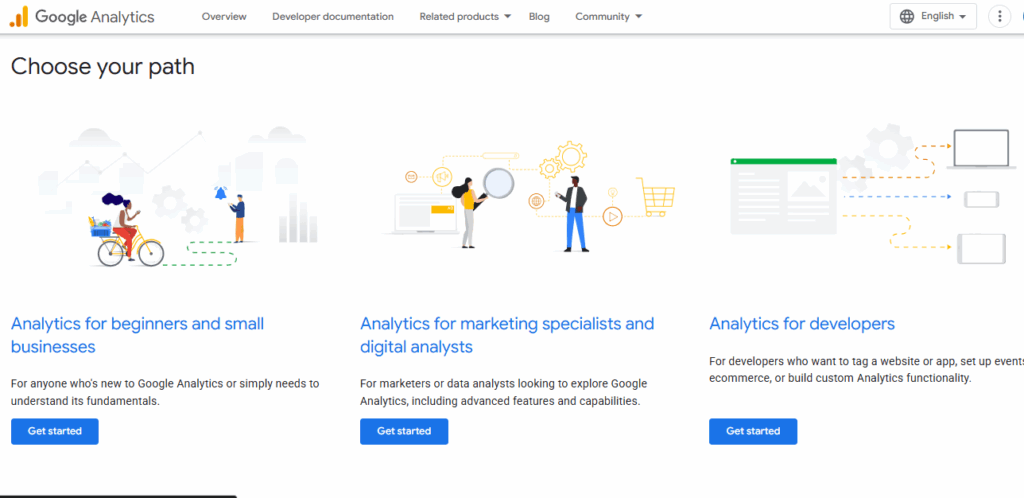
It shows you where visitors come from, how they behave on your site, and which pages or products drive conversions, including traffic from social platforms and messaging apps.
It offers real-time tracking, customizable dashboards, and detailed reports that help you spot trends quickly.
While it’s completely free, there is a learning curve during setup, especially around tagging and privacy configuration.
That said, once it’s running, it becomes an everyday decision-making tool rather than just a reporting system.
Google Analytics is free to use and integrates easily with the Truehost dashboard, making it one of the simplest yet most valuable tools in your stack.
6) Google PageSpeed Insights
Google PageSpeed Insights focuses on one thing: how fast your site loads and how that affects user experience and search rankings.
It analyzes both mobile and desktop performance and measures Core Web Vitals, which are now central to Google’s ranking signals.
The tool gives instant scores and clear recommendations, from image optimization to server response improvements.
It doesn’t fix issues for you, so some changes require developer input, but it’s an essential diagnostic tool for maintaining a fast, reliable site.
PageSpeed Insights is completely free and works best when used alongside performance-optimized hosting.
If you care about SEO, user retention, and conversion rates, speed is not optional, and this tool keeps you accountable.
Marketing and E-commerce
This category is where traffic turns into action.
These tools focus on capturing leads, automating follow-ups, managing online stores, and extending your reach through built-in social publishing and integrations.
7) HubSpot
HubSpot is a marketing platform built around relationships.
It brings together email marketing, landing pages, contact management, social scheduling, and performance tracking under one system, all tightly connected to its CRM.
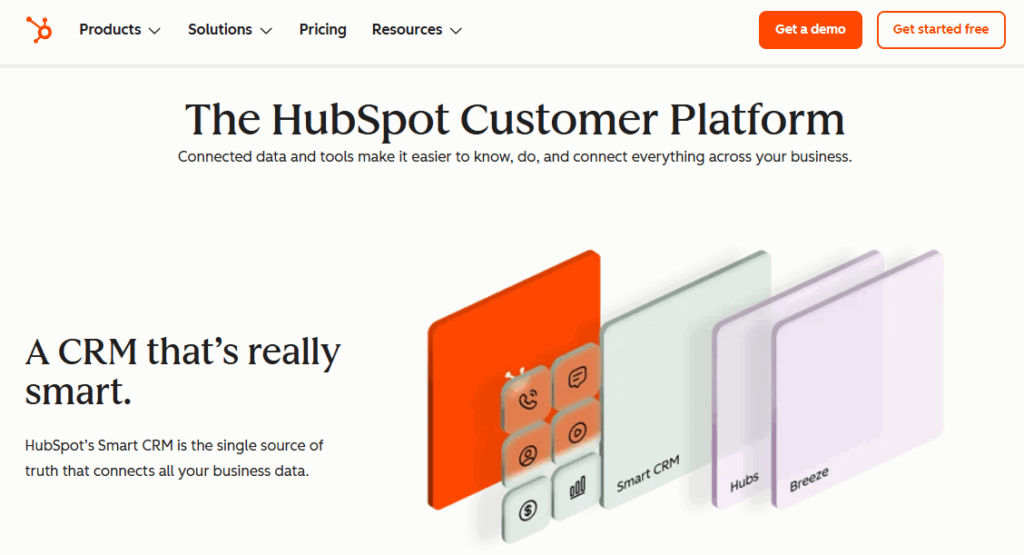
You can score leads automatically, set up workflows that respond to user behaviour, and track how social posts and campaigns contribute to conversions.
There’s a free tier that’s surprisingly usable, but costs rise as you unlock advanced automation and reporting.
HubSpot also works best when you lean fully into its ecosystem, which may feel limiting for some teams.
The core CMS is free, while professional marketing features start around ₦80,000 per month.
If your business depends on structured follow-ups, repeat customers, and measurable growth, HubSpot gives you that control in one place.
8) WooCommerce
WooCommerce is the go-to e-commerce engine for WordPress sites.
It turns a standard website into a full online store, handling products, payments, inventory, and order management while staying flexible enough to grow with your business.
It supports popular Nigerian payment gateways like Paystack and Flutterwave, offers social sharing and cart recovery extensions, and gives you full control over how your store looks and functions.
The core plugin is free, but premium extensions can add to your costs over time, and you’ll need to stay on top of WordPress updates to keep everything running smoothly.
WooCommerce itself is free to install, while paid extensions typically range from ₦80,000 to ₦320,000 per year.
If you already use WordPress and want a customizable online store without moving to a separate platform, WooCommerce is a natural fit.
Hosting Control Panels
This final category focuses on the engine room of your website.
Hosting control panels handle infrastructure, file management, backups, and security, everything that keeps your site stable, fast, and protected.
9) cPanel
cPanel remains the industry standard for managing hosting environments, and it’s the backbone of the Truehost Dashboard.
It lets you control files, databases, emails, domains, and security settings from one place, with an interface that’s powerful without being overwhelming.
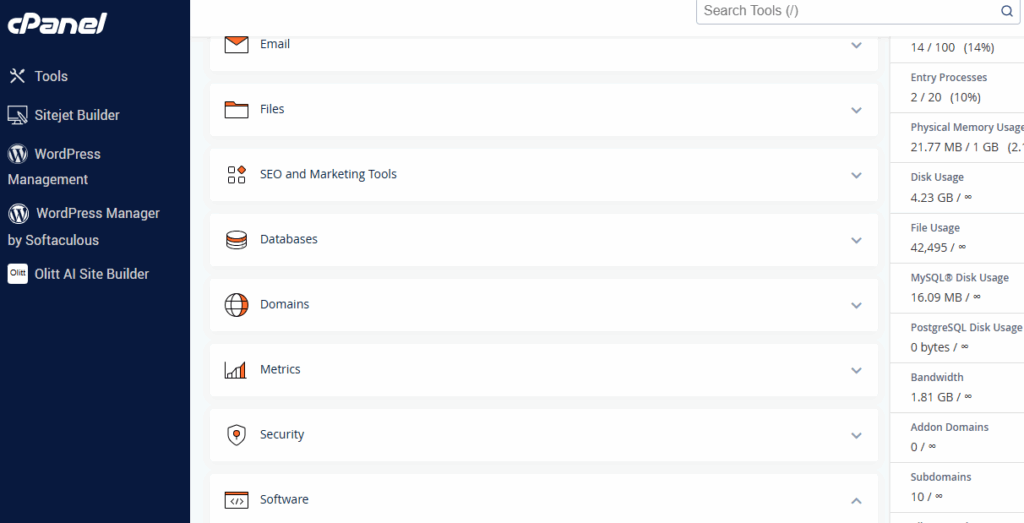
Through cPanel, you can install applications using Softaculous, scan for malware, manage backups automatically, and configure API keys for third-party tools and social integrations.
While there’s a learning curve for complete beginners, it scales well from small business sites to enterprise-level setups.
At Truehost, cPanel is included in all hosting plans, starting from ₦1,275 per month.
Our setup adds local optimizations and support, making it easier to manage Nigerian-focused websites without extra tools or licensing costs.
10) ManageWP
ManageWP is designed for anyone running multiple WordPress sites.
Instead of logging into each dashboard separately, it gives you one control panel where you can handle updates, backups, security checks, and performance monitoring across all your sites.
It also supports bulk actions, uptime alerts, and file synchronization, making routine maintenance much faster.
The core features are free, but advanced tools, like automated backups and client reporting, are billed per site.
Because it’s WordPress-specific, it won’t help with non-WP projects.
ManageWP’s basic version is free, with premium add-ons starting at about ₦1,600 per site per month.
For WordPress-heavy workflows, it removes a lot of repetitive work and keeps operations tidy.
Conclusion
So there you have 10 best website management tools you can use successfully in 2026.
Building and managing a website in 2026 can be a walk in the park with the right mix of tools.
You can create, grow, and secure your online presence without stress.
Truehost makes it easy, by providing most of these tools, to make your website management work easier.
So go ahead and try them out. Your website could use some care.