 Domain NamesFind and register your ideal domain name instantly.
 Web HostingEasy-to-use hosting powered by cPanel — ideal for managing websites in Nigeria.
 Windows HostingRun .NET apps with Windows-optimized hosting
 Affiliate ProgramMake money promoting our services
 Reseller HostingMake money by reselling our hosting products under your own brand
 .COM Domains
 All DomainsExplore all supported tld domains in Nigeria
 WhoisFind out who owns any domain, as well as verify your registration details
 VPS Hosting
 Dedicated ServersReimagine your site speed with your own complete server
 AI Website BuilderDesign your site with drag-and-drop tools
 Online Store BuilderStart your online shop without code
 Support PortalFind answers or get expert help
 Contact UsReach our team via chat or email
 BlogRead our extensive guides on web hosting and more
Running a business today means you must be online. People want to find you fast, trust you, and buy from you without stress.
If your website is slow or hard to reach, they leave. That’s money walking away.
If you are looking for web hosting, it usually means one thing you don’t have a website yet, or your current one is not working well.
Either way, your goal is simple. You want a strong online presence. You want your site to load fast. And you want customers to reach you anytime, from anywhere.
A reliable website helps you sell, build trust, and grow without stress. A bad one drains your money and scares customers away.
Everything starts with choosing the right web hosting for your business needs.
In this guide, you will learn:
- Why web hosting matters more than design or branding
- How to choose hosting that fits your business and budget
- The main hosting types and who should use each one
- Hosting providers that work well for Nigerian businesses
By the end, you will know exactly how to choose hosting that keeps your site fast, safe, and affordable so your business can grow without pressure.
How To Choose a Hosting Provider
Choosing a hosting is not about picking the most popular name or the cheapest price.
It’s about finding a web host that supports your goals, your budget, and your growth.
These 9 clear steps show you how to choose hosting the right way without stress or wasted money.
Step 1: Know What Your Website Needs to Do
Before you choose a web host, you need to be clear about one thing:
What is your website meant to do?

Not what it looks like. Not the name. What job it must handle every day.
A personal blog does not need the same power as an online store. A booking website does not behave like a portfolio.
When you skip this step, you end up paying for features you don’t need or worse, choosing hosting that can’t handle your site.
Here’s what to sort out first:
- Purpose
A blog runs light and simple.
An eCommerce website handles products, payments, and customer data.
The heavier the job, the stronger your hosting must be. - Traffic
More visitors mean more pressure on your server.
A hosting plan that works today may fail once traffic grows.
You want hosting that can handle growth without slowing down. - Features
Email accounts, SSL, backups, and shopping carts are not “extras.”
They affect how safe and smooth your site feels to users.
Choose a hosting provider that includes what your site actually needs. - Tools
Some hosts work best with drag-and-drop builders.
Others are built for WordPress or other CMS platforms.
Pick hosting that matches your skill level, not one that frustrates you. - Budget
Cheap hosting can become expensive later.
Promo prices often rise after the first year.
Plan for what you can afford now and as your site grows.
When you understand your website’s needs, choosing hosting becomes easier.
You stop guessing. You stop overpaying. And you avoid hosting plans that slow you down.
Read also: Web Hosting vs Web Server: What Sets Them Apart
Step 2: Match Your Website With the Right Hosting Setup
Now that you know what your website is meant to handle, the next move is simple: don’t put the wrong engine in the car.

Not every hosting setup is built for the same job. Some are fine for small sites.
Others are designed to handle heavy traffic, large files, or sudden spikes in visitors.
When the hosting type doesn’t match your site, you see slow pages, errors, or surprise costs.
Here’s how the main hosting options work, explained in plain terms.
Shared Hosting
This is the most basic option. Your website lives on the same server as many other websites. Everyone shares the same space and power.
It’s affordable and easy to manage, making it a popular choice for new websites.
However, when another site on the server becomes busy, your site can also slow down. This option works when traffic is low and expectations are simple.
VPS Hosting
VPS hosting gives your website its own reserved space inside a larger server. You’re no longer affected by other websites.
Pages load faster. You get more control. And your site stays stable as traffic grows.
The trade-off is cost and responsibility. You may need basic technical knowledge, or you’ll pay extra for management.
Dedicated Hosting
This option gives you full control of an entire server. Nothing is shared.
It delivers strong performance and handles large amounts of traffic with ease.
You can customize everything, from security settings to software. The downside is the price and maintenance.
For most small businesses, this level is more than they need.
Cloud Hosting
Cloud hosting spreads your website across multiple servers instead of relying on one.
When traffic jumps, your site adjusts without crashing. If one server has trouble, another takes over.
This flexibility makes cloud hosting reliable, but pricing depends on usage. Costs can rise if traffic grows fast.
Managed WordPress Hosting
This hosting is built only for WordPress websites.
Speed, updates, backups, and security are handled for you. You spend less time fixing issues and more time running your business.
The cost is higher than basic hosting, and you’re limited to WordPress, but the ease is worth it for many site owners.
Choosing the right hosting setup keeps your site stable and your costs under control. Pick what fits your stage now, not what sounds fancy.
Step 3: Know What To Look For in a Web Host

At this point, you know what your site needs and the hosting type that fits it. Now it’s time to look closely at the hosting provider itself.
This step saves you from slow websites, hidden costs, and future headaches.
Here are the important things when choosing a hosting.
Uptime you can trust
Your website should be online almost all the time. Look for a host that promises at least 99.9% uptime. Anything lower means your site may go offline often, and every outage costs you visitors and sales.
Storage that grows with you
Websites with images, videos, or products need space. Make sure the hosting plan gives you enough storage now and room to expand later, without forcing you into a costly upgrade too soon.
Bandwidth that won’t slow you down
As more people visit your site, more data is used. Hosting with unlimited or high bandwidth keeps your pages loading fast, even during busy periods.
Basic security included
A reliable web host should protect your site by default. This includes:
- Free SSL to secure data
- Regular backups in case something breaks
- Malware scanning to catch problems early
If these are paid add-ons, that’s a warning sign.
Real support, not silence
When something goes wrong, help should be easy to reach. Look for 24/7 support through live chat or phone, not slow email tickets.
Clear answers matter more than fancy promises.
Extras that fit your plans
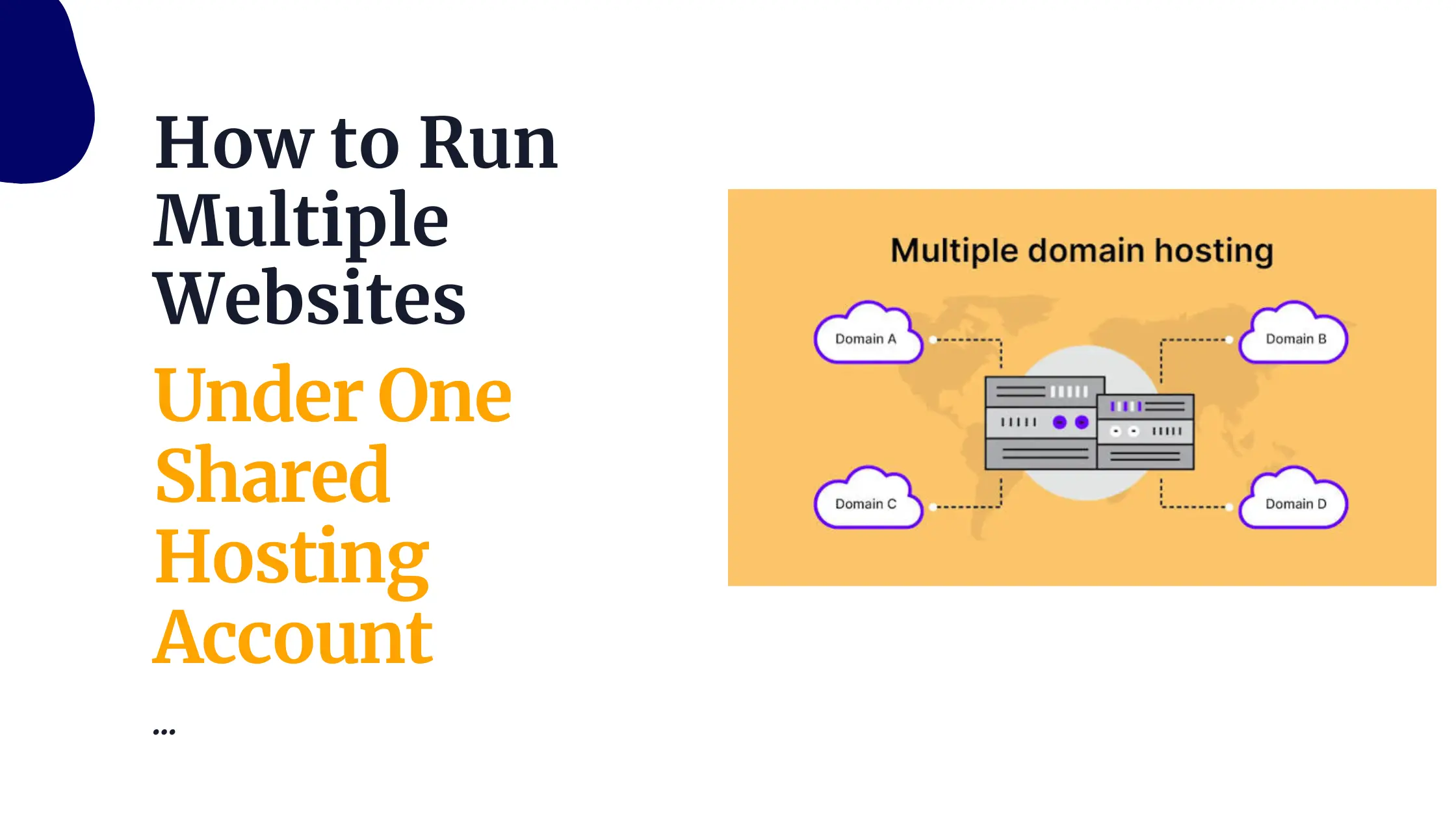
Some hosting plans limit how many websites you can run or which tools you can install.
If you plan to grow or manage multiple sites, confirm these details before you commit.
No hidden charges
Intro prices are often low, but renewals can jump. Check the real cost of domains, backups, emails, and future upgrades so you’re not surprised later.
When a web host checks these boxes, your site runs smoother, safer, and cheaper over time.
Step 4: Test the Hosting Provider Before You Commit
Specs on a website page are one thing. Real performance is another. Before you sign up, make sure the host can actually deliver what it promises.

Check uptime history
Don’t just trust the numbers they show. Use free tools like Pingdom or UptimeRobot to see how often their servers stay online.
A good host stays up at least 99.9% of the time. Downtime means lost visitors and lost sales.
Read honest reviews
Skip the marketing and look for real feedback. Search forums, blogs, or social media to see what actual users in Nigeria are saying.
Look for consistent reports about speed, reliability, and support.
Test their support
Send a simple question via chat or email. How fast do they respond? Are the answers clear?
A reliable web host should make it easy to get help when you need it, even at odd hours.
Check refund policies
Some hosting companies offer a 30-day money-back guarantee. Others don’t.
Make sure you understand what happens if the host doesn’t meet your expectations.
Watch for red flags
Be wary of “unlimited everything” promises without clear limits. Check the fine print on storage, bandwidth, and add-ons.
Transparency is important; hidden limits will cost you later.
Read also: Web Hosting for Small Businesses
Step 5: Make Sure Your Hosting Can Grow With You
Your website today might be small, but tomorrow it could be much bigger.

A host that fits now might struggle later, costing you downtime, stress, or extra money.
Look for a hosting provider that can scale easily as your business grows. Here’s what to check:
Flexible upgrades
Your host should let you move from shared hosting to VPS, cloud, or even a dedicated server without starting over. You shouldn’t have to rebuild your site just to handle more visitors.
Expandable resources
Make sure you can increase storage space, bandwidth, or processing power quickly. Growth shouldn’t slow your site or force you to switch plans unexpectedly.
Support for more features
As you add pages, products, or media, your hosting should still run smoothly. Some providers include tools like staging environments, performance boosters, or automatic backups to keep your site safe and fast while it grows.
Long-term partnership
A good host isn’t just for launch day. They stick with you as your traffic, content, and business complexity increase. You want a provider that grows alongside your ambitions.
Step 6: Know What You’re Responsible For

Even the best hosting provider won’t do everything for you. Some tasks will always fall on your shoulders, especially if you’re not on a fully managed plan.
Knowing your responsibilities keeps your site safe and running smoothly.
Account setup and billing
You’ll manage payments, renewals, and any add-ons like domains, emails, or premium features. Miss a payment, and your site can go offline.
Website files and updates
Unless your host fully manages your site, uploading, updating, and maintaining files is on you. This includes themes, plugins, or CMS updates.
Backups and restores
Some hosts do automatic backups, but not all. Know how to trigger a backup or restore your site if something goes wrong.
Security settings
You may need to activate SSL, firewalls, or two-factor login manually. Don’t assume everything is protected by default.
CMS and plugin updates
If you use WordPress or another CMS, keeping plugins and themes updated is your job. Falling behind can make your site slow or vulnerable.
Read also: Web Hosting for Startups in Nigeria
Step 7: Read the Fine Print Before Signing Up
You’ve found a hosting provider that looks good. Before hitting “buy,” pause and check the details.

These small things can save you from surprises later.
Renewal rates
The first-year price is often discounted. Make sure you know what you’ll pay when it renews. Some hosts triple the price after the promo ends.
Refund policies
Check if they offer a money-back guarantee and for how long. Know what’s refundable and what isn’t before committing.
Included features
Confirm what’s really included. Some hosts charge extra for SSL certificates, email accounts, or backups. Make sure you understand what comes standard.
Terms of service
Read the fine print on uptime guarantees, support limits, and cancellation rules. It may feel tedious, but it protects you from headaches.
Contract length
Avoid being locked into long-term deals unless it really benefits you. Some hosts offer monthly plans for more flexibility.
Step 8: Test the Host Before Fully Committing
Even after research, nothing beats real experience. Testing a host before fully committing can save you headaches and money.

Use a trial or money-back guarantee
Most hosts offer a 30-day refund window. Use it to set up your site and see how everything runs in real conditions.
Check performance during setup
Notice how fast the dashboard is, how quickly pages load, and how easy it is to upload content. Slow or clunky setups are red flags.
Reach out to support
Ask a simple question like how to install a payment plugin or set up email. Fast, clear, and helpful responses show you can rely on them when problems arise.
Explore features
Test the SSL setup, backups, server space, and other tools. Make sure the host delivers what they promised, not just what’s on the sales page.
Read also: 10 Ways to Secure Your Web Hosting (2026 Guide)
Step 9: Choose the Host That Feels Right

By now, you’ve done your homework. You know your website’s needs, explored hosting types, checked features, tested support, and read the fine print. Now it’s decision time.
Go with clarity
Pick a provider that’s transparent about pricing, features, and terms. Hidden fees or vague promises only lead to stress later.
Choose ease
Your hosting should make your life easier, not harder. Setup, daily management, and support should feel simple and intuitive.
Think long-term
A good host grows with you. Don’t just focus on launch day. Look for a partner who can support more traffic, more pages, and more tools as your business expands.
Pick Your Web Hosting Provider
Now it’s time to choose a web hosting service that fits your site, your budget, and your long-term goals.
The right hosting provider should keep your site fast, secure, and reliable, with fewer roadblocks along the way.
Here at Truehost, we make hosting simple for Nigerian businesses:
Customer Service
Our experts are available 24/7 to help you. Whatever questions you have, we’ve got answers just reach out.
Go Easy on Your Wallet
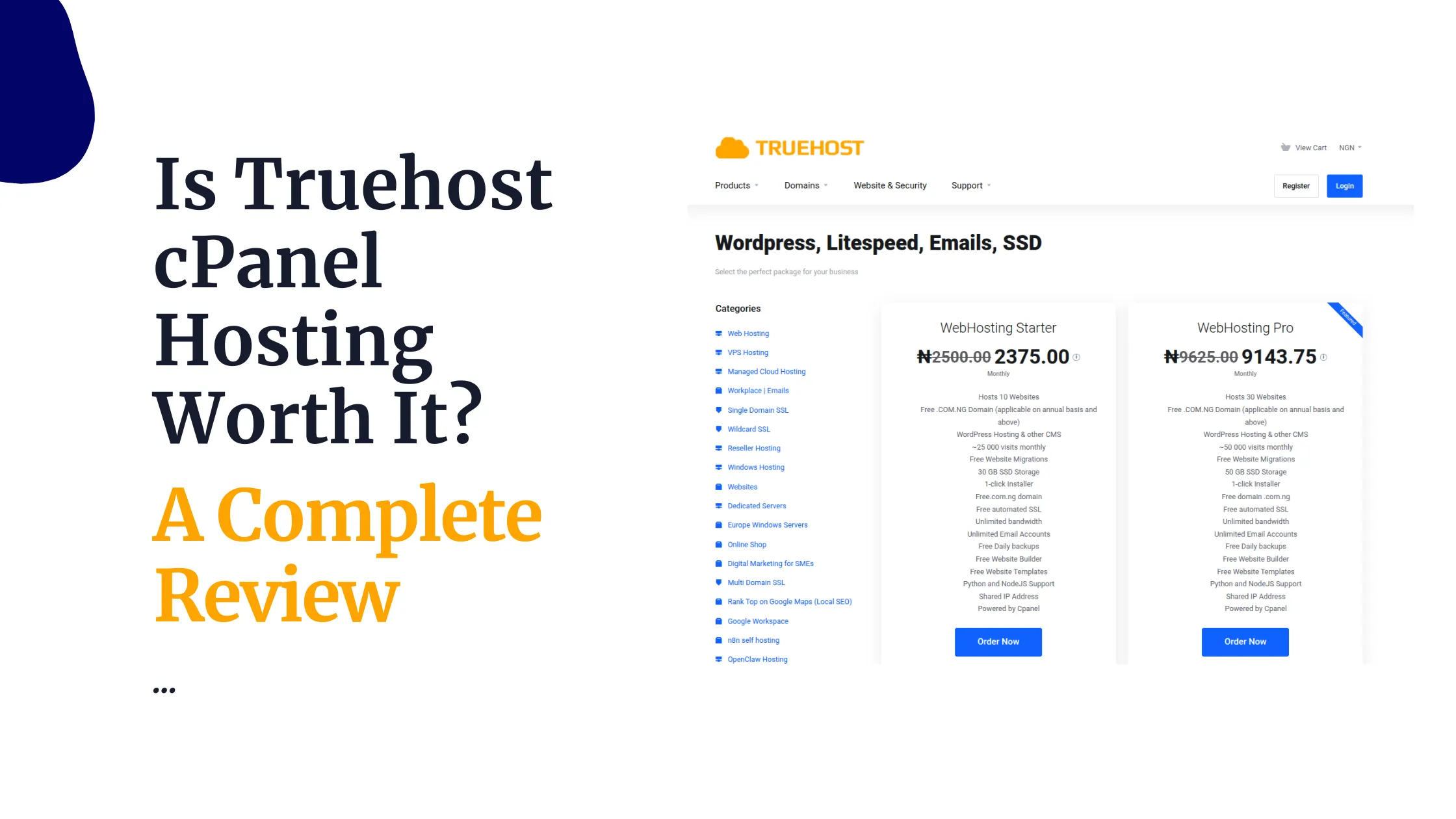
Hosting shouldn’t break the bank. Our packages start at just NGN500 per month, giving you quality service without overspending.
Privacy and Security
We take your privacy seriously. Truehost includes strong security measures to keep your site and data safe. We’re committed to keeping the internet open, free, and secure for everyone.
Reliable Hosting in Nigeria
Every minute your website is down, you could be losing business. Truehost guarantees 99.9% uptime, so your site stays live for customers when it matters most.
If you’re ready to take your website to the next level, explore our hosting plans and find the right fit for your site. Your online growth starts here.